
Near Savannah, Georgia, Is A Scenic Outdoor Refuge To Enjoy Wildlife, Fishing, And Trails
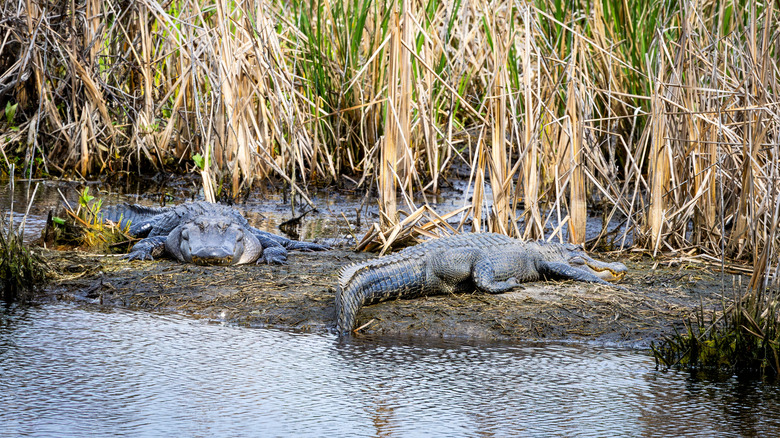
Spanning more than 30,000 acres across Georgia and South Carolina, the Savannah National Wildlife Refuge has been a haven for native and migratory species since 1927. Visitors come to hike and fish, while keeping an eye out for resident wildlife like alligators, raccoons, and herons. Straddling the Savannah River, the land here was once covered with flooded rice fields, providing the ideal foundation for a managed wetland habitat. Today, it's a large wildlife refuge in this lowland coastal region, with freshwater marshlands, ponds, hardwood forests, and raised dikes. Located just 10 miles north of Savannah, the refuge makes an easy day trip from the city.
One of the main ways to explore is the 4.5-mile Laurel Hill Wildlife Drive. This scenic road winds through wetlands and woodlands, where Spanish moss clings to oak trees, and ponds are filled with water lilies, giving an atmospheric vibe. As one Tripadvisor reviewer remarks, the route is "a peaceful, serene 4-mile driving loop through marsh and former rice plantation lands." It's a one-way road, but you can go around as many times as you like, stopping to watch alligators and other wildlife from the comfort of your car. The scenery changes with the seasons, and another Tripadvisor user recommends a stop at the visitor center to admire the "carpet of purple flowers" in spring.
If you're into wildlife, this is the place to come. More than 130 species of bird are found within the Savannah National Wildlife Refuge, per the official government page, but over 290 have been recorded throughout the years on eBird, making it a hit with birdwatchers. You'll find mammals and reptiles here too, with reviewers on Tripadvisor often reporting seeing plenty of gators and waterfowl.
Species to spot at the Savannah National Wildlife Refuge
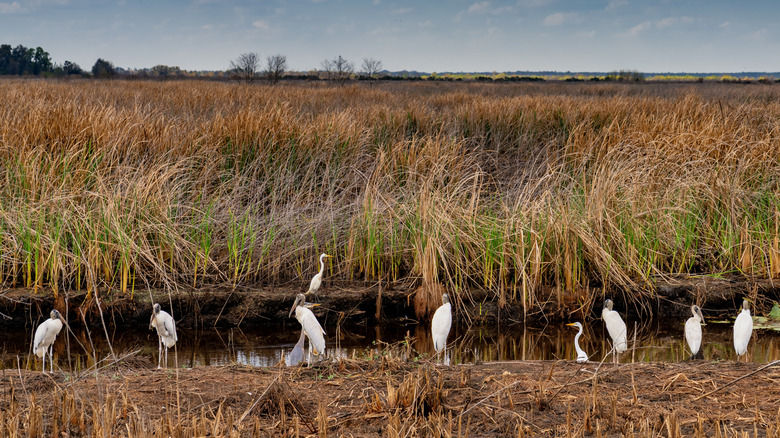
Fall through spring is a great time to visit, when thousands of migratory birds arrive at the refuge. During fall, you'll see migratory zebra longwing and monarch butterflies (Georgia is one of the best places to witness the great monarch butterfly migration), as well as waterfowl like northern shovelers and ringneck ducks. There's plenty to see year-round too, so don't worry if you miss these seasonal spectacles. Resident species like the wood stork, snowy egret, and great blue heron can be seen wading through the shallows throughout the year, while bald eagles and swallow-tailed kites often make nests here and soar overhead.
If you're keen to encounter reptiles, come during the spring and summer months. This is when alligators and turtles can be seen sunning themselves on the riverbanks or lazing in the warm shallow water. You can sometimes see them in winter on a sunny day, but it's best to visit in the afternoon when things have heated up a bit. Snakes are more prevalent during the warmer months, too, with cottonmouths and eastern diamondback rattlesnakes among the species found here. You may come across green tree frogs and southern leopard frogs, especially when it's wet, although you'll probably hear them rather than see them.
Savannah Wildlife Refuge is also home to a variety of mammals, including bobcats, river otters, armadillos, coyotes, and even the threatened manatee — plus, Georgia is one of the easiest places to see wild manatees. These creatures are more elusive than birds and reptiles, so spotting them is even more satisfying. If you're here at dawn or dusk, you might encounter nocturnal animals like armadillos or opossums.
Hiking and fishing at the Savannah National Wildlife Refuge
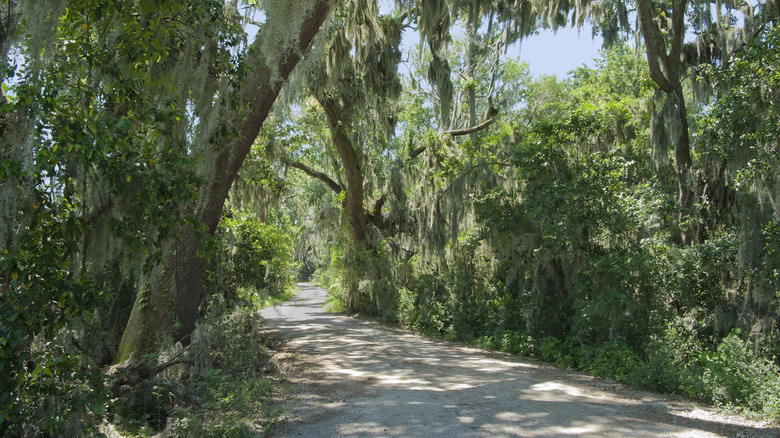
In addition to the Wildlife Drive, there's also an extensive trail network with routes of varying lengths through the wetlands and woodlands, sometimes using the raised dirt dikes for elevation along the canals. Hiking here is a fun way to encounter wildlife up close. The refuge trails and drive are free to visit and open daily during daylight hours. You can pick up a trail map from the visitor center between 10 a.m. and 2 p.m. on weekdays.
For a moderately easy stroll, the northern Kingfisher Loop is just under a mile, circling the Kingfisher Pond, which is known for its woodland songbirds. Look out for purple gallinules hopping across the lily pads. Meanwhile, the 1.8-mile Plantation Island Trail in the south of the refuge is an easy stroll with pretty wildflowers and an island of trees, while previous hikers note the abundance of alligators. For a longer hike, the Little Back River Trail is a 3.8- to 5.5-mile loop passing canals, marshlands, and rivers, with one AllTrails user raving that it "makes you feel like you're in your own world surrounded by nature!"
Fishing is another way to enjoy Savannah National Wildlife Refuge, as the tidal wetlands provide breeding pools for both freshwater and saltwater species, like shortnose sturgeon, catfish, largemouth bass, bluegill, and sunfish. On Kingfisher Pond, fishing is permitted throughout the year for boats or from the riverbanks. At the other ponds or canals, you can fish from March to November. You'll need a fishing license from either Georgia or South Carolina, depending on which section of the refuge you want to fish in. For more tidal marsh adventures, the nearby Wassaw National Wildlife Refuge features fishing, trails, and beautiful beaches.