
Between Liverpool And Manchester Is An Ex-Mining Town With Idyllic Nature Retreats And Historic Charm
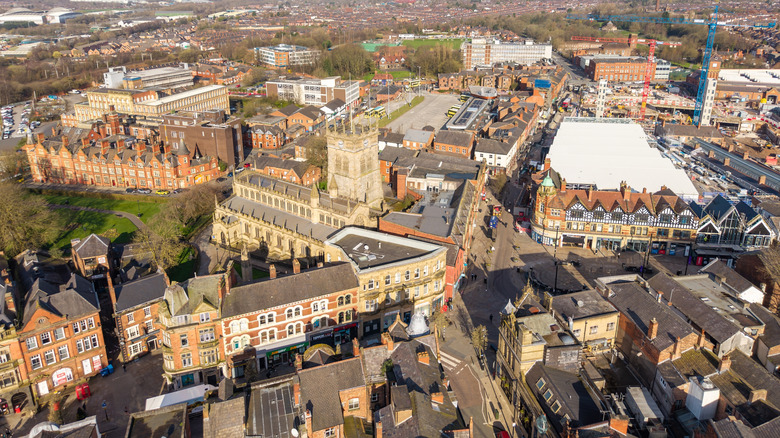
Sitting roughly midway between Liverpool and Manchester, Wigan is perhaps best known locally for its rugby team, the Wigan Warriors, its musical heritage as the epicenter of England's Northern Soul movement during the 1970s, and its iconic red-bricked industrial heritage. Walk through the town today, and you'll find reminders of that heritage at every turn: from coal mines and textile mills to the canals that powered the Industrial Revolution and left behind landmarks such as Wigan Pier and the imposing Trencherfield Mill, home to one of Britain's best-preserved steam engines.
Dig a little deeper, however, and you'll find a lovely collection of nature reserves, parks, and woodlands, together creating a fascinating blend of working-class industrial heritage and outdoor recreation that gives Wigan a character unlike other towns in northwest England. Visitors can effortlessly explore canal-side industrial landmarks before heading into centuries-old parkland, bird-filled wetlands, or the woodland trails at Woodlands of Haigh, home to deer and woodpeckers.
Wigan's industrial past and pleasant green landscapes make it a destination that rewards a little curiosity and exploration beyond its charming old center, whether you're following the intrigues of its history or heading into the countryside. It's also straightforward to reach: Direct trains connect Wigan with both Liverpool in around 40 minutes and Manchester in approximately 45 minutes.
Wigan's industrial heritage
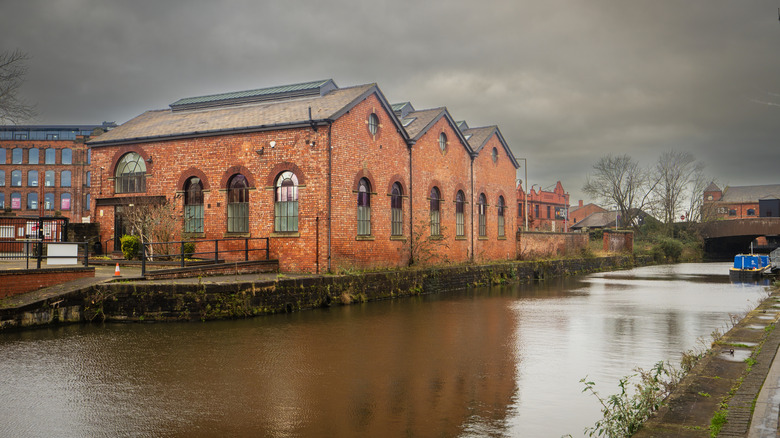
When exploring Wigan, of particular note is Wigan Pier, a bit of an anomaly in that it isn't a pier at all — Wigan isn't even by the sea — but instead a canal-side ex-coal loading wharf, languorous waterside walk, and distinctive collection of industrial buildings that became internationally famous after George Orwell's "The Road to Wigan Pier." The area is built up around the picturesque Leeds and Liverpool Canal, preserving atmospheric warehouses, canal infrastructure, and historic buildings that recall the era when barges transported coal and textiles across England by water.
Just across the canal stands Trencherfield Mill, a striking red-brick cotton mill completed in 1907, not too dissimilar to the old industrial architecture found in Manchester, one of the U.K.'s most underrated cities. Its restored steam engine, one of the largest working mill engines in Britain, offers a stuck-in-time glimpse at the raw machinery that once powered Wigan's textile industry. While the mill is temporarily closed for repairs as of writing, the engine room remains operational as a creative arts venue hosting theater, comedy, and music events in a striking industrial setting.
Beyond the industrial charm, Wigan's compact town center features Victorian civic buildings, traditional shopping arcades, and the Museum of Wigan Life. The museum is worth a visit if only to see the stunning 19th-century red brick building, but there's also a fascinating Roman Wigan exhibition as well as sections detailing the town's mining and manufacturing heritage.
These former mining landscapes are now Wigan's best outdoor escapes

Built in the early-to-mid 19th century for the Earl of Balcarres, Haigh Woodland Park and Haigh estate combine historic parkland with miles of beautiful woodland trails and gardens, as well as a collection of cafés, pubs, and farm shops. Much of the surrounding woodland dates to the 1860s, when plantations were created to hide the scars of coal mining, and the work was carried out largely by unemployed local mill workers, making it as much a relief scheme for out-of-work textile workers as an attractive piece of landscaping.
Farther south, Pennington Flash Country Park offers an entirely different environment to explore. Wrapped in lush countryside and wetland habitats, the large lake was created by mining subsidence before gradually morphing into one of the region's richest wetlands. Today it's a popular destination for walking, birdwatching, sailing, and spotting migratory waterfowl.
Connecting many of these sights is the 127-mile-long Leeds and Liverpool Canal. The canal runs west from Leeds towards Liverpool, passing through charming villages and delightful market towns such as Skipton in North Yorkshire. In Wigan, it links Wigan Pier with Haigh Woodland Park and Pennington Flash, allowing visitors to experience Wigan's industrial history and natural landscapes by a canal boat journey (a popular option for exploring in rural England) or a hike along its towpath. To deepen your understanding of northern England's industrial heritage, follow the canal northeast to Leeds, before taking the 15-minute train journey to the charming ex-mining city of Wakefield.