
Florida's Secluded Panhandle Gem Is A Peaceful Island Refuge With Unique Wildlife, Fishing, And Boating
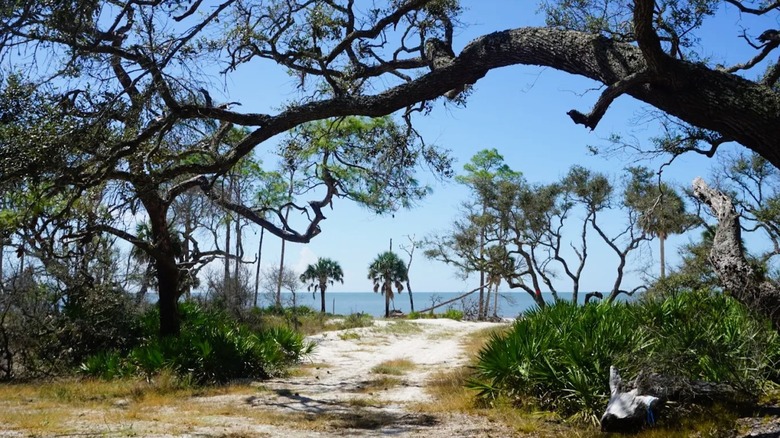
When it comes to Florida's Emerald Coast, Panama City and Destin are the hotspots for many vacationers. In warm months, the coast is filled with beachgoers, colorful umbrellas, and fishing charters. That leaves lesser-known towns like Apalachicola, located along Florida's "Forgotten Coast," in the shadows. Notably, this quieter section of the Gulf is home to St. Vincent National Wildlife Refuge. At this secluded preserve, migratory birds frolic on empty beaches, anglers fish in open waters, and boats cruise across the Apalachicola Bay. Its untouched beaches and wetlands are a reminder of "Old Florida" before beachfront condos, hotels, and restaurants took hold. A Google reviewer called the island "beautiful and wild."
St. Vincent National Wildlife Refuge is broken up into two mainland preserves and two islands, spread across approximately 12,500 acres. The main unit is found on St. Vincent Island. Visitors can only reach the barrier island by boat, typically from the Indian Pass boat ramp. The refuge offers various recreational activities such as fishing, hunting, hiking, paddling, and boating. However, its main purpose is to provide a thriving ecosystem for local wildlife, migratory birds, and endangered animals. Unsurprisingly, the preserve attracts nature lovers, photographers, and wildlife enthusiasts alike.
For visitors seeking a place to escape the crowds found at Gulf beaches, this Florida refuge could provide an experience that feels miles away from the commercial spots. And anyone taking the scenic drive along 30A can break up their trip here, since the island's closest access point is sandwiched between Tallahassee and Panama City Beach.
Explore the waterways at St. Vincent National Wildlife Refuge
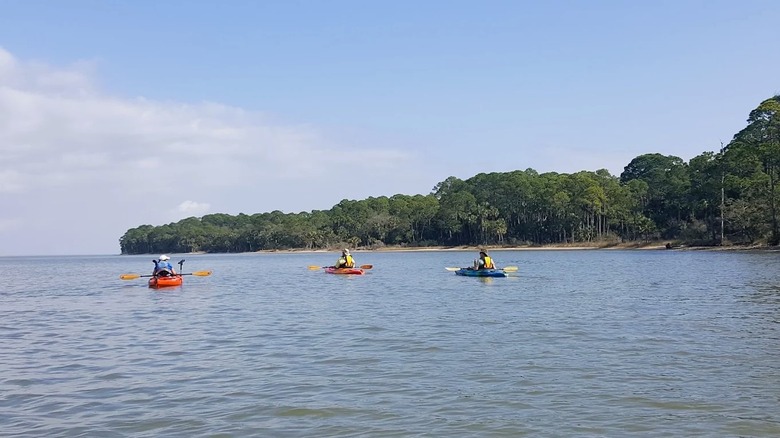
If you've been to St. Marks National Wildlife Refuge, a Florida birdwatching haven with fishing spots and scenic trails, then expect a similar experience at St. Vincent National Wildlife Refuge. Although it will take some extra effort and planning to get here, it's a chance to visit what a Google reviewer called "One of the most unique places in Florida." If you plan to take the quarter-mile ride across the bay on your own boat, be sure to check the weather. High winds and currents can create difficulty for you.
Travelers without a watercraft may use the St. Vincent Island Shuttle, whose guide will provide services around your itinerary. Moreover, if you want to fish the open waters, you can use the same charter to handle all the logistics, including bait and a license. Visitors can reel in fresh or saltwater fish at St. Vincent. From May 15 to September 30, cast a line at one of the six freshwater lakes and ponds to catch largemouth bass, sunfish, and catfish. Folks can bank fish all year long, so beginners should feel free to bring a license and rod.
The waters around Apalachicola Bay and the Gulf could reward you with catches like trout, flounder, sheephead, Spanish mackerel, whiting, pompano, and sharks, among other species. And if you use a charter, the guides will know good fishing spots. As a bonus, the open water setting makes it possible to swim along with the dolphins as you paddle or cruise the bay. Additionally, a kayak or boat would afford easy access to 9 miles of secluded shorelines, with opportunities to see more wildlife and collect shells along empty beaches.
Spot rare wildlife at St. Vincent Wildlife Refuge
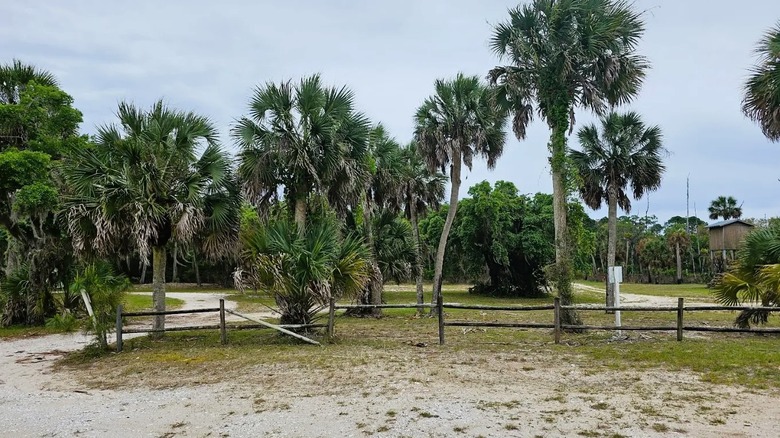
Unlike its neighbor, St. George Island State Park, a Gulf Coast gem known for its white-sand beaches and camping, St. Vincent Island has no facilities and less developed trails. With that in mind, be sure to bring everything you need, including lots of water and snacks, and don't forget your bug spray (you'll need it). Since the barrier island is only accessible by boat or kayak, the animals will likely be your only company when you visit – a highlight for many who prefer solitude.
The refuge is home to the endangered red wolf, and loggerhead turtles nest there. Visitors have spotted gators swimming around the wetlands. You may also find the place populated by white-tailed deer, raccoons, feral dogs, gopher tortoises, and snakes. Hunters can score one of the 200 lottery spots. Those who do will have a chance to hunt the sambar deer, a large 300-pound exotic animal from Southeast Asia that's considered a prized target.
Sitting along the Great Florida Birding and Wildlife Trail, the refuge has some of the best opportunities to glimpse almost 300 species of migratory songbirds and shorebirds. Some of the sightings include seaside sparrows, peregrine falcons, warblers, and buntings. And you may spot nesting snowy plovers and bald eagles. Needless to say, don't leave your binoculars at home when you visit. When you're ready to go beyond the refuge, check out the beaches and vintage shops in the trendy town of Apalachicola. This forgotten Florida town might just win you over with its friendly people and maritime charm.