
7 Once-Thriving North Carolina Towns That Transformed Into Abandoned Beauties
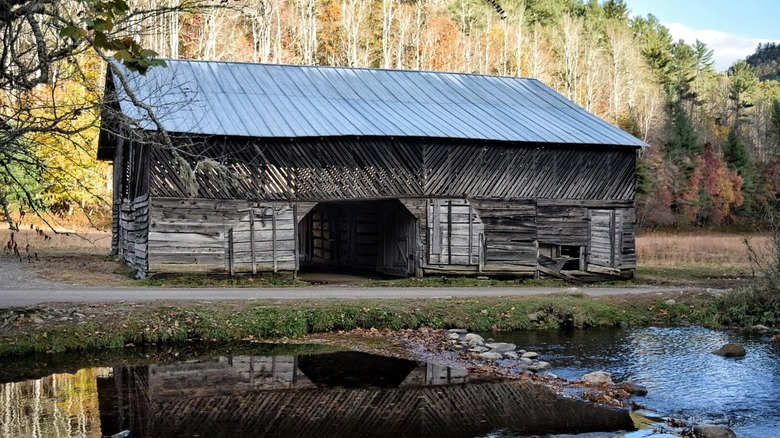
A majestic national park, large expanses of sandy beaches, a scenic mountain parkway, and cities rooted in culture, history, and entertainment — North Carolina has its fair share of sights to write home about. Yet the Tar Heel State's beauty also shines bright in its most abandoned and forgotten places.
Lying between the Atlantic coast and Appalachian Mountains in the American Southeast, North Carolina's geography and economic circumstances greatly contributed to the eventual abandonment of these communities. Some were hit by natural disasters, while others bore the brunt of war, ravaged and never restored. Other towns declined as their once-thriving industries disappeared.
Today, these abandoned towns show the effects of their decline in different ways. Ranging from crumbling ruins to preserved landmarks, they attract their share of curious visitors, history buffs, and ghost town enthusiasts. They may not be as polished as North Carolina's more famous offerings, but these abandoned beauties make a case for finding meaning in emptiness. Here are seven that should be on your radar.
Henry River Mill Village
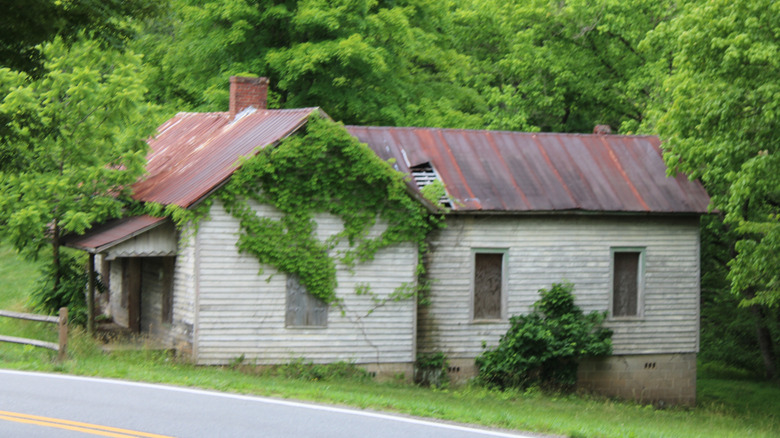
It's immortalized in pop culture as The Hunger Games' District 12, but Henry River Mill Village is an unusually intact example of a formerly thriving company village. The settlement's cotton manufacturing industry didn't just prosper economically; it bloomed into a close-knit community from its beginnings in 1905 until its closure in the 1970s. Unlike many abandoned settlements, Henry River Mill Village is open to the public — there are guided tours and even overnight stays in its restored mill houses. The site is a little over an hour's drive from Charlotte and Asheville.
Cataloochee
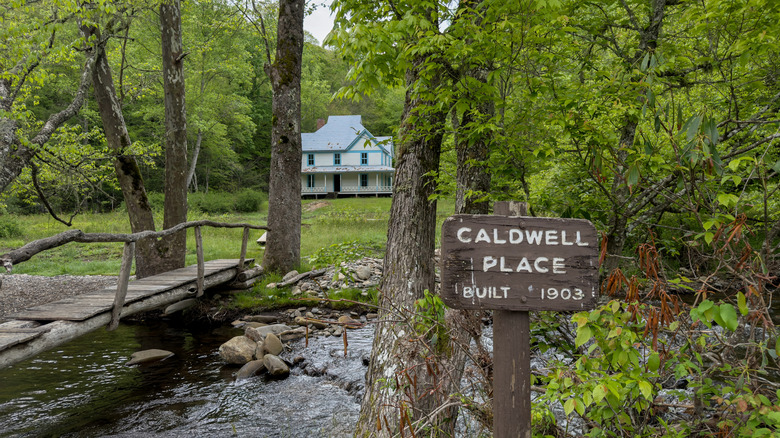
America's most visited national park, Great Smoky Mountains National Park is packed full of postcard-perfect mountain ranges and renowned hiking trails. But its Cataloochee Valley was home to a thriving community of settlers dating back to the early 1800s. Today, several historic buildings remain, including an old school, a chapel, and a handful of frame houses, largely abandoned when plans for Cataloochee being absorbed into the national park were revealed in 1928. Descendants of former Cataloochee inhabitants still gather here every summer, but you are more likely to meet one of Cataloochee's permanent residents: the free-roaming elk that call it home.
Portsmouth Village
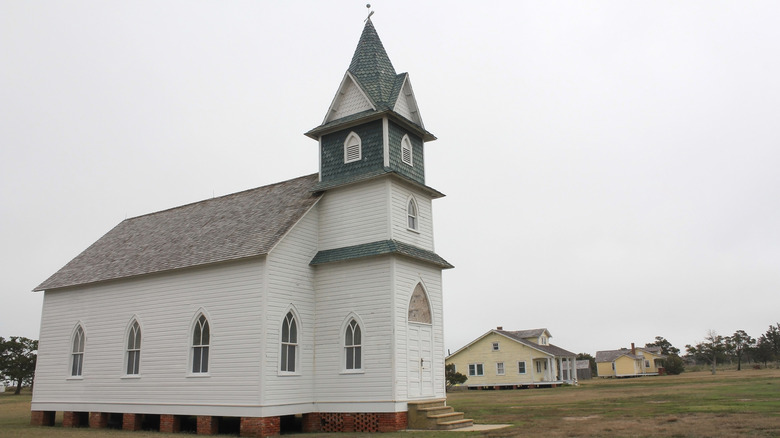
A once-bustling island village-turned-ghost town with a pristine beach, Portsmouth was an 18th-century coastal hub known for lightering — loading cargo from bigger boats to smaller ones that could access the shallow channels toward the mainland. Hurricanes and the arrival of new railroads displaced Portsmouth's economic advantage in shipping, leaving it without permanent residents by 1971. Boat and ferry services take tourists to the island, where you can explore its surviving historic structures, including a school, a post office, a general store, and a visitor center hosting exhibits on the island's history.
Brunswick Town/Fort Anderson
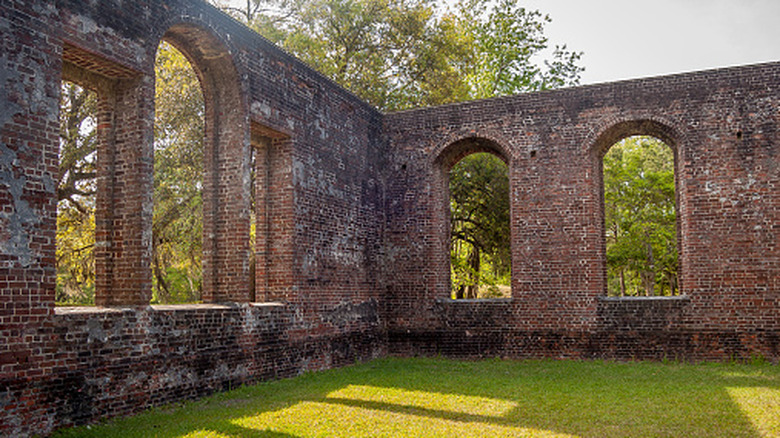
Nestled along the Cape Fear River, Brunswick Town has a history shaped by two wars. It was first razed by the British during the Revolutionary War, then the fort built on top of the remains was left in ruins during the Civil War. Visiting the site today showcases its historic Revolutionary and Civil War past through exhibitions and artifacts in the Visitors Center. Ruins of the mid-18th-century St. Philip's Church, structural foundations of former homes, and earthworks of the fort can still be seen today, earning it a North Carolina Historic Site classification.
Cape Lookout Village
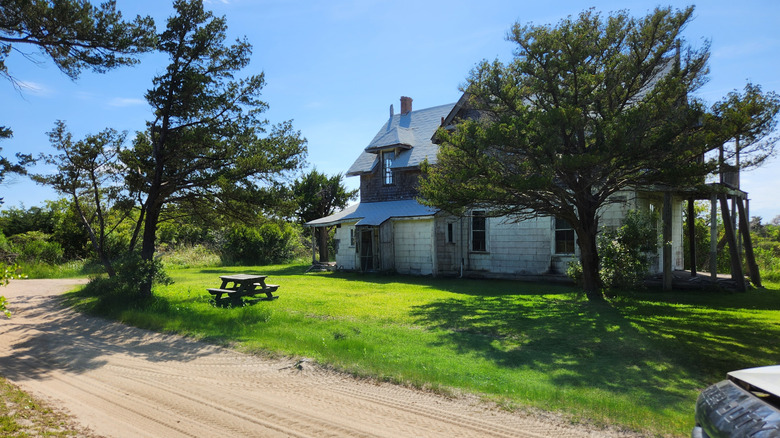
Located on South Core Banks in Carteret County, Cape Lookout Village was home to a small community in the early 20th century, with a Coast Guard Station, a Cape Lookout Life-Saving Station, a boathouse, a lighthouse keeper's residence, and a handful of homes that still stand today. But the rise of motor boats prompted families to slowly move away from the isolated island. Within a couple of years, the village was practically abandoned. Today, it is part of the Cape Lookout National Seashore, accessed by ferry via Harkers Island or Beaufort, followed by a shuttle or a hike along the beach.
Lost Cove
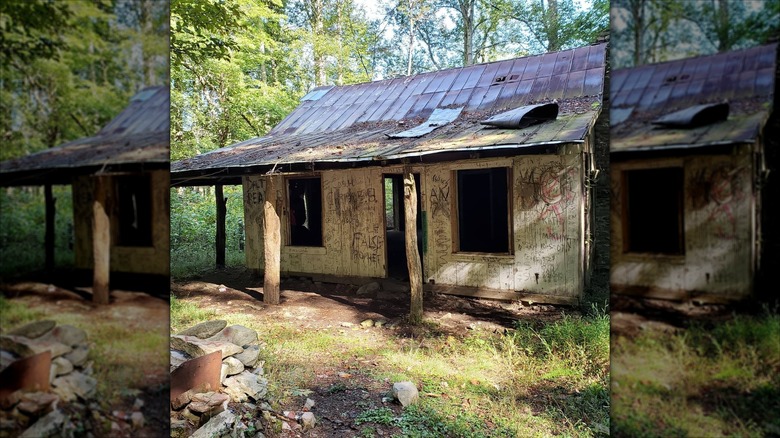
It's hard to believe that the abandoned Lost Cove once housed an early 20th-century community of loggers, farmers, and moonshiners. But its isolated geography, dwindling resources, and lack of basic necessities like electricity eventually caught up with residents, and the town emptied out entirely by the 1950s. The hike to get here is challenging, a steep, difficult downhill trail along Flattop Mountain in Pisgah National Forest. The trek rewards abandoned-spot enthusiasts with relics including crumbling homes, a rusted pick-up truck, and moss-covered chapel steps.
Mortimer
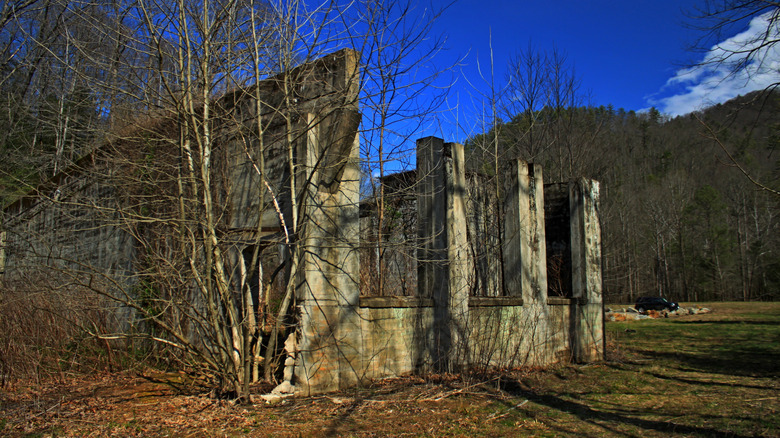
Another historic ghost town tucked into Pisgah National Forest is Mortimer, a logging town established in 1904 that later added a short-lived cotton mill. In its heyday, the town had enough infrastructure to reportedly draw a visit from Teddy Roosevelt (according to Appalachian History), and Mortimer boasted a church, a store, a school, homes, and even a hotel. Its downfall was a series of natural disasters: a fire and flood in 1916, and a second hurricane-prompted flood of Wilson Creek in 1940, leaving Mortimer a ghost of its former self. Crumbling facades of its former mills and buildings still stand.