
Two Hours From Spokane Is A Serene Idaho Forest With Camping, Trails, And Wildlife
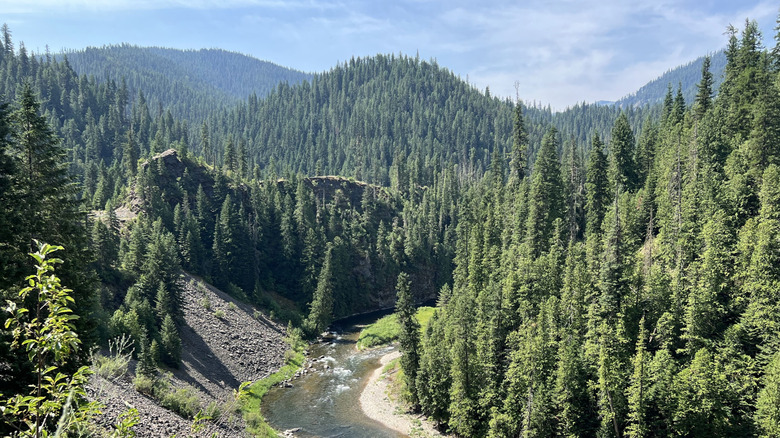
St. Joe National Forest is more than a serene Northern Idaho escape into nature. It's a forest surrounded by forests, with an untamed river cutting through it. It's part of a trifecta collectively known as the Idaho Panhandle National Forests. Named after the St. Joe River, the highest navigable river in the world, the forest reaches elevations of nearly 7,700 feet at the "Top of the Joe."
A place this remote must be hard to reach, right? Again, the St. Joe River Region breaks the mold. The forest is tucked south of the interstate, between the Montana border and the neighboring Nez Perce-Clearwater National Forest. There are two main ways to get there. First, St. Maries, Idaho, less than 90 minutes from Spokane, provides access to the river, trails, and campsites. Another option is to take I-90 from Spokane to St. Regis, Montana, about two hours away. No matter which entry point you choose, the St. Joe River Scenic Byway runs nearly 90 miles along the river between the two communities.
The St. Joe River flows down from the Bitterroot Mountains just below Illinois Peak near the Montana border before eventually flowing into Lake Coeur d'Alene. A total of 66.3 miles of the St. Joe River have been designated as Wild and Scenic, stretching from St. Joe Lake to Avery. The scenery, wildlife watching, and wealth of outdoor recreation here were just a handful of the reasons the river received the distinction. Today, St. Joe National Forest's trails lead hikers over the water, into tunnels, and through some of the region's most remote landscapes.
Camp near the St. Joe River
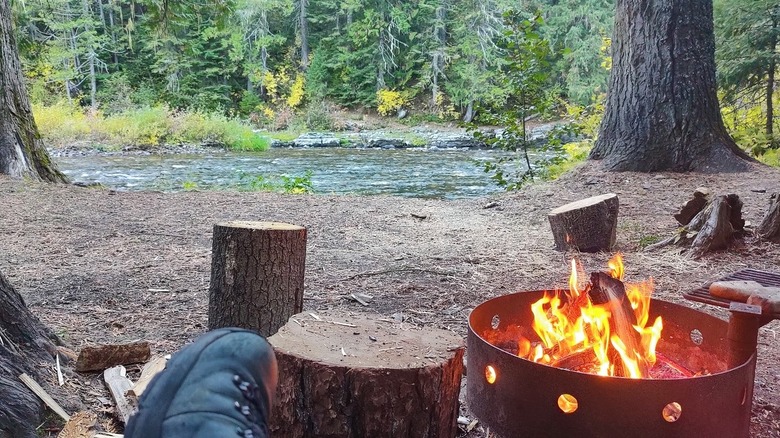
Travelers looking to spend a night under the stars can choose from the campsites and cabins around St. Joe National Forest, which are scattered along the river. The closest to St. Maries is the Shadowy St. Joe Campground. From there, accommodations largely follow the river as the surroundings become increasingly remote.
The Spruce Tree Campground, which has nine sites, sits in a secluded setting near the beginning of the St. Joe River's designated wild section. "Very quiet, remote campground at the end of the road," wrote one previous traveler. The St. Joe River Trail #48 also starts here, heading into the lush "upper Joe" and running 21 miles to Heller Creek. Trail #49 then continues toward the "Top of the Joe," with dispersed camping around St. Joe Lake — a scenic place to fish for trout and watch for wildlife. "Lake is full of cutthroat trout, and there is a pair of bald eagles that were very active," said one angler.
Prefer a cabin? Options range from the Arid Peak Lookout tower to the popular Red Ives Cabin. "It took us four attempts to reserve this cabin, and after visiting it's very understandable why," one review notes, adding, "One of the best 'camping' experiences ever!" Book your preferred accommodation through Recreation.gov and pay special attention to minimum stay requirements and booking timelines. Those who want to stay a little closer to the interstate might consider Moon Pass Lookouts, secluded luxury with breathtaking forest views, just outside of Wallace.
Explore St. Joe National Forest's scenic trails
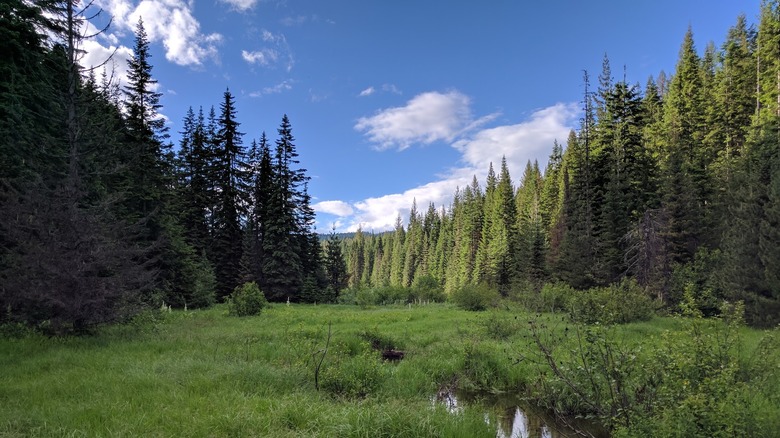
While much of the focus in the St. Joe National Forest is understandably on the river, several trails also climb into mountains and follow historic routes. Among these is the Route of the Hiawatha, one of America's most scenic stretches of railroad open to biking and hiking. The rail trail spans 15 miles over seven bridges and through 10 tunnels, with fascinating interpretive signs throughout.
Deeper into the forest, trails branch out for hikers, ATV riders, and equestrians. For an easy hike that doubles as a forest bathing experience, follow the Hobo Cedar Grove Trail. This gentle path winds through 240 acres with towering red cedars and an abundance of lady ferns. For a more challenging route, try the Allen Ridge Trail #17 to ascend switchbacks up to the viewpoint — keep an eye out for unique ferns and orchids along the way. For help navigating the numerous trails, turn to the National Forests and Grasslands app.
For anglers and wildlife watchers, St. Joe has plenty to offer. Fishing enthusiasts often come for the trout, which are abundant and easy to spot in the clear waters. The prime fishing season stretches from summer into early fall. One angler who has been coming here for almost 50 years boasts, "Clear cool water [makes] this a must for [a] fly fisherman. Smell the great outdoors and come on up!" Wildlife watchers may also find moose cooling off by the water, bears foraging for huckleberries, or eagles soaring above. Previous visitors have also reported seeing squirrels, elk, and bobcats. Remember to give wildlife plenty of space, carry bear spray, and don't feed the animals. Before your visit, it's also a good idea to brush up on what to do if you see a bear while hiking.