
The World's Best Destination For Gen Z Is A Vibrant City With Walkable Neighborhoods And Tasty Restaurants
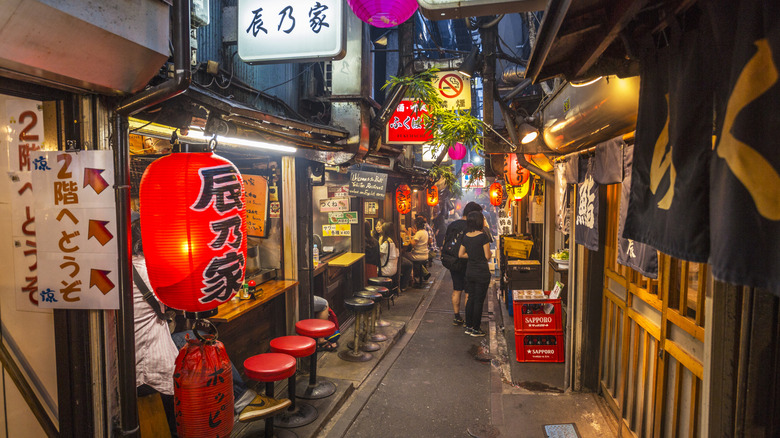
What makes a good city for a Gen Z traveler? While it would be a mistake to think of each generation as monolithic, research from Skyscanner suggests that today's 14- to 29-year-olds appreciate value for money and prioritize experiences that boost their mental health when traveling. They also seek out culinary hotspots, are more environmentally and nature conscious, and find inspiration in Instagrammable destinations discovered on their smartphones. While these factors don't point to any one particular place, it turns out that the world's best destination for Gen Z travelers is an Asian megacity that's proving irresistible to people of all ages: Tokyo, Japan.
According to Time Out, which surveys thousands of people each year to uncover the world's best cities, Tokyo is the No. 1 city worldwide for urbanites under the age of 30. Time Out found that 100% of Gen Zers surveyed appreciated the joy of Tokyo's everyday experiences. Other factors in the "pro" column included vibrant nightlife, efficient public transport, and access to art and culture. With its rain-slicked alleyways and pullulating main streets, Tokyo is undeniably photogenic, making it a surefire hit on social media. Plus, it was ranked the world's best city for a workation in 2025, which no doubt appeals to a workation-hungry generation.
Tokyo also has a level of walkability that belies its sheer size. With river promenades, palace moats, old-world shopping arcades, and feudal-era gardens, it's a joy to experience on foot. And the city is ideal for foodies. It has more than 150 restaurants with at least one Michelin star and hundreds more with Bib Gourmands or individual recommendations on the Michelin guide. There are more cool culinary experiences available, too, like attending a cooking class, visiting one of Tokyo's fish markets, or shopping for knives on Kappabashi Street.
Tokyo's walkable neighborhoods
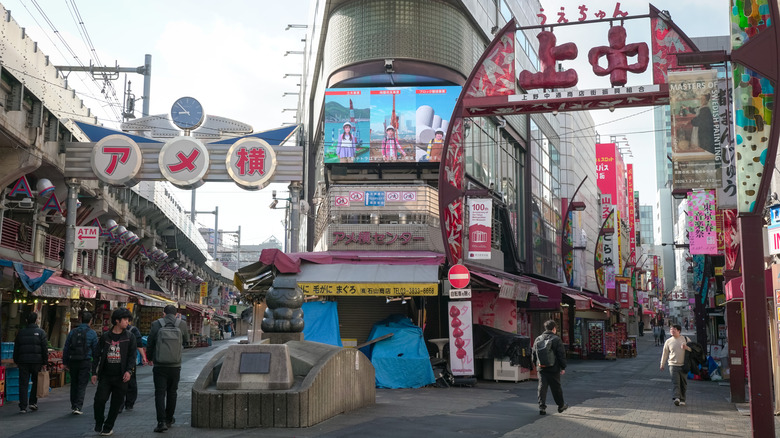
Tokyo is composed of 23 wards that the Japanese often refer to as "cities." Yet if you include the surrounding prefectures as well — what's known as Greater Tokyo — you have an almost unfathomable urban sprawl, full of busy thoroughfares, twisted backstreets, and towering residential complexes in which 33 million people reside. So while Tokyo is walkable, you must plot your walking itineraries sensibly.
Divide Tokyo into east and west, using the Imperial Palace and its gardens as your rough central point, then focus on neighborhoods on one side of the city. The route from Kanda Station to Ameyoko, for example, is about 1 mile long but travels through Akihabara, Tokyo's "Electric Town." The beating heart of the Japanese pop culture juggernaut, it's home to multi-story arcades, manga and anime figurine stores, trading card emporiums, and second-hand shops selling retro video games and consoles — a vital destination amid the boom in Gen Z anime tourism. You'll finish up in Ueno's Ameyoko, a market that's the closest thing in Tokyo to a South Asian bazaar. In this itinerary, you could also include nearby Jimbocho, an area of old bookshops voted the world's coolest neighborhood in 2025 by Time Out.
In west Tokyo, Shimokitazawa is another cool, walkable neighborhood that's popular with travelers under 30. With vintage fashion shops, record stores, indie bars, and a tradition of counterculturalism, it's a haunt for hipsters and bohos — and a great place to get lost in the backstreets. Then walk to Shibuya (2.5 miles away), a vibrant entertainment district home to the world's most famous pedestrian crossing. The walk is particularly charming in spring, when cherry blossoms bloom along the Kitazawa River Greenway. Increase your step count by walking onwards to Shinjuku (another couple of miles), passing through fashion districts Omotesando and Harajuku, and the sacred Meiji Jingu forest, where you'll get a glimpse of Japanese nature.
Finding tasty food in Tokyo
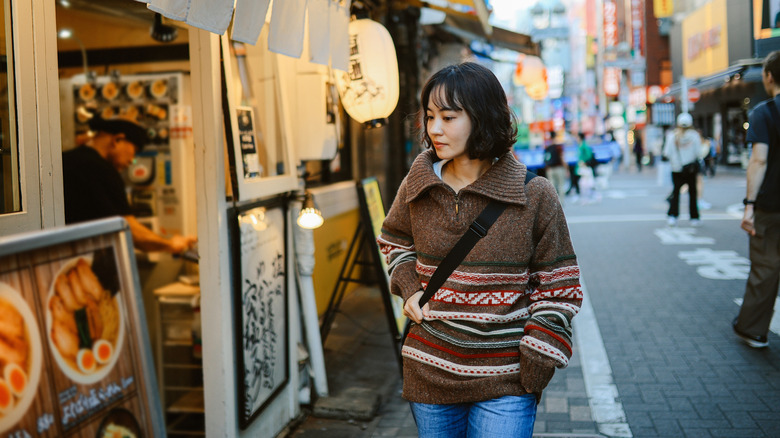
If Gen Z is a generation of foodies, then Tokyo is a prime destination. There's overwhelming choice, with 160,000 or perhaps 200,000 restaurants, depending on which estimate you prefer. Yokocho (alleyways) are good places to start exploring the culinary scene. These atmospheric streets, lined with paper lanterns and fluttering door curtains, host a who's who of Japanese food. Expect yakitori (grilled chicken skewers), okonomiyaki (savory pancakes), deep-fried vegetables and meats known as "kushikatsu," and izakaya (pub-diners) serving plates of finger food. Harmonica Yokocho in Kichijoji, Nomiya Yokocho in Kitasenju, and the streets around Shimokitazawa and Asakusa stations are good places to start indulging.
Tsukiji, a huge market sometimes called Japan's "food town," also merits a visit. Sushi restaurants; stalls selling fresh fish; and hole-in-the-walls serving succulent slices of fatty tuna, rolled omelettes, or scallops blowtorched with butter in their shells — it's all worth braving the tourist crowds for. The abundance of Michelin-starred restaurants should excite foodies, too. Such establishments rarely lend themselves to budget-conscious Gen Z travelers, but some of Tokyo's best restaurants remain affordable by Michelin standards — thanks to a weak yen that has increased tourists' purchasing power. At farm-to-plate restaurant Nol or kaiseki restaurant Yakumo Uezu, for example, you can get Michelin-starred food for around $150 or less.
Additionally, cheap restaurants serving ramen and other Japanese soul foods have had their Michelin stars replaced by Bib Gourmands, indicating a change in Michelin's designation policy rather than a decrease in the quality of food, in some cases. Ginza Hachigo, a ramen shop known for its complex, umami-rich soup, falls into this category. For around $10, you'll get springy noodles in a hot broth that has earned "very good" ratings on Japanese review site Tabelog. And you can always save money in Tokyo with cheap lunches: Affordable, tasty meals are available at Japan's convenience stores.