
Asia's Best City To Visit In 2026 Isn't Tokyo Or Bangkok
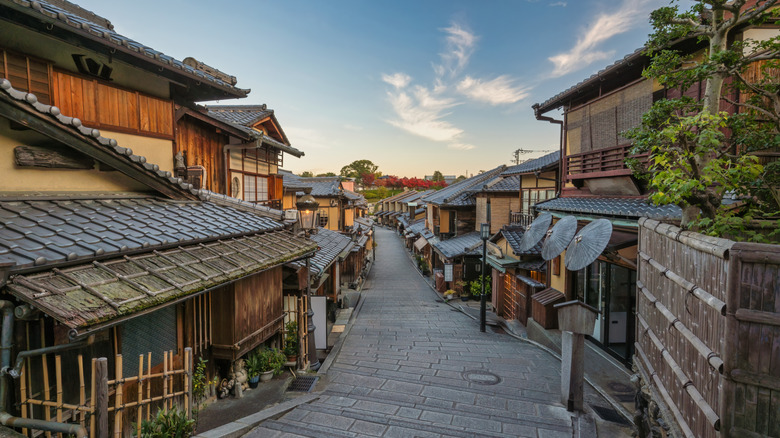
I visited Kyoto many times during the years I lived in Japan, but it took me a while to understand what all the fuss was about. At first I thought it was touristy and pretentious, and I was dispirited to see how many beautiful old buildings had been razed and replaced with concrete and steel. But I'm happy to admit I was a little hasty in my summation of Japan's ancient capital. And when it was named Travel + Leisure's best city in Asia — and second worldwide — to visit in its World's Best Awards for 2026, I thought it was more than worthy of the accolade.
Often it's frenetic Asian megacities like Tokyo and Bangkok that take the spoils in such awards, so it's nice to see Kyoto come out on top. Kyoto was founded in A.D. 794, under the name Heian-kyō, and it remained the capital until the imperial household was moved to Tokyo in 1868. Kyoto is still considered Japan's cultural heartland, and it's the traditional trappings of the city that Travel + Leisure noted in their reasons to visit: the "ryokan" (inns), centuries-old Nishiki Market, solemn Buddhist temples, and serene and silent bamboo groves.
While history is a good reason to visit Kyoto — 17 historic sites have been given UNESCO World Heritage Status — it would be a mistake to think of the city only in terms of its ancient intrigue. It hosts some excellent modern museums, including the world's only Nintendo Museum, the Kyoto International Manga Museum, and teamLab Biovortex. Kyoto is also experiencing a craft beer boom, innovative dining haunts are offering alternatives to traditional kaiseki and ryotei restaurants, and new buyers are renovating old town houses, thereby preserving the city's architectural tradition. Despite struggles with overtourism in recent years, 2026 might be the best year to visit Kyoto yet.
The best of ancient Kyoto
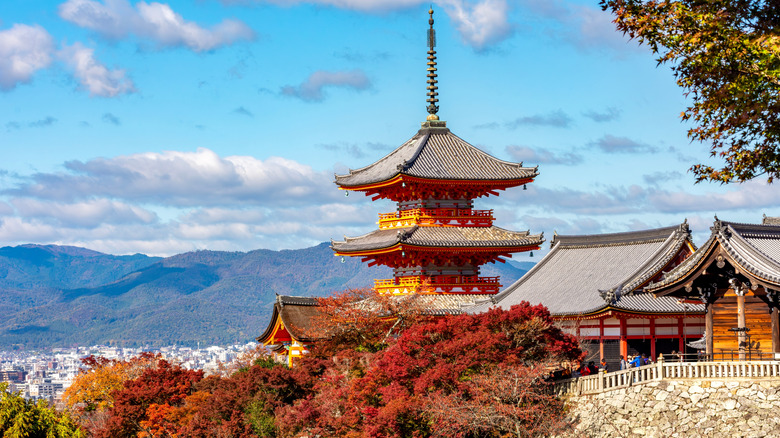
That Tokyo is the world's best destination for Gen Z travelers says a lot about how modern it is — it was a fishing village until 1603, and in the years since, the old cityscape has succumbed to fires, earthquakes, allied firebombing raids, and eventually urban development. In Kyoto, however, many of the most impressive ancient structures remain intact. You should spend time visiting these key landmarks, but I'd caution any traveler against biting off more than they can chew. Temple fatigue can set in quickly, especially with complex history and poorly translated information making it hard to grasp the full historical significance of some sites. Never mind the heaving tour bus crowds at the likes of Fushimi Inari and the Golden Pavilion. The best way to tackle historic Kyoto is to pick a limited number of sites and give them their due.
Nanzen-ji is a good place to start. A Buddhist temple complex in Kyoto's eastern hills, it is grand without being ostentatious and has tranquil Zen rock gardens hidden in pockets throughout. Also visit Sanjūsangen-dō, a temple with 1,001 human-sized statues of the goddess of mercy, Kannon, each with 42 hands clasping symbolic artifacts — no phones are allowed in here, enhancing the quietude. Shimogamo-jinja is one of Kyoto's UNESCO-listed Shinto shrines. Surrounded by a sacred forest, it hosts festivals throughout the year.
Kiyomizu-dera is probably Kyoto's most famous temple, thanks to a regal hilltop pagoda overlooking the city. It's worth visiting, but I'd suggest doing it at sunrise to beat the crowds. Also consider a detour to Byōdo-in, built by an 11th-century aristocrat as he prepared for the world's end. Located in Uji, famous for tea, you can sample farm-to-table matcha in the temple tea room.
The best of modern Kyoto
Traveling in Tokyo or Bangkok is thrilling, in part, because these cities are ultramodern, with gleaming high-rises and slick public transport and busy streets humming with activity — a sense that opportunity lies around every corner. Kyoto is now coupling its historic image with a modern side, too, and this reinvention is something I notice on each visit.
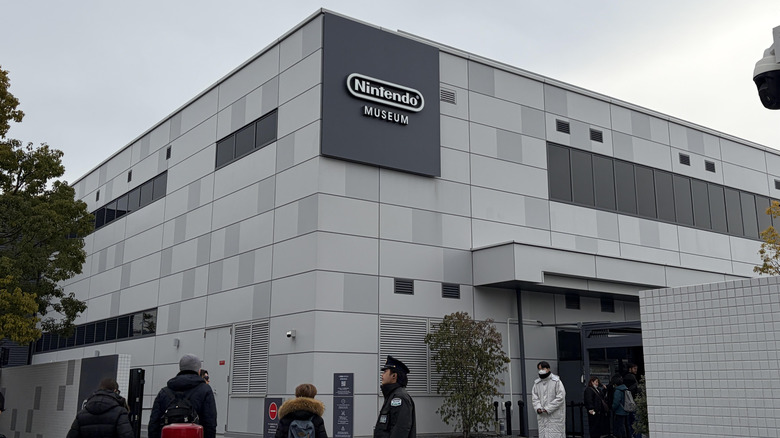
Kyoto's pop culture museums epitomize this. While the Kyoto International Manga Museum has been around for 20 years, the Nintendo Museum is a recent addition. Opening in a former factory in late 2024, it's a temple to the best-known name in gaming, the company that gave us Mario, Zelda, Animal Crossing, and Pokémon (in partnership with Game Freak) and the consoles to play them on. TeamLab Biovortex is even newer, opening at the end of 2025. Coming from the same art collective that rose to fame through its Planets and Borderless museums in Tokyo, Biovortex is teamLab's largest, and perhaps most ambitious, installation yet. Expect immersive, interactive 3D spaces that blur the boundary between the artwork and the viewer.
If you're exploring the craft beer scene, Stand Umineko Koto is a great introduction, with its prototypically stripped-back interior and dozens of beers on tap and in the fridges. You should also wander along the Philosopher's Path, a cherry-tree-lined canal with tea shops and restaurants, one of which, Juu-go, is a sumptuous soba noodle shop that featured on "Somebody Feed Phil." And cap off your trip by staying in a ryokan. Kyoto is full of these properties, but some have taken the traditional ryokan aesthetic and married it with modern conveniences. Though pricey, Hoshinoya Kyoto and Banyan Tree Higashimyama are pretty special. Also note that Kyoto has a new accommodation tax — here's what travelers should know.