
Halfway Between Boston And Hartford Is New England's State Forest With Lake Fun, A Beach, And Scenic Nature
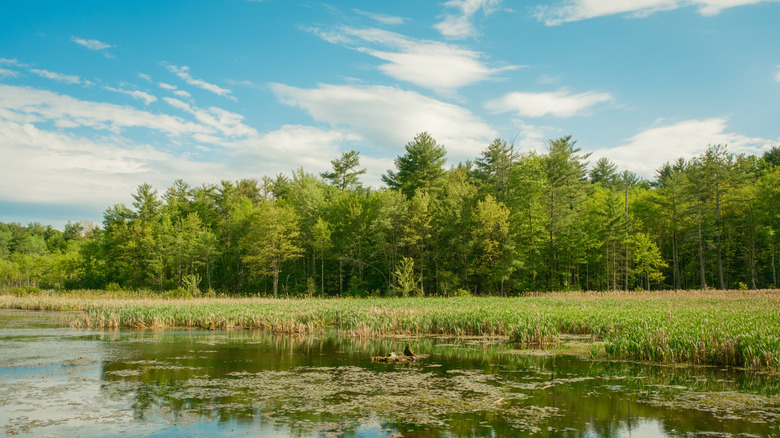
You could say that Douglas State Forest is hidden in plain sight. At nearly 6,000 acres, this woodland takes up a good amount of real estate, and it stands at the junction of three states: Massachusetts, Rhode Island, and Connecticut. The drive takes only 70 minutes from Boston and 75 minutes from Hartford, Connecticut (though more if traffic is heavy). But psychologically, it doesn't feel close to anything familiar; you're far from Cape Cod, the Berkshires, and Harvard Yard — all the things Massachusetts is known for. The roads that lead to Douglas State Forest are small and obscure. The names of the nearest towns probably won't ring any bells.
Then there's the atmosphere of Douglas State Forest, which feels something like wilderness. These woods are thick and lightly developed; by area, the forest covers one-third of the town of Douglas, Massachusetts. You could walk for hours along these trails and only pass a handful of people, even in the busier seasons.
The notable exception is Wallum Lake, a long body of water that sprawls over 322 acres and straddles the Rhode Island border. A modest stretch of sand draws lots of beachgoers during the hottest months, thanks to cool waters and posted lifeguards. Like Myles Standish, another Massachusetts state forest with beach beauty, fishing and boating, this is a great place to escape Boston and immerse yourself in nature.
How to enjoy Douglas State Forest
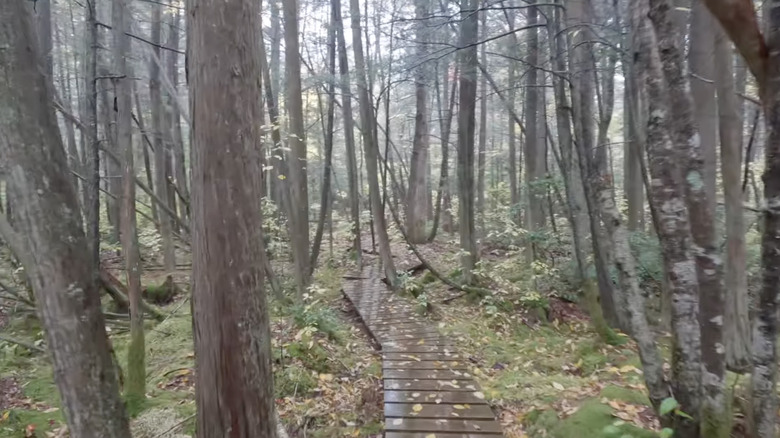
The easiest way to enjoy Douglas State Forest is to walk around. The Coffee House Loop starts near the lake and takes you on a 2.4-mile journey around the adjacent wetlands. Raised boardwalks (pictured above) will help keep your feet dry, especially when the level landscape is flooded. Hikers are the most common sight here, but the trail doubles as a bridle path, so you can traverse this terrain on a horse as well. (Just watch your feet for equine droppings.) The loop is open all year, and when there's sufficient snow cover, this is a great spot for snowshoeing and cross-country skiing.
Douglas State Forest also marks the intersection of the Midstate Trail, which crosses Massachusetts, and the North South Trail, Rhode Island's only true border-to-border hike through the whole state. The forest is a thriving wildlife habitat, and you're likely to spot rabbits and white-tailed deer as you make your circuit through the trees. If you're lucky, you may encounter fox, coyotes, raccoons, and wild turkeys as well. Birders will almost certainly see geese and mallards near the water, and you can search the trees for woodpeckers, red-tailed hawks, and more than 100 other cataloged species. The eastern shore of Wallum Lake has its share of housing developments, but as you venture north and west into the forest, the only hints of human habitation are the trail and occasional signs.
For spending time in the water, the beach is the most popular destination, but paddlers will find a boat launch at Wallum's northern tip. Anglers with a Massachusetts license can fish here, hooking any of 11 species, including largemouth bass and broodstock salmon. Stand-up paddleboards and other non-motorized craft are also welcome, as are motorboats.
Getting to Douglas and where to stay
The only credible way to get to Douglas State Forest is to drive. Truly intrepid outdoorspeople could hike here along the North South Trail or Midstate Trail, and you could drop into the forest on a bike tour across Southern New England, but almost every visitor will come by car. The best way to arrive is by Wallum Lake Road, but there are other access points as well, such as a small lot on SW Main Street. Note that the main parking area in the state forest charges visitors between late May and mid-October ($9 per vehicle for Massachusetts residents, $30 for out-of-staters).
This place is so rich and peaceful that you might be tempted to stay the night; unfortunately, that isn't possible, as Douglas State Forest closes at 8 p.m. every day and there are no campsites of any kind of the property. Note that camping outside of official campgrounds is illegal in Massachusetts and could result in a hefty fine.
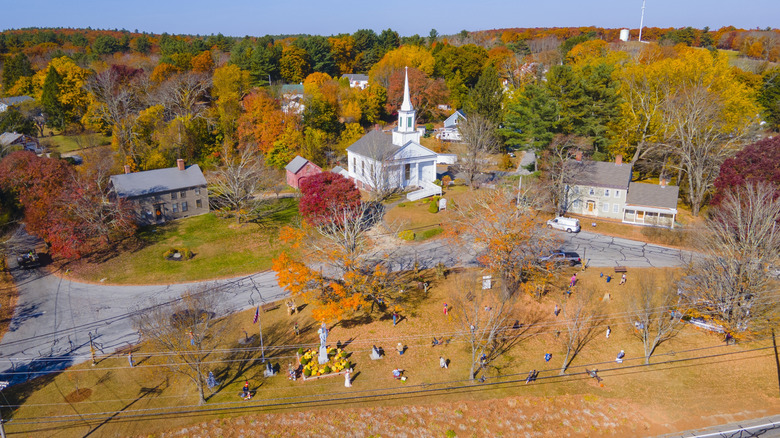
The middle of the town of Douglas is an adorable rural community (pictured above), as are many of the surrounding towns. That said, you won't find a lot in the way of hotels or B&Bs. If you've brought along your tent and gear, consider staying at the Sutton Falls Camping Area, Massachusetts' camping escape with hiking, pond fun, and serene vibes, which stands only seven miles away from Douglas State Forest's east entrance.