
6 Once-Thriving Places In Liverpool That Have Transformed Into Abandoned Beauties
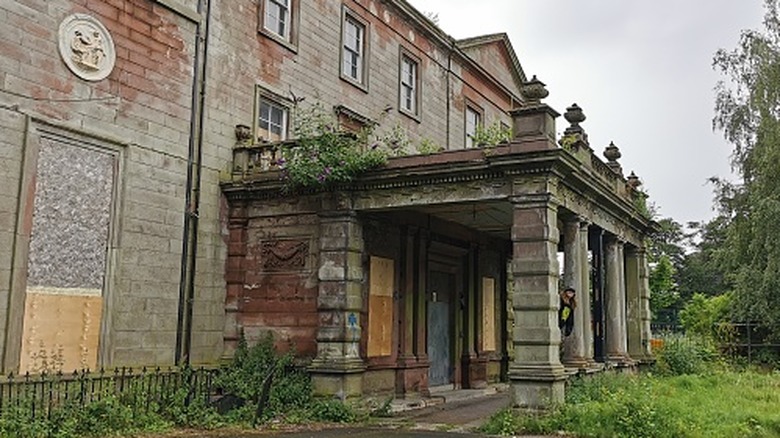
Liverpool is a vibrant city in the northwest of England, famous for its rich maritime heritage, diverse culture, and being the birthplace of The Beatles. Yet beyond the slick hotels and thriving visitor attractions, a hidden side of the city holds its own unique appeal. Abandoned mansions, haunted hospitals, and ruined churches are all part of Liverpool's colorful history, and despite years of decay, they retain an eerie beauty that makes them compelling even in neglect.
In the 18th century, Liverpool became one of England's most significant ports, prospering through transatlantic trade and, later, the Industrial Revolution. The city was once a hub for major British shipping companies Cunard and White Star. It was also home to the world's largest passenger ships, including the Titanic. This thriving industry led to rapid city expansion, but the golden age didn't last. The collapse of Liverpool's once-thriving port economy and subsequent population decline in the late 20th century led to the abandonment of many of the city's Victorian and Georgian properties.
Today, Liverpool thrives once again, thanks to revitalization projects and cultural investment. However, behind the scenes, the city's forgotten buildings serve as a reminder of the past. We've listed some of the most striking abandoned places in Liverpool below. It's important to note that it's illegal to enter privately owned property without permission in the U.K. Some of the places on this list can only be viewed from the outside, but there are a few exceptions.
Wellington Rooms
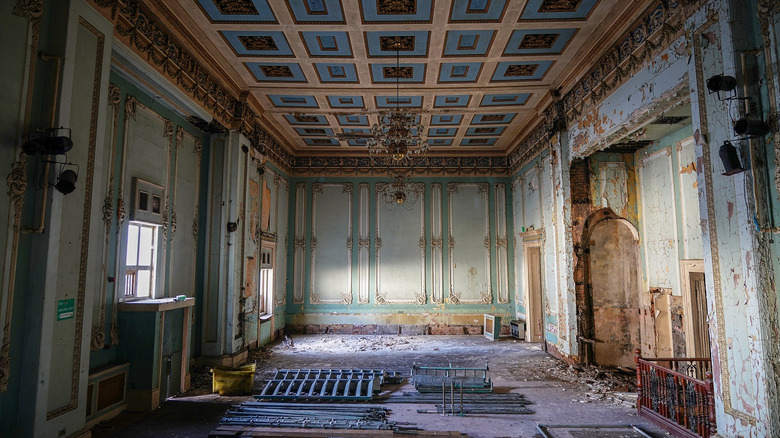
Dating to 1815, this Regency-era assembly hall was built to host balls and events for Liverpool's high society. The ornate stone colonnades and grand ballroom helped the Georgian building gain Grade II listed status, despite it being damaged during World War II bombings. The Wellington Rooms later became known as the Liverpool Irish Centre, before being abandoned in 1997. Located near the Metropolitan Cathedral, the building is privately owned so you can't go inside, but you can admire the timeless architecture from the road.
St. Luke's Bombed Out Church
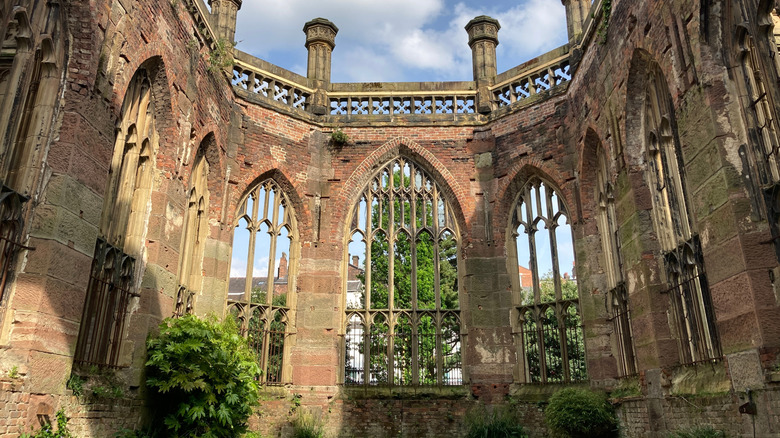
Established in 1832, St. Luke's Church was a thriving place of worship frequented by doctors who worked nearby. The church was bombed during World War II, leaving the building in ruin. St. Luke's was abandoned, with just the shell walls remaining. In the 2000s, the site was cleared and turned into a war memorial and arts center. As one Tripadvisor user notes, the "building is really atmospheric and full of history," so it's worth a visit if you're in town. Unique attractions like this make Liverpool one of the UK's best big-city destinations.
Newsham Park Hospital
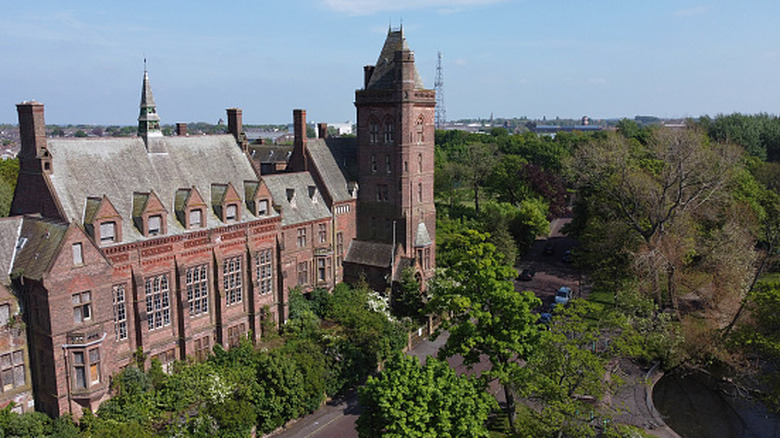
This Grade II listed red brick building is a former orphanage, hospital, and asylum in Liverpool's Tuebrook area. Opened in 1874 as the Liverpool Seamen's Orphan Institution, the Gothic building was home to many youngsters whose fathers had been lost at sea. It later became Newsham Park Hospital before finally being abandoned in 1997. Per UrbexMaps, Newsham Park Hospital is one of the city's most haunted buildings, and you can explore the empty wards on overnight guided ghost tours.
Greenbank Synagogue
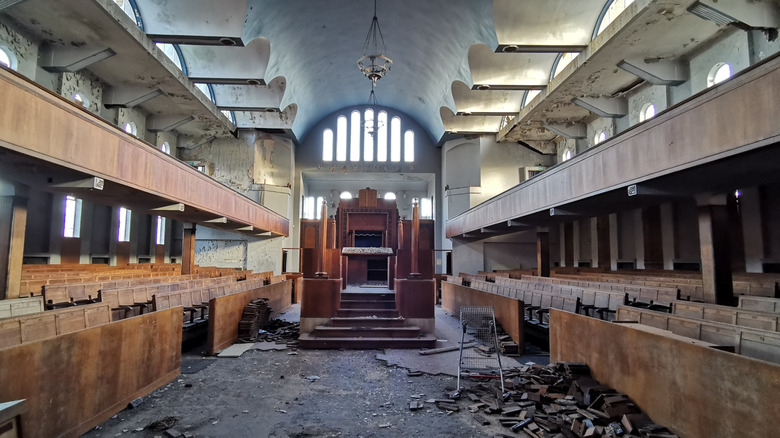
This derelict Orthodox synagogue in Liverpool's Sefton Park area is a reminder of the city's once-thriving Jewish population. It opened its doors in 1937 with capacity for 700 members of the Liverpool New Hebrew Congregation, and provided a place of refuge during World War II bombing raids. Designated a Grade II listed building thanks to its Art Deco and Swedish Romantic design, Greenbank Synagogue still displays echoes of its former glory in the central prayer hall. Fire damage and congregation decline led to the synagogue's closure in 2008, and today it remains abandoned.
Williamson Tunnels
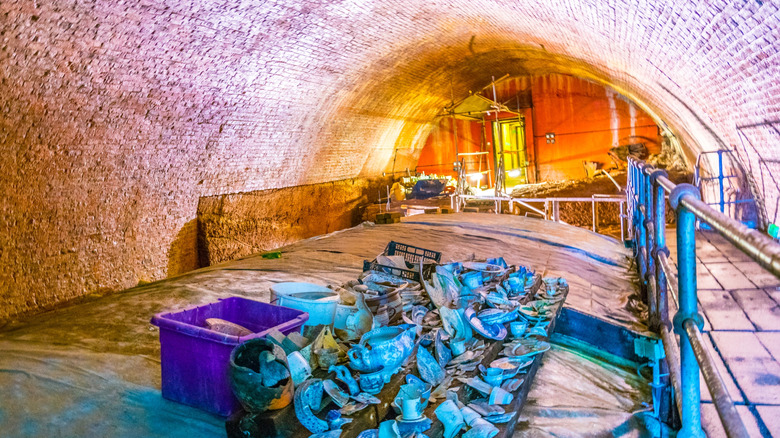
Beneath Liverpool's Edge Hill area, a maze of underground tunnels shows a different side to the city. Hand-carved by a team of former soldiers left unemployed by the Napoleonic Wars, the tunnels would have been a hive of subterranean activity in the early 19th century. No one knows the real reason why an eccentric tobacco merchant commissioned the construction, according to Country Life, which just adds to the mystery. The tunnels were abandoned in 1840, with later excavations revealing "beautiful brick arched caverns," as noted by a Tripadvisor reviewer. You can explore the tunnels on a tour at the Williamson Tunnels Heritage Centre.
Woolton Hall
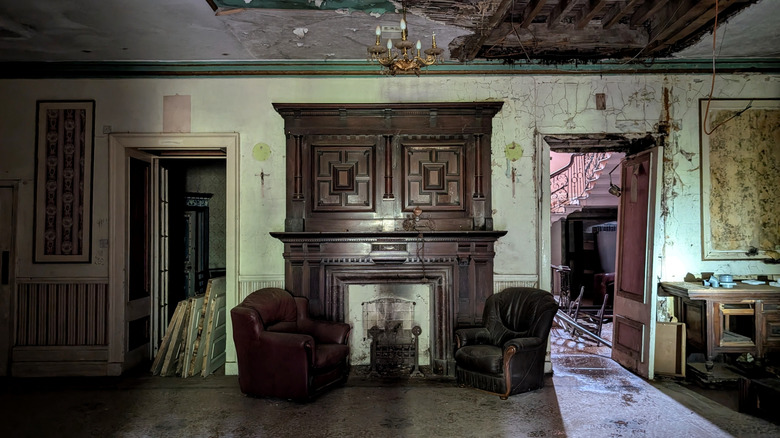
Dating to 1704, Woolton Hall on Speke Road is one of many eerily abandoned mansions and once-thriving hotels around the world that retain a powerful presence, despite years of neglect. This striking building was designed by Neoclassical architect Robert Adam, with prominent Palladian features on the façade. Once owned by the Earl of Sefton, and previously used as a school and a hotel, this country house was deserted in the 1950s. To protect it from demolition, Woolton House was designated a Grade I listed building in 1982, but later fire damage led to the roof falling in.