
Between Springfield And Little Rock Is A Scenic Ozark River Destination For Fishing, Paddling, And Camping
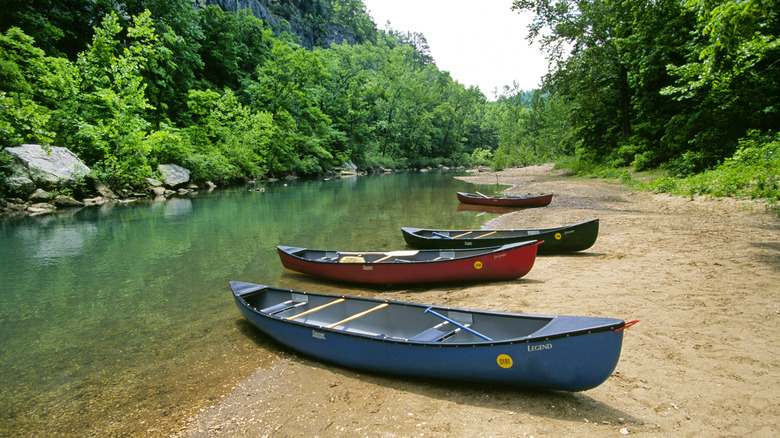
Arkansas is known for its natural beauty and bevy of outdoor adventures. In fact, the 25th state to join the U.S. is nicknamed "The Natural State." Much of the natural allure of Arkansas is due to the Ozark Mountains. Situated in the heart of the Ozarks, between Springfield, Missouri, and Little Rock is the Buffalo National River, a natural feature that epitomizes Arkansas' incredible outdoor appeal. It also provides visitors with the chance to enjoy fishing, paddling, and camping in incredibly scenic surroundings.
The Buffalo National River is unique in a number of ways. For one, it was the first stretch of river in the United States to be designated as a national river. This 135-mile portion of the 153-mile-long Buffalo River has held that designation since 1972. It is also one of only a handful of rivers left in the U.S. that remains free of dams and development, as it free-flows from its headwaters through the Upper Buffalo Wilderness, through the Ozark National Forest, and ultimately to the White River.
As the Buffalo National River winds through Northwestern Arkansas, it affords a dizzying array of outdoor recreational opportunities. Birding and nature watching are extremely popular. Visitors making their way along the river are able to encounter animals ranging from black bears to white-tailed deer along its shores. There are also dozens of bird species which can be spotted throughout the year. Even without the wildlife, the scenery along the river is spectacular, with limestone cliffs, whitewater rapids, calm pools, dolomites, and rocky overhangs being among just some of the natural features present at various points along the river's path.
Fishing and paddling the Buffalo National River
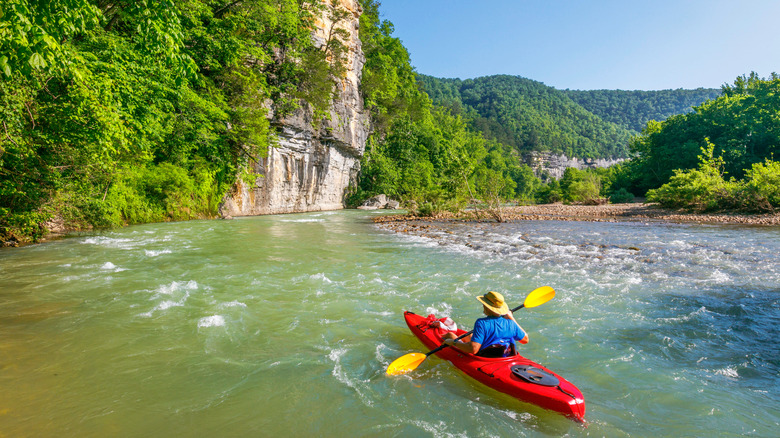
Of course, as magnificent as the animals and scenery surrounding the river may be, it is the clear waters of this free-flowing river that draw the majority of visitors. A good many of those who visit come to cast a line in this wild and scenic waterway, which is home to 74 different species of fish, including a dozen game fish. Among the more popular species that can be caught throughout the year are largemouth and smallmouth bass, catfish, and bluegill. During the winter months, both brown and rainbow trout can be caught in the area near where the Buffalo National River joins the White River.
Although there are a variety of angling options on the Buffalo National River, smallmouth bass are considered the top target. In fact, the Buffalo National River is actually managed as a smallmouth fishery and has separate bag and creel limits than other waters in Arkansas. Regardless of the species being sought, the Buffalo National River is particularly popular for fly fishing. It is worth noting that different stretches of the river have different characteristics, which creates a rather dynamic angling experience.
A good number of visitors take to the water sans fishing rod, as the Buffalo National River is also popular among paddlers. As is the case with anglers, different stretches of the river offer different challenges and experiences. Some sections feature rapids that require a high level of skill and experience. Other portions are more tranquil and can be floated in a much calmer manner. Both anglers and paddlers can find ample access within the Upper Buffalo Wilderness inside of Ozark National Forest. It is also possible to access the upper portion of the river in the town of Ponca, the secluded mountain paradise in the Ozarks.
Camping on the Buffalo National River
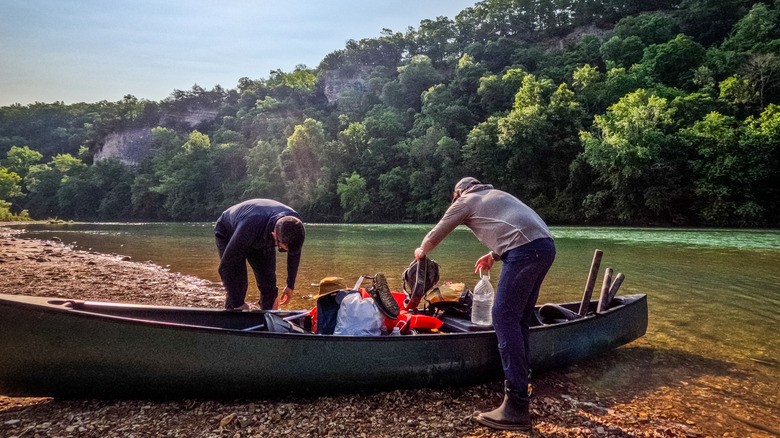
Camping options abound throughout each of the three districts of the national wilderness along the Buffalo National River. There are five campgrounds in the Upper District, eight in the Middle District, and four in the Lower District. The campsites in these campgrounds range from primitive paddle or hike-in to full-hookup RV sites. Additionally, some sites are reservation only, while others are first-come, first-served. The self-pay stations at the latter only accept cash or checks. It is also worth noting that some campgrounds, which were previously first-come, first-served, began requiring reservations as of 2026. So, the best option, even for those who have camped along the river before, is to check Reservation.gov while planning your trip. There you can see which sites require reservations during different seasons and reserve those sites in advance.
In addition to paddling, fishing, and nature watching, both campers and day visitors have a number of hiking options along the Buffalo National River and in the Upper Buffalo Wilderness. One of the more popular treks is to hike to Whitaker Point, a rocky outcrop known for its wildly inspiring views over the Buffalo River. The Indian Creek Trail, Arkansas' most dangerous day hike, is a challenging out-and-back hike that traverses some of the most rugged terrain along the Buffalo National River.
When it comes to getting to the Buffalo National River, access depends on the section which you wish to visit. Ponca is the closest town to the Upper Section. The nearest town for those visiting the Middle Section is St. Joe, while Harriet is considered the closest to the Lower Section. For those looking to fly, Northwest Arkansas National Airport (XNA) in Bentonville is the closest option. This airport is about 1.5 hours from Ponca and about three hours to Harriet.