
Between Gainesville And Tallahassee Is Florida's Natural Oasis With Scenic Wetlands, Fishing, And Wildlife
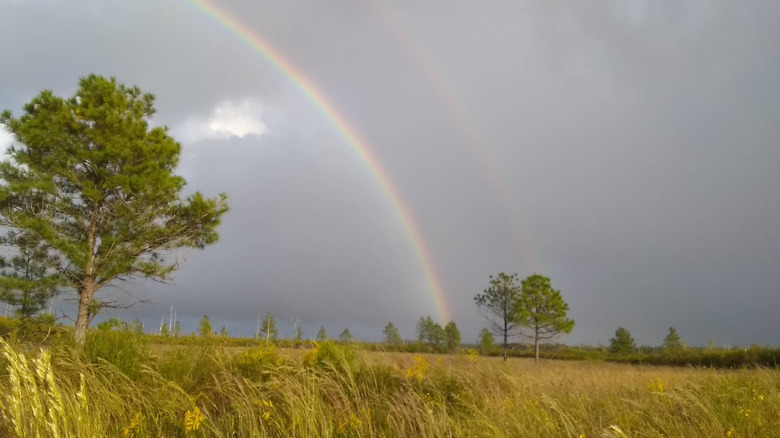
While driving along U.S. Highway 27 between Tallahassee and Gainesville, many travelers may not realize they're passing near one of North Florida's hidden gems. Covering more than 31,000 acres in Lafayette County, the Mallory Swamp Wildlife Management Area represents Florida at its most tranquil: a vast, peaceful landscape where miles of trails take hikers through cypress swamps and peat bogs. The latter are wetlands made up of decomposed plant material that has accumulated over the years.
Located 54 miles northwest of Gainesville and 93 miles southwest of Tallahassee, the Mallory Swamp that visitors and Floridians enjoy today has undergone decades of change — and even nearly disappeared at one point. Once a thriving wetland, years of timer production and drainage disrupted its natural water flow. By 2001, conditions were ripe for tragedy, and in May of that year, a severe wildfire burned over 60,000 acres in and around the swamp. The following year, the Suwannee River Water Management District acquired much of the area and kickstarted a restoration project to help repair its natural hydrology. Although Mallory Swamp is still recovering from the fire, it remains a serene place offering opportunities for fishing and hiking within one of Florida's most distinctive natural landscapes.
Hiking and fishing within Mallory Swamp
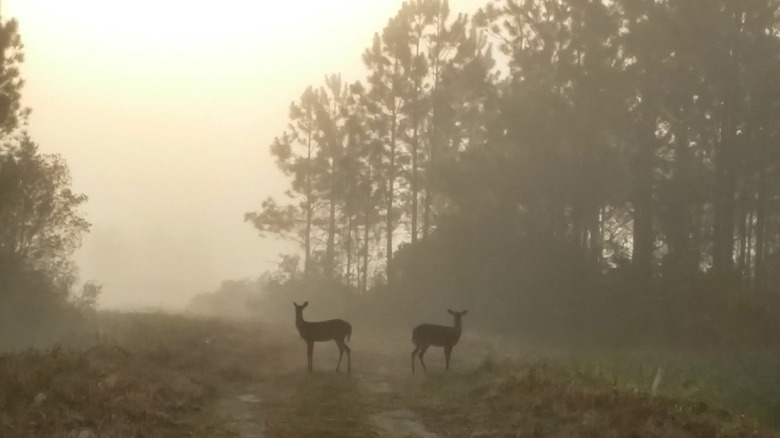
The Mallory Swamp Wildlife Management Area features nearly 100 miles of grassy roads that wind through the swamp. Much like its Central Florida counterpart, Green Swamp Wilderness Preserve near Dade City, hikers may encounter a variety of wildlife that call the swamp home, from white-tailed deer to limpkins, a water bird that can grow up to 28 inches tall. Birdwatchers may also spot species such as wood ducks, red-tailed hawks, and black-crowned night herons.
The area is open year-round, though cooler weather in fall and winter can make for comfortable hiking conditions. Fishing is another popular activity at Mallory Swamp, with several creeks and ponds available for anglers. The wildlife area is a true backwoods fishing spot with few modern amenities, so visitors should come prepared with their own supplies. While detailed information on fish species is limited, bluegill and largemouth bass were found at Townsend Pond, which is also in Lafayette County, and may be present here. Water levels can fluctuate significantly, as Mallory Swamp is part of the Steinhatchee River basin. During the swamp's dry periods, water may be scarce, so it's important to check the district's website for conditions before your trip. A Florida fishing license is required to fish at the swamp and can be obtained online.
For a deeper glimpse of "Old Florida," head south to Stuart and visit Seabranch Preserve State Park, a lesser-known green space filled with wetlands and wildlife-viewing opportunities. If you'd rather experience the state's natural beauty in an urban setting, check out Orlando's Tibet-Butler Nature Preserve, a free, 440-acre park offering trails that wind through cypress forests and wetlands.