
8 Lesser-Known Parks And Nature Attractions You Can Visit Outside Yellowstone
Spanning Wyoming, Montana, and Idaho and garnering 4.8 million visitors in 2025, Yellowstone National Park needs little introduction. Lauded the best national park in the U.S. in 2026 by U.S. News, this destination draws nature lovers and adventurers like moths to a flame with a 2.2 million-acre spread of dramatic terrain, diverse wildlife, and geological marvels.
But the landscape beyond Yellowstone's fringes holds its own share of magic, one that unfurls across a collection of parks and natural attractions that often fly under the Yellowstone visitor's radar. We're talking spots with claims to fame including a river disappearing into rocks, lunar-like lava fields, and an earthquake-formed lake. Or maybe a wildlife refuge tucked into remote peaks, a private ranch-turned-state park, or dramatic waterfall drops are more your thing. All these places surround Yellowstone and come with a fraction of its crowds.
If the call of a lesser-known yet equally attractive destination appeals to you, then this is your list. With picks from Wyoming, Montana, and Idaho, here are destinations that make a detour away from Yellowstone worth your while.
Sunlight Basin, Wyoming
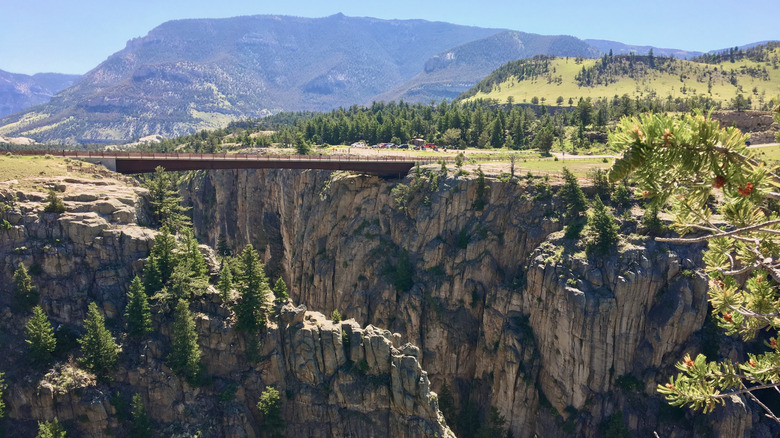
A barely-known basin considered one of Wyoming's prettiest places, Sunlight Basin is a sprawl of canyons, mountains, creeks, and waterfalls. Several trails reward hikers with vistas of impressive meadows and sheer cliffs. But the most dramatic views of the basin are from Sunlight Creek Bridge, the state's highest at 1,200 feet over the plunging Sunlight Gorge, and from Dead Indian Summit Overlook, which reveals the basin's natural landscape from 8,000 feet up. There is plenty to see for wildlife enthusiasts with elk, moose, and mule deer roaming in the meadows and grasslands. Grizzlies also make an occasional appearance.
Boysen State Park, Wyoming
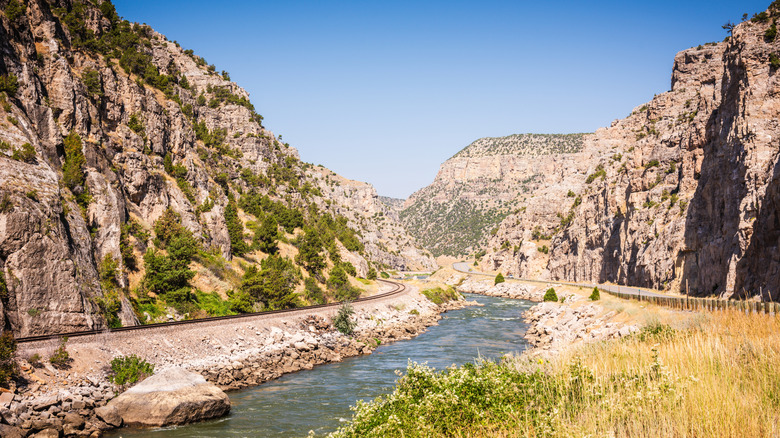
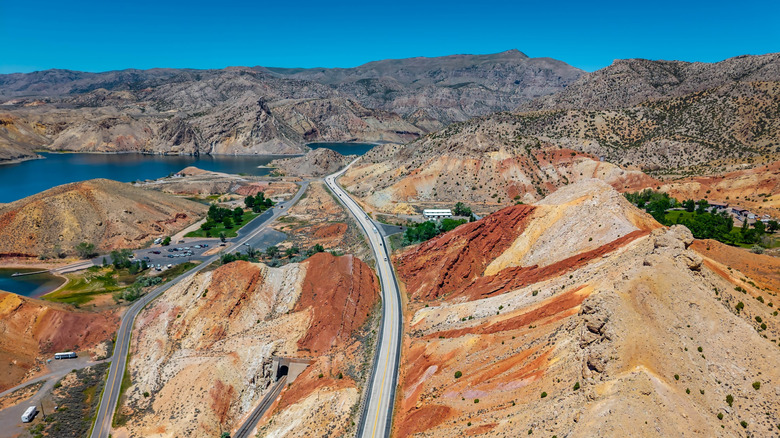
For Wyoming's biggest state park, it's surprisingly easy to navigate Boysen State Park, which sits beside the Wind River Reservation in Fremont County. Its compact size is one reason for this, but also the fact that the man-made Boysen Reservoir takes up roughly 56% of the park's 35,000 acres — waters that are primed for fishing, boating, and swimming set against towering canyon walls. Outside the famed reservoir, Boysen State Park is studded with rock formations, sagebrush-covered plains, and numerous campgrounds to prolong your stay.
Sinks Canyon State Park, Wyoming
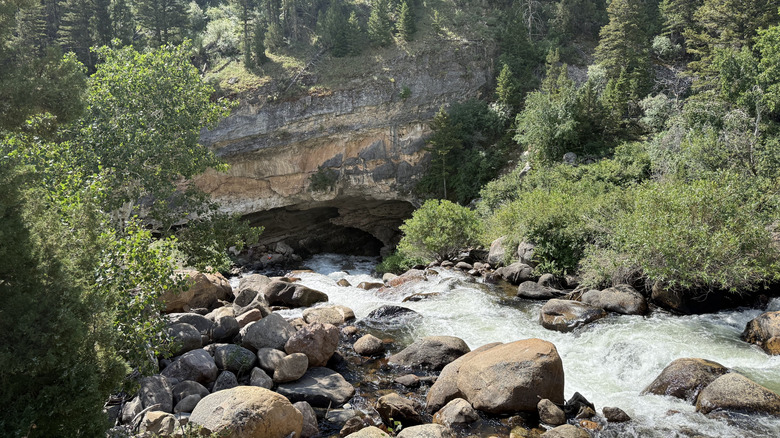
Mother Nature has a lot of tricks up her sleeve, and Sinks Canyon State Park's geology is one of her more whimsical ones. Here, the raging waters of the Middle Popo Agie River are seemingly swallowed by a limestone cave, only to pop up a quarter-mile down the canyon as a calm, rainbow trout-filled pool named the Rise. The rest of the 600-acre park pulls its own weight with its tranquil nature trails, natural landscapes primed for adrenalin-seekers, and a Dark Sky designation for great constellation views.
Earthquake Lake, Montana
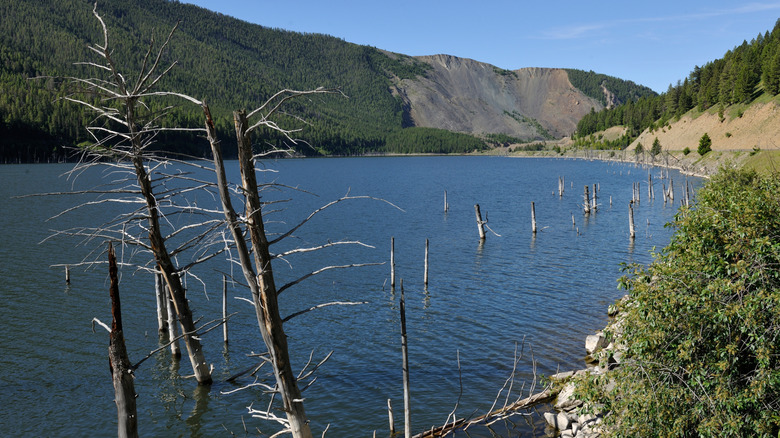
While most lakes form slowly over millennia, some, like Montana's Earthquake Lake, appear almost overnight. Earthquake Lake was conjured into existence by a tragic earthquake and landslide in 1959 that caused a blockage in the Madison River, forming the lake. The evidence of this can still be seen in the dead trees that eerily emerge from the water. Drop by the visitor center for more in-depth information on the geological event and take a boat, kayak, or canoe across its waters. Just 30 minutes from West Yellowstone, the lake is a solemn, sobering detour from the national park crowds.
Red Rock Lakes National Wildlife Refuge, Montana
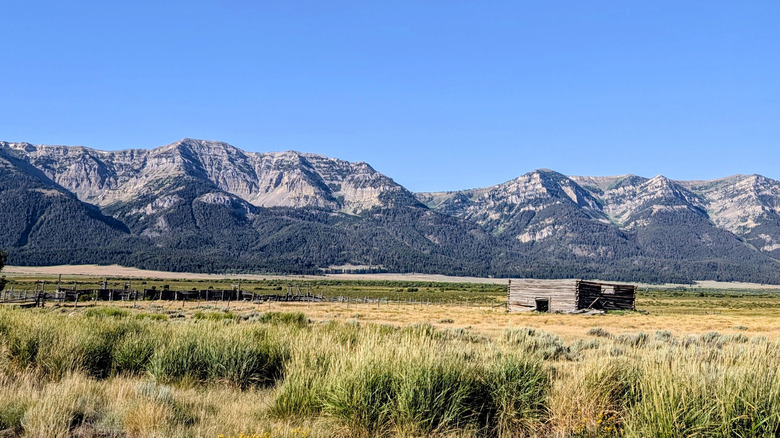
Wildlife abounds at the Red Rock Lakes National Wildlife Refuge, a lush patchwork of marshland, prairies, forests, and lakes hemmed in by the soaring Centennial Mountains. The refuge is home to elk, moose, bears, mountain lions, and about 230 bird species, but its most fiercely protected inhabitants are trumpeter swans. Once almost extinct, these birds found protection with the refuge's founding in 1935. Located about two hours from West Yellowstone, the refuge is a haven not only for its wildlife, but for visitors looking for a quiet corner in the Greater Yellowstone Ecosystem.
Harriman State Park, Idaho
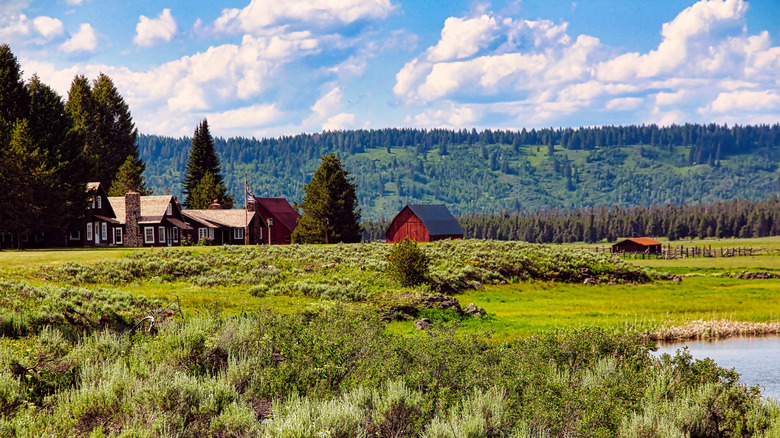
Looking for an affordable state park that can channel Yellowstone vibes, but without the crowds? Then Harriman State Park should be on your radar. Unfurling across 11,000 acres of meadows, forests, and wetlands is a thriving ecosystem of flora and fauna. The park also includes 8 miles of Henry's Fork, a river revered by passionate anglers for its excellent fly-fishing conditions. Here, you'll also find a handful of original ranch buildings, well-kept reminders of the park's former life as a private cattle ranch of two railroad and copper magnate families: the Harrimans and Guggenheims.
Mesa Falls, Idaho
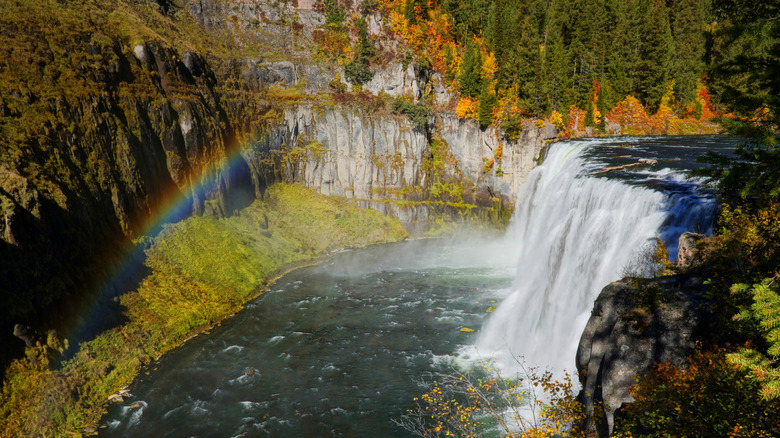
Not one, but two waterfalls make up Idaho's stunning Mesa Falls — the result of a volcano erupting 1.3 million years ago that left behind the hard volcanic rock these falls now tumble over. Allot half a day to visit the two falls, accessible from the Mesa Falls Scenic Byway on Idaho Highway 47. Marvel at Upper Mesa's 114-foot drop and Lower Mesa's 65-foot one from various viewpoints along a dedicated trail. While not as high as the 132-foot Tower Falls (best viewed from one of Yellowstone's most breathtaking overlooks), Mesa Falls is no less impressive.
Craters of the Moon National Monument and Preserve, Idaho
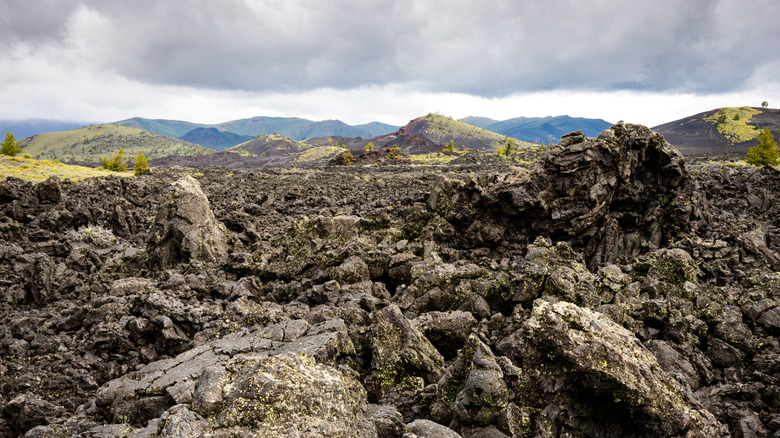
While Yellowstone National Park owns vistas of geysers, canyons, and wildlife, Craters of the Moon National Monument and Preserve delivers something otherworldly: A surreal lava flow landscape that literally feels like exploring the moon. The lava fields, lava tube caves, and basaltic cinder cones capture the lunar landscape so convincingly that it became a training ground for NASA astronauts in 1969. After exploring lava trails, volcanoes, and cinder slopes in the park by day, the night lives up to the lunar theme with its Dark Sky Park designation — so expect skies primed for stargazing.