
North America's Oldest Passenger Train Highlights Canadian Communities With Historic Charm And Ethereal Views
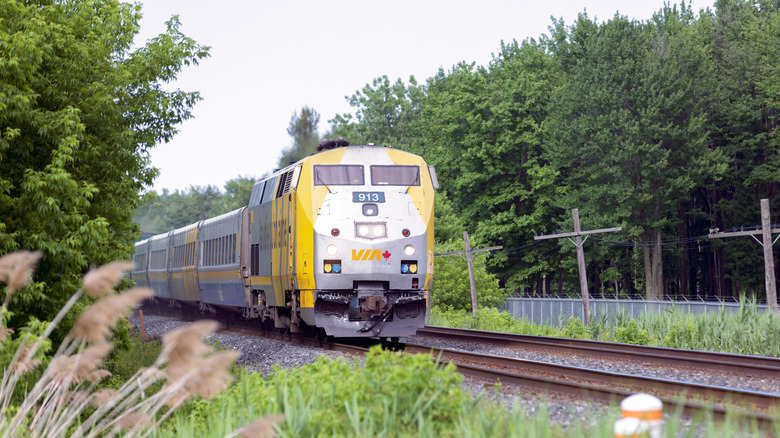
Train travel was once the easiest way to transport people and goods long distances. These days we use cars and airplanes for that, but people still love a good old-fashioned train ride. When it's North America's oldest continuously operating named passenger train traveling through historic villages with stunning views of Canada, the experience is extra special. VIA Rail offers just that. It operates The Ocean, a train that takes travelers 840 miles from Montreal to Halifax. The entire trip takes about 24 hours (yep, it's an overnight train!), with plenty to see along the way.
This train's significance extends far beyond its status as one of the oldest on the continent. In the late 1800s, roads were less than ideal, and the newly formed Canadian Confederation needed a better way to connect the Maritime provinces with central Canada. A railway was required for this to happen, and the railway, in turn, helped spur the growth of towns and villages along its route, supporting settlement and industry across the region. In the early days it was known as the Intercolonial Railway. The Ocean began service in 1904, initially running along the Intercolonial Railway, which had been completed in the 1870s to link the Maritime provinces with central Canada.
Today, you can enjoy a scenic ride along the route by booking a seat on the train, but Sleeper Plus tickets provide sleeping accommodations, access to the dining car, and a more comfortable overnight experience. Fares vary depending on the time of year, class, and travel date, with Sleeper Plus costing considerably more than Economy. Trains run Wednesdays, Fridays, and Sundays, and you can purchase tickets online directly from VIA Rail.
Charming, historic villages along the Ocean's route
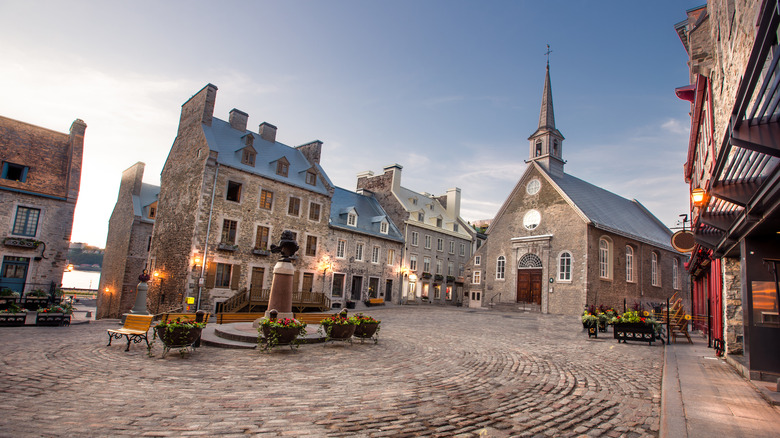
The Ocean takes you through three of Canada's most beautiful provinces — Québec, New Brunswick, and Nova Scotia. Between its endpoints of Montréal and Halifax, it makes stops in several of the small towns and villages that grew along the railway's route. Moncton is one of the largest, but you'll find history and charm in places like Rimouski, Matapédia, Campbellton, and Truro, just to name a few. Each developed its own unique personality and is worth exploring in its own right. Mont-Joli is a historic part of the route, and the town grew around the railway, remaining an important part of its history. Today, visitors can enjoy the city's open-air gallery, "Les murmures de la ville" (Murmurs of the City), a collection of 36 murals that makes this one of Québec's most vibrant hidden gems.
Further along the route, Matapédia is a small community with a unique identity closely tied to its fishing culture. This is where the Matapédia and Restigouche rivers meet, and salmon fishing has long been central to the region, whose cultural history blends Acadian, French-Canadian, Irish, and Mi'kmaq ancestors. Elsewhere, Truro grew into an important railway and industrial center, with industries including machinery, printing, and lumbering. Truro also has an important place in Black Canadian military history: the No. 2 Construction Battalion, Canada's first and only all-Black battalion, trained there during World War I.
Changing landscapes and seasons on VIA Rail's Ocean
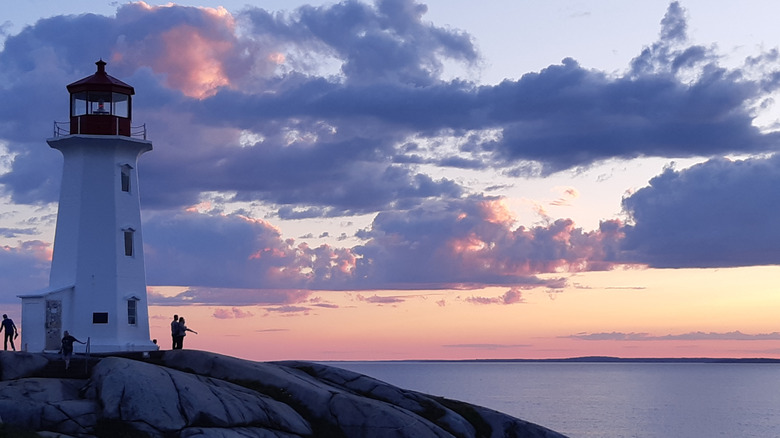
If you start your adventure on the Ocean in Montréal, you'll soon trade cityscapes for hills, fields, rivers, and dense forests, and that's all before you reach the coast. You may not want to disembark at every charming little village, but you will get a feel for what life in a small Atlantic coastal village looks like as you pass through. The towns, sandy beaches, and rugged coastline all add to the character of the Maritime provinces, and you may even spot some of the region's lighthouses along the way.
Perhaps the most magical thing about the scenic views is that they are never really the same. The scenery will change depending on the direction or time of year you're traveling, and each season has its own beauty. Winter, a great time for scenic train rides through the North American wilderness, brings snow-covered landscapes, while spring brings greenery as new growth blooms. The vibrant hues of summer, shining off the water, turn the Atlantic Ocean and river landscapes golden, and the brilliant colors of fall, as the leaves change, are simply mesmerizing. If you've ever taken a scenic ride through New England on Amtrak's Vermonter in the fall, then you know that those beautiful shades of red, orange, and yellow are hard to resist. And if you want to spend as much time as possible enjoying the scenery, consider traveling eastbound, when a larger portion of the trip takes place during daylight.