
5 Things Park Rangers Notice About You As Soon As You Get To The Park
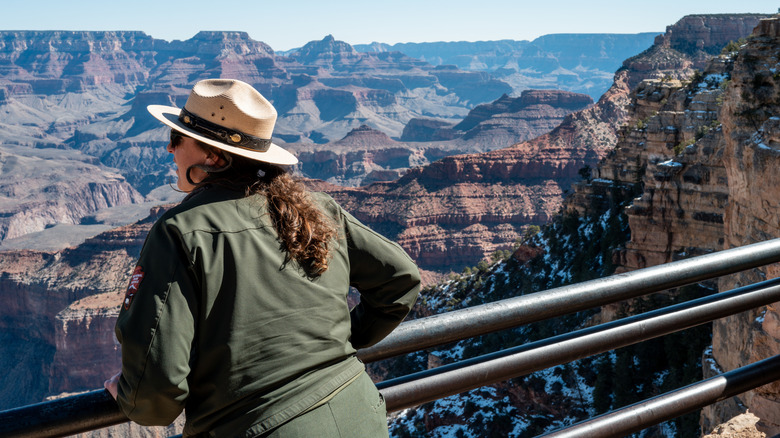
I volunteer as a hike leader for my local hiking group, and on occasion, I'll encounter a first-time hiker who arrives at the trailhead completely unprepared. I'm talking about showing up to a 6-mile hike through the desert with just a single bottle of water or hiking a steep, gravel-strewn trail in platform wedges. But this is likely nothing compared to what a park ranger in a state or national park sees every day on the job.
In recent decades, state and national parks in the United States have seen a record-breaking number of visitors. This can be a positive, as it means more travelers are getting to see the United States' stunning natural scenery up close and learn about the unique geography and history of the nation's federal parks from those who often know it best — the park rangers. But it can also have its downsides, too. More visitors means parks can suffer from overcrowding, causing park rangers to have to divert time away from education programs or protecting wildlife to police long car lines and rescue wilderness-newbies who find themselves lost or injured on the trails.
But rangers are trained to spot potential problems, and often become adept at reading people. Within moments of meeting a visitor, they can often tell if that person is going to be a thoughtful steward of the outdoors or a potential rescue threat. So, what clues are they looking for? From your gear to your body language, read on to discover the subtle things park rangers notice about you as soon as you arrive.
You've never been to this park before
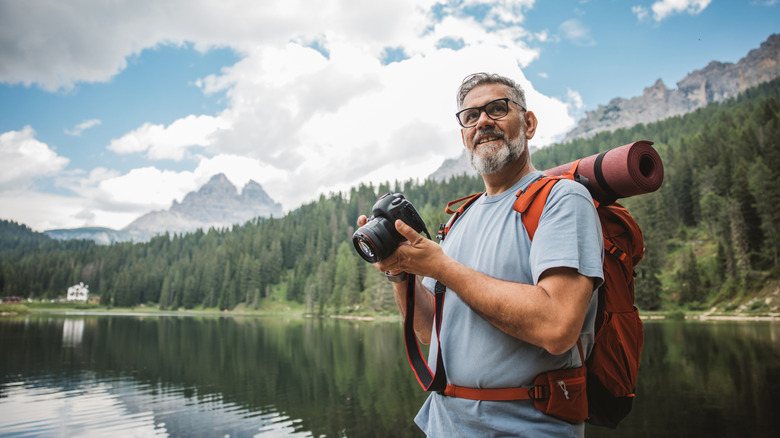
Park rangers can often spot someone who is a first-time visitor to the park by their deer-in-the-headlights expression. These visitors are usually lost, occasionally blocking traffic, and often have no idea where they're supposed to go. This can lead to visitors becoming frustrated and even teary, as one park ranger at the Grand Canyon found out after he had informed a woman that she'd arrived at the wrong side of the Grand Canyon. Upon hearing that she'd need to drive five and a half hours to reach the other side, she burst into tears, unable to comprehend why there wasn't a shortcut. "There's no bridge?!" she reportedly exclaimed.
If you're a first-time visitor and feeling overwhelmed, ask the ranger at the pay station for directions to the visitor center and head there first to get oriented. The visitor center will have trail guides, maps, and rangers who can help point you in the right direction.
You're unprepared for your visit
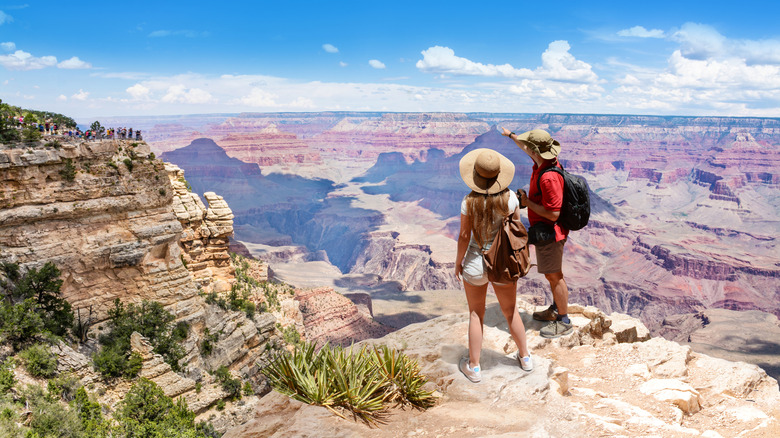
You can spontaneously arrive at a lot of destinations completely unprepared and get away with it, but when it comes to venturing into the wilderness, doing your research, carrying a map, and packing the essentials are all important park ranger tips for staying safe while hiking. A park ranger can tell if you haven't done your homework ahead of time simply by noting the type of gear you're carrying — or lack of it.
Rangers see the consequences of poor preparation all the time, reporting examples of visitors strolling deep into the Grand Canyon without any water or showing up to a campground with an RV that's too big for the site they reserved or, according to one park ranger on Reddit, showing up to camp without any camping equipment at all. "On more than one occasion," the ranger writes, "I've checked visitors into the campground, and then they ask, 'Well now what do we do?'"
You'll go to any lengths to capture the perfect photo
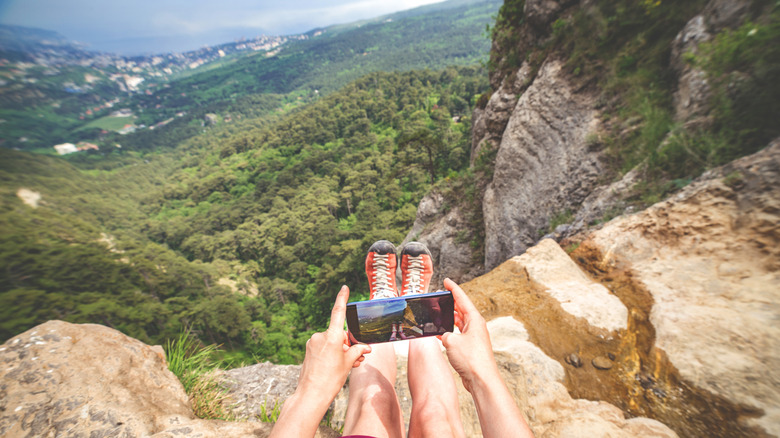
Everyone wants to capture that postcard-worthy scenic selfie or wildlife action shot, especially photos of animals in national parks known as the best places for spotting rare and endangered wildlife. "We get complaints and even bad reviews online because animals were not made available to the public or didn't appear in areas where we recommend," writes one park ranger on Reddit. But this can prove dangerous.
According to data from a 2022 study published in the Journal of Travel Medicine, 379 people died between 2008 and 2021 as a result of accidents caused while taking a selfie. Some slipped off cliffs or tumbled over the sides of waterfalls. Others drowned or were struck by cars. While the United States parks system does not track data on this, rangers have reported feeling astounded by the dangerous lengths people will go to capture that one-of-a-kind shot — jumping on rock pillars, stopping in the middle of the road, and crawling over the edge of cliffs. If you do bring photography or videography equipment with you to the park, remain mindful of the people and dangers around you.
You haven't researched the park
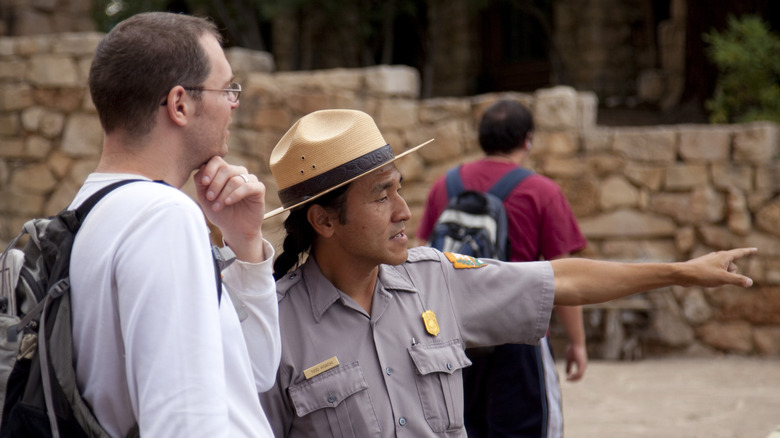
Despite their important roles and occasionally intimidating appearance, park rangers are usually happy to answer questions and are excited to share their wealth of park knowledge. They genuinely enjoy engaging with visitors. In fact, it's one of the top things park rangers wish people knew before visiting a state or national park. But like anyone with a public-facing job, park rangers receive their share of dumb questions from clueless visitors, and the types of questions you ask can reveal how much or how little you know about the park.
"Least favorite question that I get frequently," reports a park ranger on Reddit, "'So what is there to do here?' I want to be like, 'You probably flew and drove hours to get to a destination that you know nothing about?'" Another ranger on Reddit echoes this, writing: "I also always love the string of generic questions after they pay the entrance fee, like 'What's back here? What did I just pay for? What do I do now?'"
You're a potential rescue call
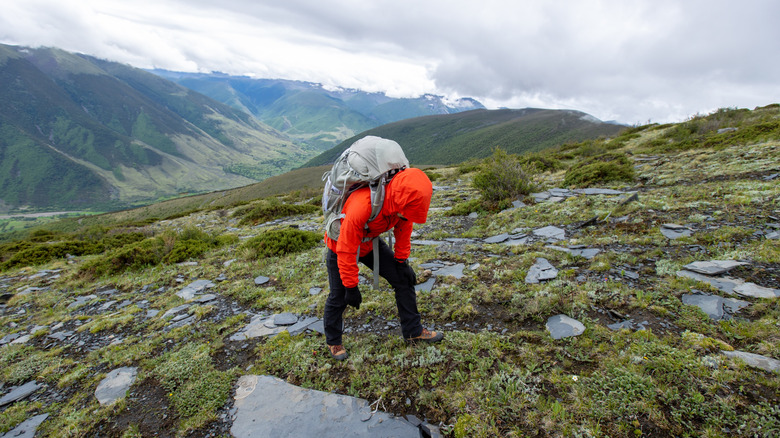
As exhausting as hiking may be, being tired or sore isn't enough to warrant a helicopter rescue — though that hasn't stopped visitors from trying. But if you aren't lost or injured and you call for a rescue simply because you're tired, don't be surprised if you overhear a ranger referring to you as a "Code W," which stands for "Code Wimp." Rangers who see you on the trail will clock things like your physical condition, attire, equipment, and route choice, which can all speak volumes about how you'll fare on the trail. "Please pack some common sense..." a ranger is quoted as saying on the Atlas & Boots travel blog. "I've seen people hiking in stilettos..."
If you're new to hiking, pay attention to these warning signs that your hiking route isn't beginner-friendly, and don't be afraid to ask the rangers questions, as it's their job to help keep park visitors safe.