
A European City With One Of The Largest Open-Air Markets Is Known For Chocolate, Vermouth, And Culture
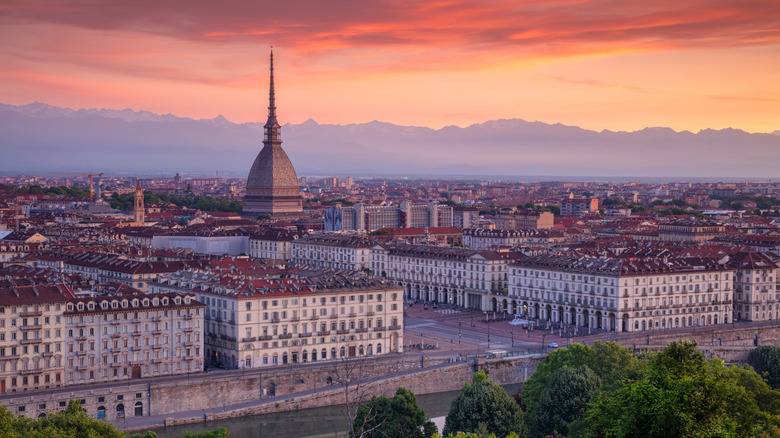
Nestled below the Alps in the northwest of Italy, a short distance from the French border, Turin is a city that has left its mark on the world. The bustling capital of the Piedmont region has elements one would expect from an Italian metropolis, with the historic cobblestone streets, ornate monuments, Baroque architecture, and palatial estates. But Turin is singular in many ways, particularly in its culinary contributions. The city is the chocolate capital of Italy, the birthplace of vermouth, home to the largest outdoor market in Europe, and where the first espresso machine was invented.
As a city in the north, it's often outshined by Milan or Venice, but we all know Turin's exports: the iconic Martini brand, Lavazza coffee, Baratti & Milano chocolates, and Juventus Football Club. The city is worth visiting for its chocolate shops and vermouth bars alone, but Turin also has that Italian charm, meaning it's an ideal place for wandering the city center, stopping at the Porta Palazzo market for a snack, and then strolling along the river. In the evening, check out a museum, try a regional dish like the white truffle pasta tajarin al tartufo bianco, and relax with a nice aperitif while planning the next day's adventures.
There are around 2 million people living in the metropolitan area of Turin, making it easy to fly into via the international airport. There's also accommodation for a wide range of budgets. Summer in Turin is sunny and warm, and while it's tempting to associate the climate in Italy with the sunshine of the moderate Mediterranean coasts, it gets fairly cold in the winter at the foot of the Alps.
Exploring the Porta Palazzo Market in Turin
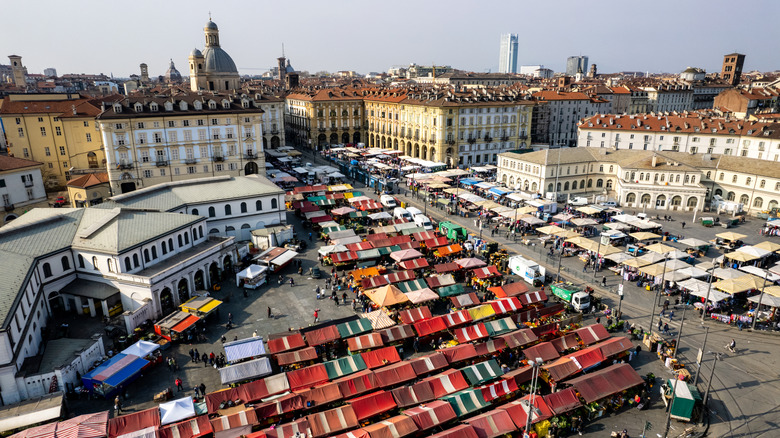
The Porta Palazzo market is located in Turin's largest square, Piazza della Repubblica, in the heart of the city. It's a bustling center of commerce that dates back to the Roman era and has always been a point of cultural confluence in the city. These days, it's a massive hub that has thousands passing through on a daily basis in search of fresh produce, herbs, regional agricultural products, international specialties, and more.
Visitors can stroll the outdoor stalls or pop into the early 20th-century metal-and-glass pavilion, Antica Tettoia dell'Orologio, for more produce or a coffee and pastry breakfast. At the same time, the nearby indoor Mercato Centrale di Torino has food stands, restaurants, and free events. Along with fruits, vegetables, and prepared food, there's wine available and flea market vibes, with vendors offering an eclectic mix of clothing and accessories. Porta Palazzo is the largest outdoor market in Europe, should be high on the list of sites in Turin, and is open Monday-Friday until 2 p.m. and Saturdays until 7:30 p.m.
Beyond the market, Turin is famously one of Europe's cheapest and most underrated cities, with enough cultural offerings to fill a guidebook. Stroll along the River Po in Valentino Park and admire the towering trees, beautiful fountains, and houses and statues of the park's medieval village. You can also check out the over 200-year-old Museo Egizio, which has one of the most important archives of Egyptian artifacts outside of Egypt, featuring tens of thousands of pieces dating back millennia. But of course, it wouldn't be an Italian destination without talking about the food, and Turin has a rich history of crafting incredible eats, sweets, and so much more.
Regional cuisine in Turin, Italy
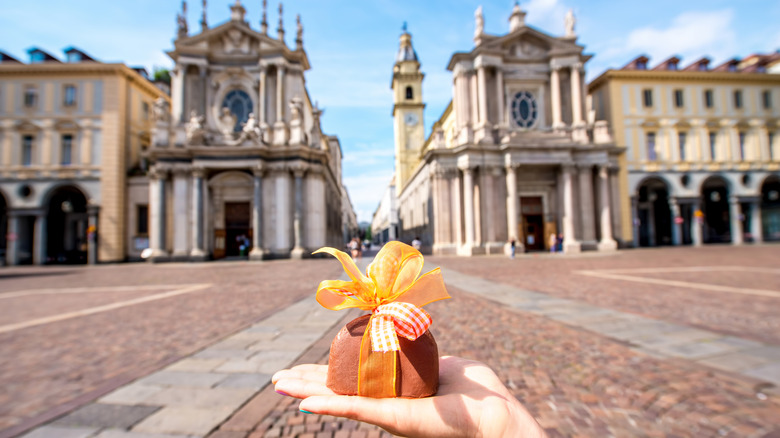
Turin's passion for chocolate goes back to 1560, when Duke Emanuele Filiberto of Savoy served a celebratory cup of hot chocolate to his royal court. The first official chocolate shop opened just over a century later, and Turin became the chocolate capital of Italy. When cocoa was scarce during the Napoleonic Wars of the late 18th century, Turinese chocolatiers blended in hazelnuts, creating the gianduiotto (pictured above), tris di nocciole, and other signature sweets that went on to inspire global favorites like Nutella and Ferrero Rocher. There are many classics visitors should try, such as bunet, a flan-style dessert, or a cup of the chocolate-espresso bicerin at the historic Caffé Al Bicerin.
Turin's other claim to culinary fame is being the birthplace of vermouth, when sweet white wine from the region was mixed with spices imported from the port of Genoa in 1786. Americans often think of vermouth as a cocktail ingredient, but in Italy it's a standalone drink, served with ice or soda. You can try one in a local bar or head to a specialty spot like Salon de Vermuttino downtown for a wider selection. The iconic alcohol brand Martini was even started in Turin, and you can tour Casa Martini just outside the city.
Regional pride and late dinners are things tourists should expect from their meals in Italy, and Turin is no different. There are many dishes from the area worth trying, like the local ravioli-style agnolotti del plin, stuffed with meat, parmesan, and greens, or vitello tonnato, veal with a creamy sauce of tuna, capers, anchovies, and lemon. Once you've had your fill, walk off the calories with a taste of nature in Gran Paradiso National Park, Italy's oldest national park, a wild gem without the Dolomites crowds.