
Here's What Tourists Should Expect Their Meals To Be Like In Italy

You would be hard pressed to find anyone who has never dreamed of dining in Italy. Home to some of the most iconic, mouthwatering foods in the world, Italy is perhaps the first place people suggest if you're looking for a European foodie paradise. Whether you're just kicking off your Italian vacation in Rome or stealing away to some of Italy's most beautiful, lesser known islands, you can rest assured that there is always going to be something good to eat in this amazing country.
I lived in Florence, Italy for six months in 2015 as part of my university's study abroad program. During those months, I saw Florence's best attractions, explored the city's hidden gems, and ate enough food to be able to impart some Italian cultural knowledge to travelers who may only be staying for a week or two.
This knowledge, combined with information gathered from other trusted sources, helped me to create a list of what tourists should expect their meals to be like in Italy. We could very easily spend days discussing the fine details of Italian food culture, but contained within this article is the most essential information you need in order to make your trip to Italy as enjoyable, and flavorful, as possible.
Breakfast is short and sweet
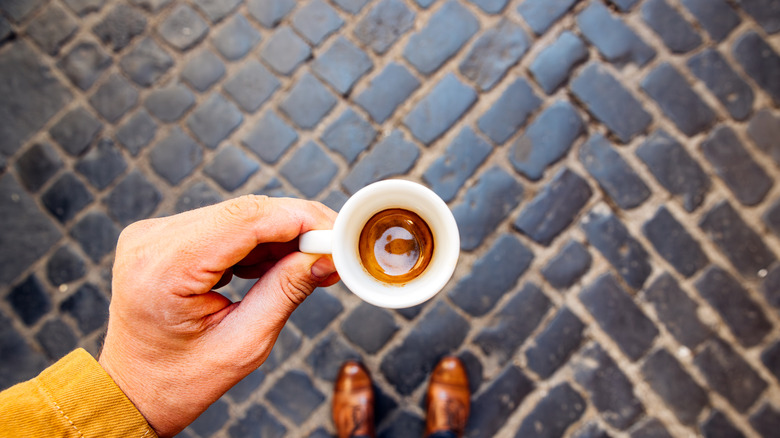
Unlike the full breakfasts you will find in other European countries, such as Ireland, the first meal of the day is not typically a sit-down affair in Italy. Instead, breakfast generally consists of two components: pastry and coffee. The pastries are usually sweet, such as a sfogliatella (flaky pastry with sweet ricotta filling), a cornetto (croissant-shaped, sometimes filled with custard or jam), biscotti, or maritozzi (brioche buns filled with whipped cream).
For coffee, you generally will have two main options to choose from: espresso (simply "caffé" in Italian) or cappuccino, which are usually served in small or medium sized cups, respectively. And, although Italian's usually don't take coffee "to-go," they might stand at a bar, eat, then continue on with their day. However, be aware that cappuccino is not really served after 11 a.m. because Italians consider it to be a breakfast drink only — the reason being that milk is considered too heavy for the afternoon and impedes digestion. If you do order one in the afternoon, you might get a confused look. However, in general, most places will still serve it, especially at a tourist's request.
This type of quick, light breakfast is common, but not universal, and you might find places with more variety and flexibility to cater to tourists' tastes. Some major hotels may even offer large, continental breakfasts. However, if you want to experience local culture, this sets the scene for the morning.
Lunch and dinner are later in the day
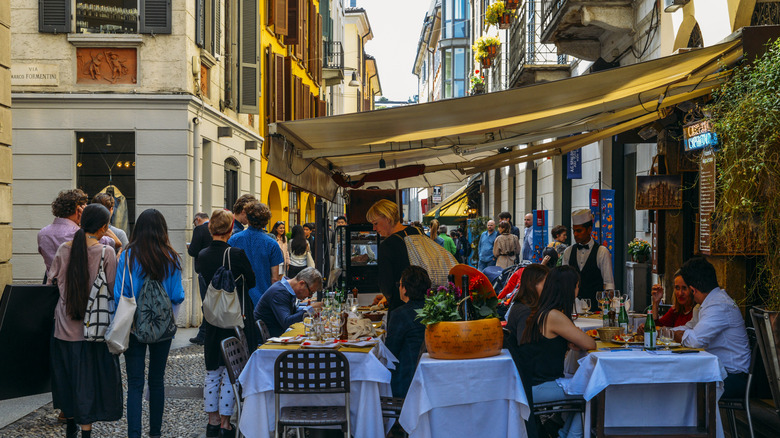
While all meals are considered important in Italy, more emphasis and effort are put into lunch and dinner. Lunch is the main meal of the day, and often lasts upwards of two hours. Generally served between 12:30 and 2 p.m., an Italian lunch will commonly consist of three courses: the primo (a pasta, risotto, or soup), the secondo (a meat or fish), and the contorno (a small side dish, typically a vegetable). Dessert is usually taken elsewhere and is generally a sweet fruit, pastry, or a scoop of gelato.
The size and time it takes to eat a classic Italian lunch means that dinner is going to be far later in the evening than most tourists are used to as well. Many restaurants close their doors around 2:30 p.m. and won't start serving dinner until they reopen, usually around 7:30 p.m. This, according to many Italians, is the optimal time for digestion before bed.
Because lunch is so large, dinner is a smaller affair by comparison. A similar course structure is observed, but the count is limited to smaller servings of a primo and secondo. After dinner, a digestivo — a small, alcoholic beverage — is served to aid with digestion. If you are peckish between meals, most bars will serve up small sandwiches and gelato shops are usually open to the wee hours of the morning if you fancy a midnight snack.
The best pizza is in Naples
As Rick Steves puts it: Naples is not for everyone. It's crowded, gritty, and the people there are considered to be more assertive and opinionated than in other parts of Italy. Crime can also be an issue in Naples, so you will want to be careful if you plan on visiting. However, there can be no repudiation when I say that Naples is worth the effort because you get the world's best pizza out of the deal.
Pizza is arguably the single most beloved Italian food. Served almost everywhere on the globe, this simple combination of dough, sauce, and cheese has its roots in Naples. As a result, the city is awash with pizzerias, and you would be hard pressed to find a better place in Italy for the beloved pie.
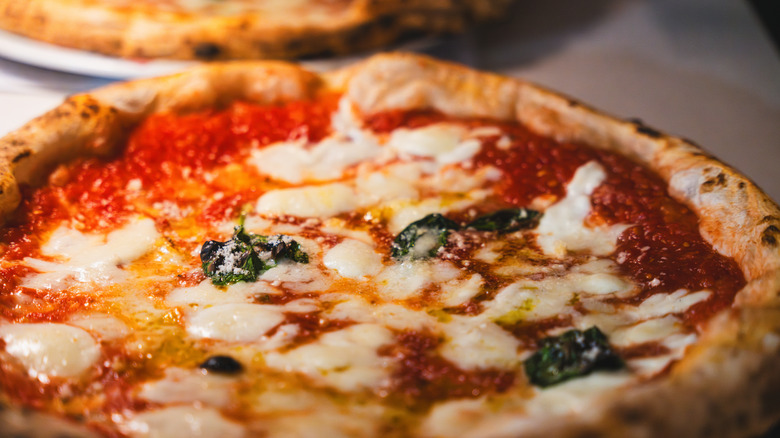
The single best pizza I ever had was in Naples. It came out of a hole-in-the-wall pizzeria on a forgotten side street. The classic Neapolitan pizza — tomato, mozzarella cheese, olive oil, and basil — was served with such precision and flare that it counted as its own art form. My recommendation would be to see where the locals are lining up to eat. Based on my experience, these are the best places to get pizza. However, you can go practically anywhere in Naples and be almost guaranteed to find a quality slice.
Find authentic gelato
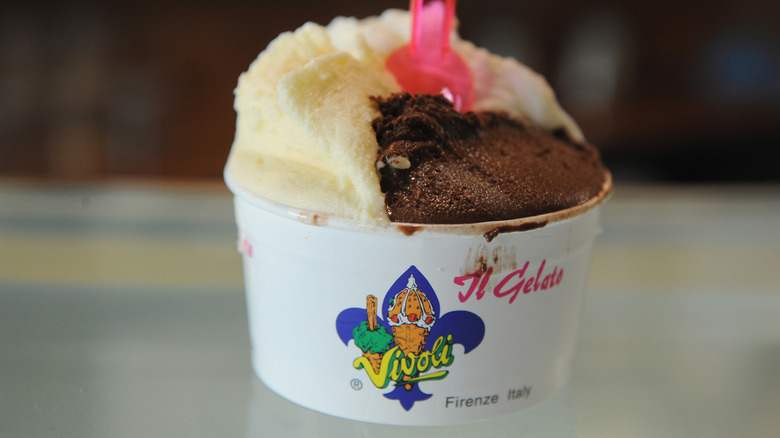
In the far eastern corner of Florence's Piazza del Duomo is a gelato shop known as Edoardo. From covered vats come scoops of the most wonderful gelato, with flavors ranging from simple vanilla and fig to Chianti and olive oil. My roommate and I used to get extra scoops from the servers because we ordered in Italian.
Gelato is a beloved treat for tourists and locals. Made from milk (as opposed to cream), gelato is churned slowly to give it a thicker, and, ironically, creamier texture. Nearly every major Italian city is rich in gelaterias, all of which come with numerous flavor options — and it's customary to order at least two flavors.
However, be on the lookout. As a tourist, you are very likely to see shops displaying their gelato in giant, colorful mounds that don't melt. These are not the places you find authentic gelato, as the product is filled with extra colors and additives to keep from melting. Instead, look for places like Edoardo, where the containers are covered and sunk deep into the cooling chamber. This is the gelato you want. It is made the authentic way using all natural ingredients. As such, it needs to be stored cold and out of direct light, lest it become a sloppy mess. So, while the display may not be as pretty, places that cover their gelato are always better.
Regional and traditional pride is real
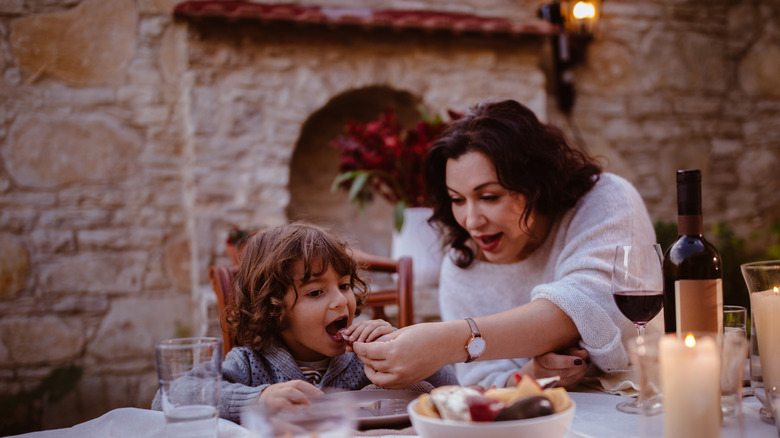
Here is a fun fact that you may not know: Despite its history stretching back to ancient times, modern Italy has only been a unified country since 1861. This fact becomes evident if you visit different regions of Italy during your visit. Regional and traditional pride is very real here. Things in the forgotten region of Molise are done differently than in Tuscany, Lazio, etc. Nowhere is this concept more evident than in the cuisine of Italy's 20 distinct regions.
While similar threads run through all Italian dishes, the way things are prepared and how ingredients are used can differ enormously from region to region. In the northern regions, for example, rice is generally dominant over pasta. As such, you're more likely to be given a plate of risotto in places like Milan or Turin. Tomatoes and seafood are more common in the southern regions, meaning tomato-based sauces and fish dishes are more common in Naples, Puglia, and Sicily.
Italians are very proud of their regional cuisine. This is important to keep in mind when you're traveling. If you want the most authentic Italian food during your trip, be open to the fact that you are not likely to find pasta bolognese in Venice or ribollita in Rome. Be sure to adjust your expectations and open your mind when considering where and what to eat.
Bread is life
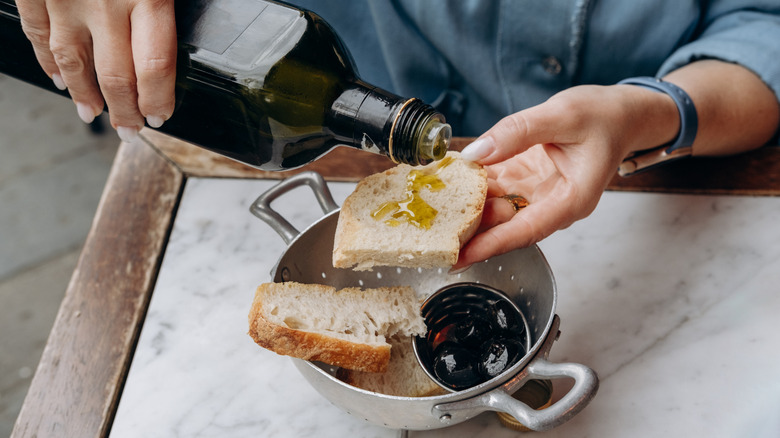
No Italian meal is complete without bread. Even though we just talked about regional differences, the one through line in Italian cuisine is that bread is the single most important thing on the table. It is, quite literally, life to an Italian family. Bread not only carries a deep spiritual and religious meaning, but it was also once the main means of survival for families for many centuries. This is why it has become so deeply revered in Italian culture.
This love of bread extends from the family table and into cafes and restaurants. When you sit down for a lunch or dinner in Italy, there will always be bread on the table. Always. Now, be aware that the type of bread changes from region to region. In Tuscany, for example, bread is made without salt so as to enliven the flavor of the oil it's served with. In Liguria, the crunchy and oily focaccia is a common breakfast item and serves as a delicious base for sandwiches.
There are plenty of other creative ways Italians have come to use bread. Ribollita, that Tuscan soup we mentioned earlier, is a vegetable stew thickened with stale, day old bread. Panzanella is another traditional Tuscan salad that revives chunks of stale bread with copious amounts of olive oil. There is always a use for bread in Italy. So, expect it to be served to you everywhere in the country.
Finish your meal
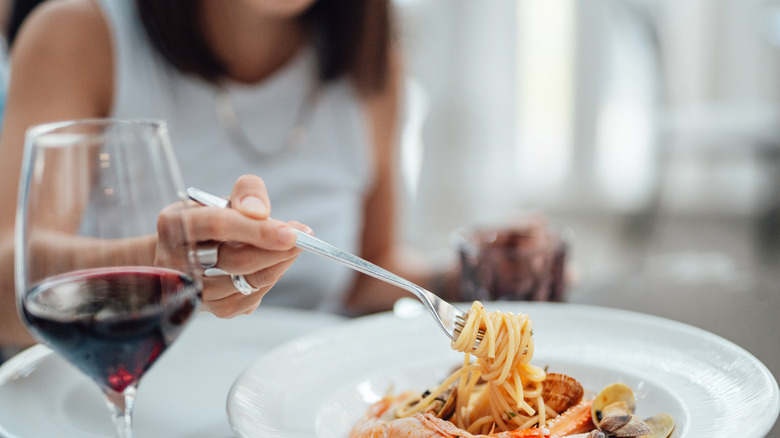
I've heard stories of my Italian-born great grandmother giving "the look" to anyone who didn't finish their dinner. This was, typically, followed by an enormous amount of guilt-tripping and coaxing that lasted until the plate was empty — and then promptly refilled. I never met her, but I can imagine her ferocity because, having been to Italy, that "look" is the attitude of most restaurants in the country.
I've personally seen arguments breakout between Italian chefs and American customers over food remaining on the plate. It seems stereotypical to say that Italians take it personally, but they do. They are therefore deeply insulted if you do not finish the food on your plate. It's also worth remembering: leftovers and doggie-bags are not a thing in Italy. When you are served food, they expect you to finish it, regardless of whether or not you liked it or are full. Otherwise, it's considered wasteful.
As a tourist, finishing your meal is a sign of respect both to the chef and the larger culture. Fortunately, portion sizes are not immense in Italy and the food is so good that you shouldn't have a problem finishing.
Know your dining venues
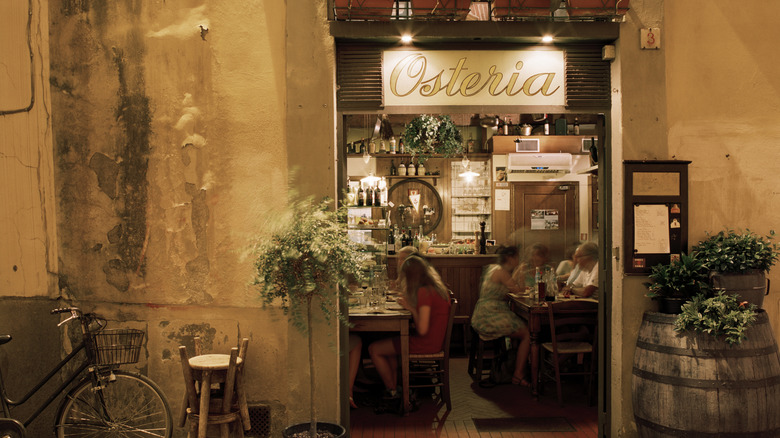
On any street in Italy, and you are bound to see the following signs: bar, trattoria, osteria, and ristorante. Each one represents a type of eating establishment. Knowing the difference between each is essential to figuring out where to eat, what the price will be, and what type of food will be served.
Many Italians call a typical, casual coffee shop (which might also serve alcohol later in the day) a "bar." The word "caffé" is usually in reference to the drink itself. There are, however, historic, formal establishments that use the word "caffé," such as the Caffè Florian in Venice. Otherwise, a place that strictly serves coffee (or is akin to a self-serve kiosk) might also be called a "caffetteria." Osterias operate in a similar way. Thanks to their roots as inns or cafeterias that catered to the working class, osterias are where you can find plenty of locals and traditional food. Menus are ever changing and always affordable.
Trattorias are similar in that they shine a light on the fare of the region. In Rome, for instance, a trattoria would be the place to find cacio e pepe or pasta carbonara. They are very often family-owned and have a more set menu than an osteria, but remain a great, budget-friendly option. For a more refined and catered dining experience, head to a ristorante. These are usually the home of more professional chefs, have a unique menu, and an expanded wine list. Prices are higher, but the food is usually more upscale and chef-centric than you'll find elsewhere.
Have an allergy? Order wisely
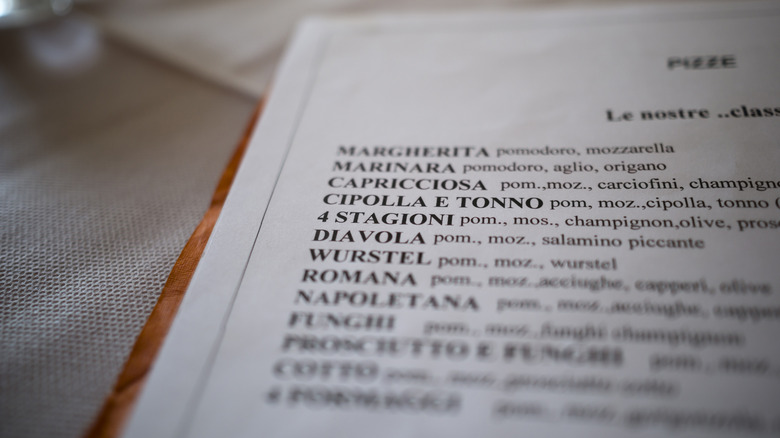
Traveling in Italy with a food sensitivity, specialty diet, or allergy is a lot easier today than it was even a decade ago. I recall my vegetarian roommate having some trouble when it came to getting menu items changed. Remember, Italians have very strong opinions about food, and are therefore sensitive about folks asking for alterations. However, they are not totally against it. Most Italians want you to be able to enjoy their food, and will work with you if you are polite and understanding.
In major tourist areas, like Rome, Florence, Venice, or Milan, restaurants have come around to offering vegan, vegetarian, and dairy-free options, as well as indicating which menu items might contain common allergens. Funnily enough, despite all the pasta, bread, and pizza, Italy is actually considered the best country in Europe to eat if you are gluten-free. However, there is still a need to be savvy.
If you are exploring some more off-the-beaten-path areas, menus or restaurants might be less likely to cater to your diet or allergy needs. In that case, you need to figure out what will work best for your eating preferences. In these situations, it's a little easier to order meals that maybe already fit into your diet naturally, rather than have to ask for a substitution (or, in rare and extreme cases, get in an argument with the chef). Thankfully, the wide variety of fresh ingredients available in Italy make this task rather easy.
Italians eat with the seasons
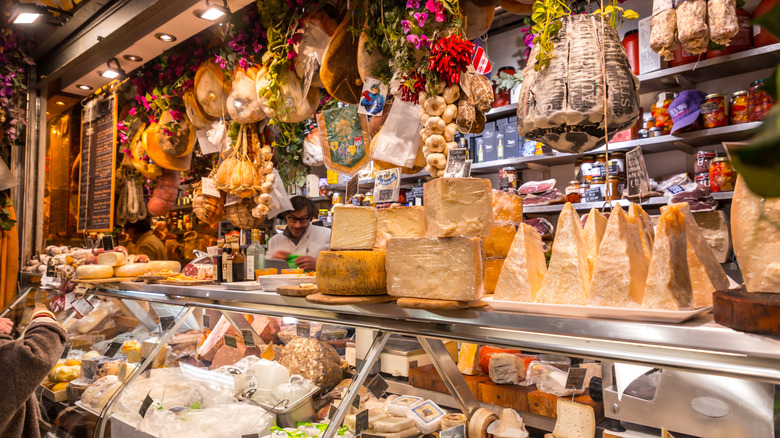
The most Italian moment I've ever experienced was being lectured by an Italian cooking teacher on the health benefits of eating seasonally, all while she rolled and smoked a whole cigarette. But in that I learned a truth: Italians only want to eat the best. They are not really interested in fast food, at least not the way we understand it. They demand that their ingredients be top quality, which one of the reasons they eat seasonally.
Consuming seasonal produce and products means that they are enjoyed when they are their most flavorful. There is a saying that you've never tasted a tomato unless it's picked fresh off the vine. This is true. Fresh food is universally more flavorful than when it's grown and eaten in its respective season.
As such, eating the produce of whatever season you are in is going to unlock the key to getting the most out of your food. The best time of year to visit Italy is November through April, which gives you excellent eating options. Winter is great for root vegetables, meat, and pasta, while the spring thaw brings leafy greens, beans, and cherries to the table. Summer is the time for fresh fruit, while fall is best for stews, apples, the olive harvest, and truffles. All said, no matter what time of year it is, there is going to be something amazing to eat.
Wine complements food
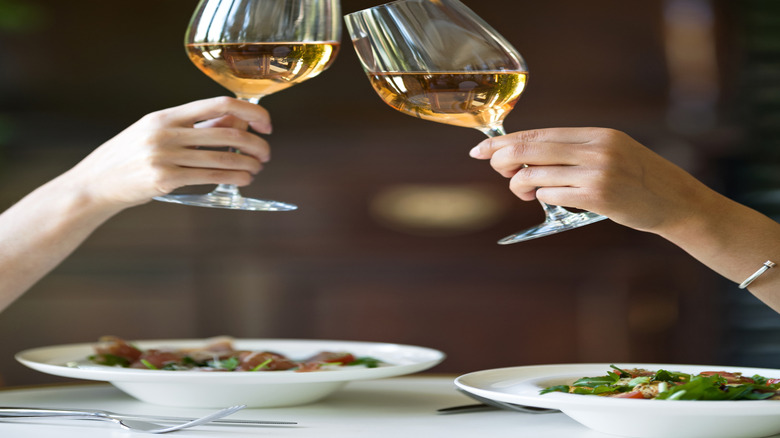
I was spoiled when it came to wine in Tuscany. I lived in the best wine region in Italy and I got to enjoy bottles of the best Chianti and Montepulciano red wines on a regular basis. Wine, like bread, is an essential element of an Italian meal. It is the preferred drink, holding status over cocktails and beer. However, unlike in the United States, where drinking is seen as more of a social activity, in Italy drinking is almost always paired with a meal.
This is a common practice in all European wine-producing countries. The wine is meant to complement the food, elevating flavors and enhancing the overall experience. Depending on where you are in Italy, the wine you end up drinking will be directly paired with the cuisine of the region. Not only does this make pairing exceptionally easy, but it also provides a full culinary experience.
Italy has a mix of red, white, sparkling, and rose wines. The reds are commonly rich in body and flavor, while the whites tend to be more crisp and acidic. Common wines in Italy include Barolo, Pinot Grigio, Sangiovese, Barbera, Vermentino, Lambrusco, and Prosecco. If you're up for something a little adventurous, the Franciacorta region is stunningly beautiful, criminally underrated, and produces some truly fabulous sparkling wines.
Don't be afraid to try something new
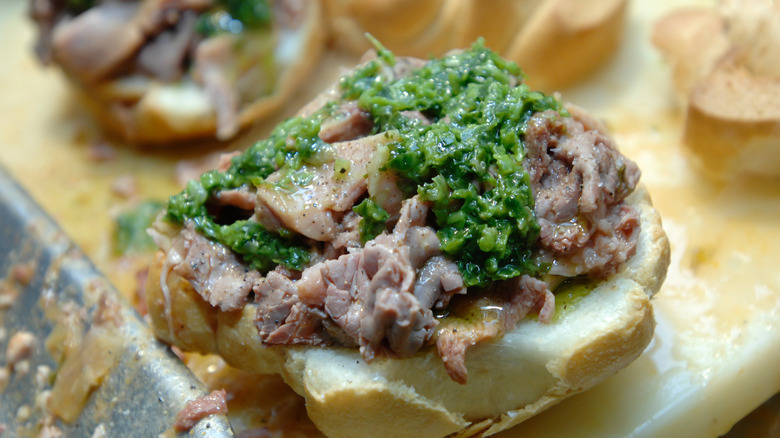
Thanks to its international status, Italian food is easily approachable for most tourists. However, if you are one who likes to try things that are a little out of the ordinary, Italy still has plenty of options for you. With a long history of using as much of an ingredient as they can, Italians have found a way to make even the "strangest" foods taste absolutely amazing.
One I'm particularly fond of is lampredotto, a Tuscan sandwich of bovine stomach (tripe) that's been cooked with a bunch of aromatics, and served on Tuscan bread with green sauce. Other regional fare from around Italy includes casu marzu (maggot cheese from Sardinia), cortella (an Umbrian stew of lamb offal), pajata (Roman rigatoni mixed with calf intestine), and blood cake, which has variations throughout the country.
Overall, eating in Italy is pretty easy. There are rules to follow for sure, and you will certainly run into more than a few differing opinions on your trip. However, regardless of what you are eating, enjoying a meal in Italy is a tremendous, flavorful affair that is sure to make you want to return again and again.