
France's Oldest National Park Is A Gem In The Alps With Crystal Clear Lake Hikes, Waterfalls, And Unique Wildlife
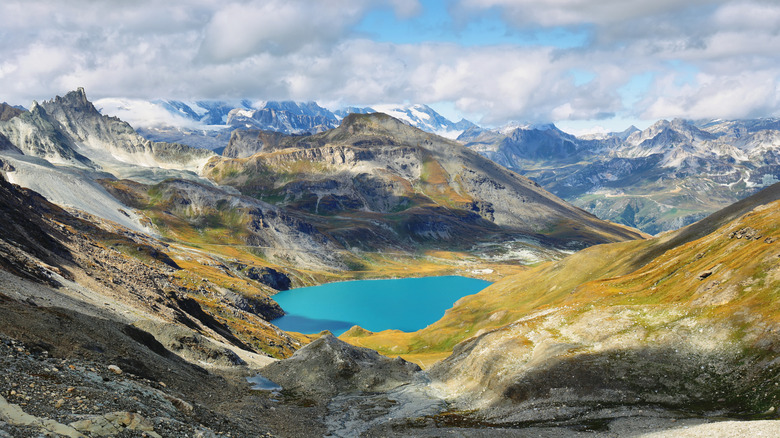
Mother Nature gave France some serious gifts. From the sweeping beaches of the Atlantic Coast, across the vineyards of Champagne, and down to the sparkling bays of the Côte d'Azur, it rolls across some utterly breathtaking parts of the European continent. But, even with all that, there was one spot that warranted protection and special status before all others in these parts: Vanoise National Park.
You'll need to look all the way back to 1963 to uncover its beginnings. It was then, in a time when Stevie Wonder graced the U.S. pop charts, that this colossal cut-out of Savoie was designated a national preserve after a campaign spearheaded by a local mayor concerned for the welfare of the native chamois and ibex. Thing is, being the oldest is really just the beginning. Look closer, and it transpires that the Vanoise is actually a beehive of superlatives and striking stats: It covers a mind-blowing 206 square miles and has 12,600-foot-high peaks dashed with glaciers. Of course, it's a veritable hiking mecca — there's something like 250 miles of marked trails within the park, including one of the most iconic long-distance treks in France, and shorter family hikes that'll take you to lakes and waterfalls and more.
All that got the wanderlust fizzing like a bottle of French bubbly? To get here, you should aim for one of the handful of airports that serve the country's long curve of the Alps. They include Lyon–Saint Exupéry Airport (LYS) and Geneva International Airport (GVA); both major international hubs, both just short of a 3-hour drive from the park. Or there's the smaller Grenoble Alpes Isère Airport (GNB), about the same distance away. Unlike in the States, where national parks can mean expensive entrance fees, access here is totally free.
Vanoise National Park was formed to protect an array of wildlife
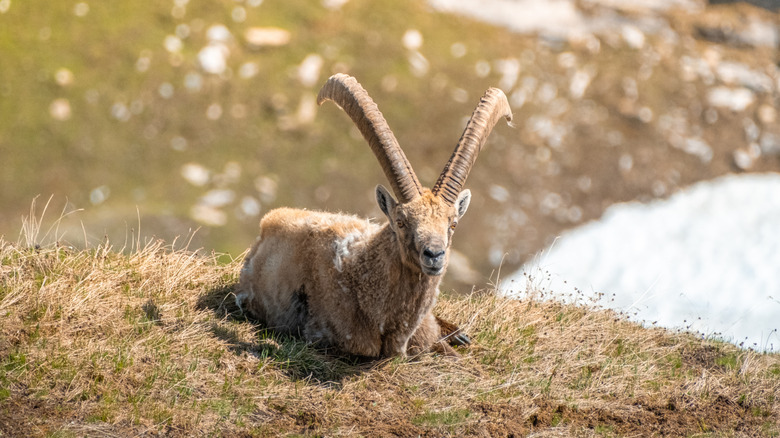
Wildlife protection was the very raison d'être of Vanoise National Park at its founding back in the '60s, so it should hardly come as a surprise that fauna and flora remain major draws. It's quite startling what lives here — everything from scurrying marmots to muscular highland goats and rare forest plant species abounds.
The Alpine ibex, a huge mountain goat that can grow horns over 3 feet long, stands out, largely because it was once almost completely extinct in Europe — they say there were only around one hundred individuals left in the early 1800s. Today, population estimates vary between 2,000 and 3,000, but most agree that the Vanoise has the largest ibex colony in the country. They're able to move between here and neighboring Gran Paradiso, Italy's oldest national park, and are typically found in higher parts of the reserve, in the thinner forests just below the snow line.
Take a moment to look to the skies and spot the native birds as you hike, too. This land brings potential sightings of the strange rock ptarmigan, a bird that changes its color with the seasons, while the global bird database Avibase lists a whole host of raptors, from vultures to golden eagles and red kites.
Hiking between lakes, peaks, and waterfalls in Vanoise National Park
From the seemingly endless slopes of Les Trois Vallées, the largest ski area in the world, to the famous Tour du Mont Blanc, the hiking trail that enamored Rick Steves, the southeastern corner of France has more natural wonders than you can shake a block of reblochon cheese at. But, even among those big-hitters, the great reserve at the Vanoise is famed for its seriously dramatic scenery and epic hiking routes.
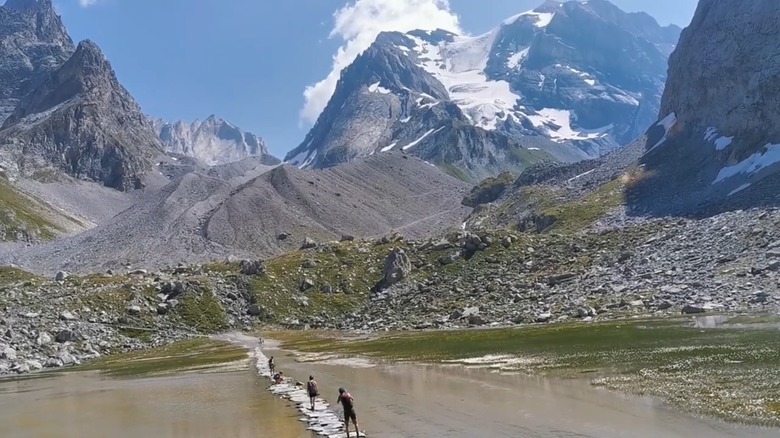
Cue the Tour du Vanoise, and its little brother the Tour des Glaciers de la Vanoise. The first is a nigh-on 100-mile odyssey that spreads like the wings of a butterfly through the east and west sides of the reserve, zipping through cute alpine hamlets and past glistening, gin-clear lakes. The shorter Tour des Glaciers, meanwhile, can be done in as little as four days, but packs in extra challenges as it traverses some of the highest peaks in the region. These two paths hit a zenith when they cross the legendary Lac des Vaches, a lake huddled in the shadow of the jagged Grande Casse mountain that walkers go right over on stepping stones. Not in for the long haul? Don't worry, because that stunning spot can also be reached via a shorter day-hike trail, too.
Then there are the waterfalls. A summertime path can take you up to the La Fraîche waterfall from the village of Pralongan. You can do a one-hour there-and-back or turn it into a longer loop. Either offers an encounter with a rushing cascade hidden among lush forests, and a chance to spot daring via ferrata climbers scrambling up the cliffs alongside. On the opposite side of the reserve, the Py Waterfall has been called one of the jewels of the park for its 260-foot drop. It's one of the first of many jaw-dropping sights on offer on the longer Vallaisonnay trek, a two- to five-day route that includes more lake-studded valleys and high alpine passes.