
This European City With The Largest Population In Austria Is Known For Tasty Eats, Stunning Palaces, And Museums
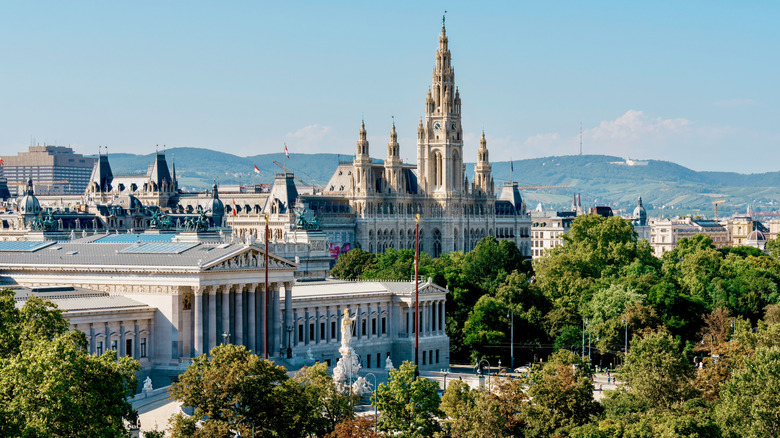
While Vienna has the largest population in Austria, it is known for being a city more focused on art, music, and a slower lifestyle. The capital has a population of more than 1.9 million people, compared to the second most populated city in Austria, Graz, with just over 300,000 residents. As you navigate Vienna, you'll find that the public transportation is very well-developed, with the subway even running 24 hours a day on weekends. Vienna is recognized as one of the top European cities with the best public transportation systems. This is helpful when you fly into the area too, because getting from the airport to Vienna Central is roughly a 20-minute drive or train ride.
The best times to visit Vienna are spring or fall, unless you want to catch the Christmas markets in December. Coming during the shoulder seasons can help you avoid some of the heat and crowds that come with the busy summer season. First time visitors are recommended to stay in the Inner City district, in order to be close to the main attractions. Depending on where you stay, the average cost of a hotel is between €120 and €250 a night (roughly $140-290/night). Wherever you end up staying in the city, make sure to soak up the historic architecture and try a local eatery near your hotel.
A taste of Vienna
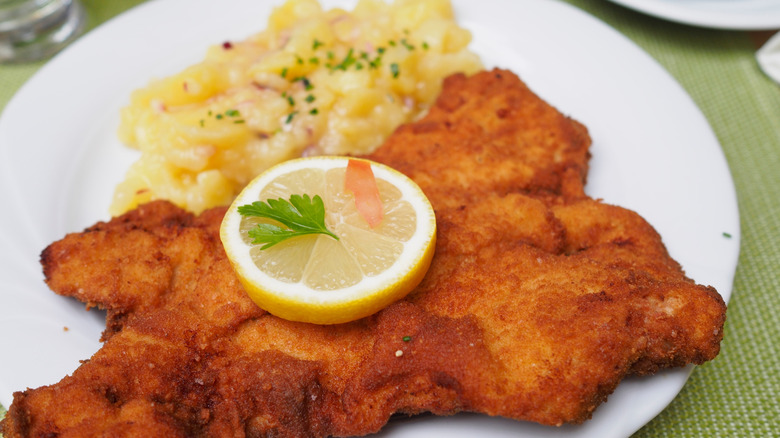
To try some delicious food and do a bit of souvenir shopping in the capital city, head over to the popular food market Naschmarkt. The market has more than 130 stalls with a bit of everything, from produce and spices to full sit-down restaurants. If you want to grab a glass of wine, there are several places within the market, including those with wine tastings. To further tap into Vienna's unforgettable wine culture, you can take a roughly 30-minute drive from Vienna Central to an even larger hub of wine gardens in Nussdorf tucked outside of the city. Before you mark your foodie journey in Vienna complete, stop by a confectionary to grab some sweet treats. One of the most iconic confectionaries is Demel, known for making pastries for royalty.
Vienna is famous for its coffee culture — it is full of tradition and encourages you to enjoy your coffee without rushing out the door. Vienna treats their coffee houses more like a community ritual then a quick stop, with your coffee brought over to your table on a silver tray and newspapers in the stand for you to grab. For your first coffee, try the Melange, which is coffee with frothed milk and is a local favorite. One of the most popular coffee houses is Café Central in the Inner City. Since it's busy, try going early in the morning for a chance at shorter lines.
Learn about Vienna's history
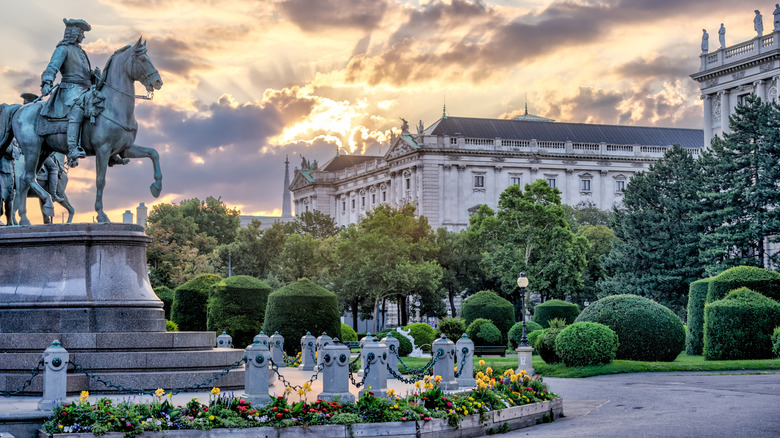
Explore Vienna's deep roots in European history by touring palaces and museums sprinkled throughout the city. There are so many museums in Vienna that you have to narrow it down to the most popular or a specific niche you want to learn more about. Out of the roughly 100 museums in Vienna, there are a handful that are must-visits for most tourists. Soak up the impressive architecture and internationally renowned art collection at Kunsthistorisches Museum. Three other art museums are at the top of the list according to Vienna Tourism: Belvedere, Leopold Museum, and Albertina. Vienna's historic impact doesn't stop with royal families either — as the city was home to composers such as Mozart and Beethoven, there are several museums dedicated to honoring their lives and work.
Along with the museums, palaces are an important part of Vienna. One palace to put on your itinerary is the Habsburg working palace, which helps you get an idea of the importance and impact of the Habsburg family. You can look at where they lived and worked through the Hofburg Imperial Apartments, the Sisi Museum, and the Silver Collection. For more opulence, go the separate Imperial Treasury to see the crown jewels. Schönbrunn Palace was home to the Habsburg emperors and is recognized as a UNESCO Heritage Site. The gardens and grounds are worth a visit of their own.