
Between San Diego And The Mexico Border Is A Scenic Refuge With Wetland Trails, Ocean Views, And Wildlife
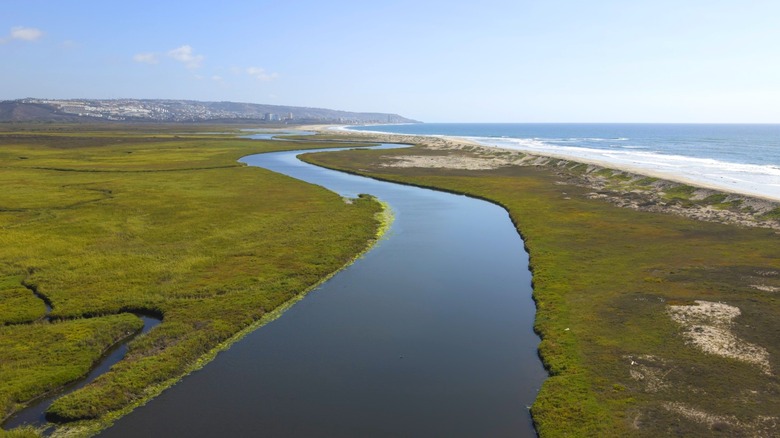
California teems with all kinds of flora and fauna, so if you're looking for a place to explore the wilds near San Diego, consider a trip down to the Tijuana Slough National Wildlife Refuge. This scenic stretch of wetlands spans a little over 1,000 acres, just a few miles north of the United States-Mexico border, as the crow flies. The preserve is completely free to visit, as of the time of writing, and is open from sunup to sundown throughout the year.
The Tijuana Slough National Wildlife Refuge encompasses the upper section of the Tijuana River National Estuarine Research Reserve in Imperial Beach. The 2,800-acre conservation zone was created in the early 1980s to protect and manage the Tijuana Estuary — the largest patch of coastal wetlands in all of Southern California. The coastal estuary spreads out from the mouth of the Tijuana River, right along the Pacific Ocean, and is the only one of its kind left in San Diego County that hasn't been split by railroad tracks or a highway.
There are major roadways nearby, including the State Route 75 and Interstate 5, so the Tijuana Slough National Wildlife Refuge isn't hard to get to. Downtown San Diego is only about 15 miles to the north, while the Mexican border city of Tijuana is just a few miles to the south. The wildlife sanctuary is a haven for all kinds of native and migratory critters, so keep your eyes peeled as you walk the wetland trails. You may even be able to spot a whale leaping out of the ocean as you stroll along the shoreline.
Explore the coastal wetlands around the Tijuana Slough National Wildlife Refuge
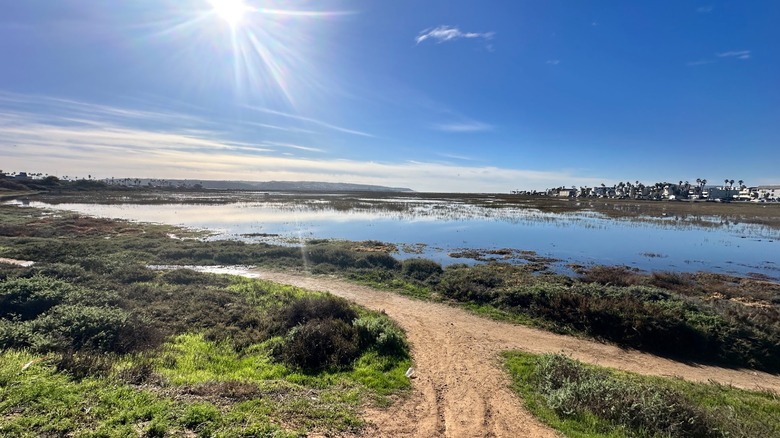
Depending on when you opt to visit, you can start your Tijuana Slough National Wildlife Refuge excursion at the Tijuana Estuary Visitor Center. The facility sits on the north side of the refuge and is usually open Wednesdays through Sundays from 10 a.m. to 5 p.m. local time. Peruse exhibits on the estuary's plants and animals before hiking the grounds. The refuge has several scenic paths to explore, with trail maps available at the Visitor Center (or you can download one online).
The North McCoy, River Mouth, and South McCoy trails are the most popular to tackle on AllTrails, where they're collectively called the Tijuana Estuary Trail. Altogether, they span a little over 4.5 miles roundtrip. Enjoy a leisurely stroll through the lush wetlands, crossing over wooden bridges to get a better view of the marshy landscape below. "So peaceful and an abundance of native blooms," one hiker shared in a review.
The Imperial Beach Shoreline Trail is another favorite, covering about the same amount of ground by the ocean, where whales, dolphins, and other sea creatures have been known to make a splash. The refuge is located next to a U.S. Navy aviation facility, so it may get a bit noisy in certain sections. It's also important to note that Imperial Beach has faced closures due to extreme contamination in recent years, so the beach areas and waters are off limits.
Species to spot around the Tijuana Slough National Wildlife Refuge
You can spot a slew of other sea creatures splashing about around the coastal wetlands of the Tijuana Slough National Wildlife Refuge and surrounding Tijuana Estuary area. A variety of fish and crabs call the salt marshes home. Smaller shark species, such as leopard and gray smooth-hound sharks, have also been known to swim about the shallow tidal channels. You may see some coyotes and gray foxes prowling about on dry land. Furry jackrabbits and opossums also call the grounds home, along with a variety of snakes, so keep your eyes peeled. "Watch out for rattlesnakes in the afternoon and the hundreds of cottontail bunnies crossing the path in the morning," one hiker shared in a Google review.
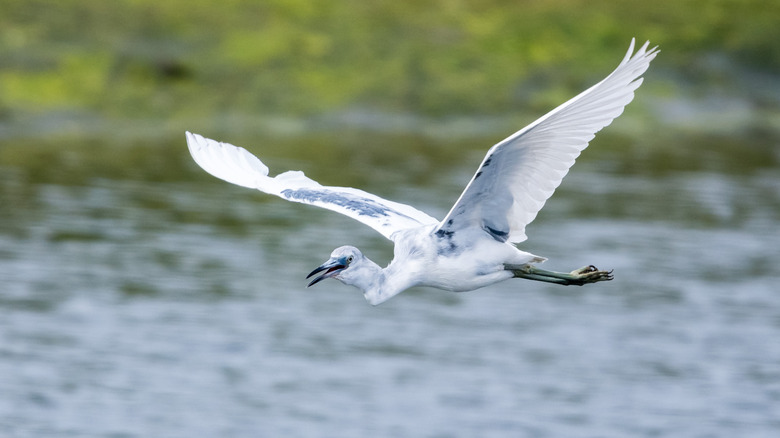
The wildlife refuge is also a critical stopover on the Pacific Flyway, a major migratory route for birds that runs from the Alaskan Arctic all the way down to Tierra del Fuego in South America. According to the U.S. Fish & Wildlife Service, a whopping 370 different kinds of birds have been recorded in the sanctuary, including several rare and endangered species — trumping some of the best birdwatching destinations in the U.S. Bring a pair of binoculars and try to spot notable birds like California least terns, California gnatcatchers, least Bell's vireos, and reddish egrets. If you want to explore more of the area, California's underrated beachside city of Chula Vista is right next door.