
Green Bay's Largest Park Is An Idyllic Nature Escape With Scenic Trails And Wildlife
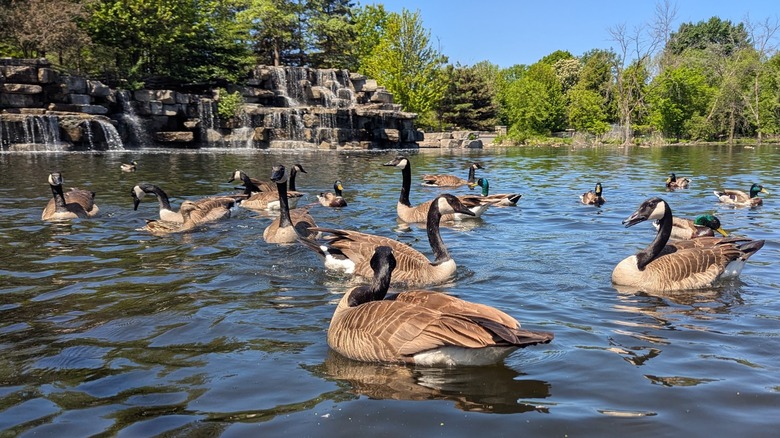
With scenic trail systems and year-round waterfront and park activities, Green Bay certainly doesn't lack outdoor recreation. This city boasts one of Wisconsin's largest wildlife rehabilitation programs — located on the grounds of an idyllic wildlife sanctuary. At 535 acres, the Bay Beach Wildlife Sanctuary is Green Bay's largest park, providing a calm nature escape. The urban refuge rescues injured animals and protects natural habitats, all while offering public recreation and education. "You can watch geese in the lake, enjoy the sound of the waterfall, take a quiet walk through the reeds, and end with a walk near the deer area to learn about some history of the area," one past visitor wrote on Google Reviews.
Established in 1936, the Bay Beach Wildlife Sanctuary takes in more than 6,500 sick, injured, or young animals every year to nurse them back to health. Many native species that can no longer survive safely in the wild live at the park — you're welcome to say hello and feed them. You can learn more about them at the nature center, which is full of educational exhibits. Besides caring for wildlife, the refuge features activities like hiking and fishing. There are miles of beautiful paths winding through wetlands and woods, with plenty of wildlife sightings along the way. These routes turn into cross-country skiing trails during the winter.
Fishing is available at the Bay Beach Wildlife Sanctuary, specifically at Manger Lagoon. This body of water is strictly for kids, the elderly, and disabled anglers. You can experience these activities year-round without breaking the bank — admission to the wildlife sanctuary is free. Unfortunately, the refuge isn't pet-friendly for the safety of the wildlife. You can reach the sanctuary from downtown Green Bay in 10 minutes.
Hiking the trails at the Bay Beach Wildlife Sanctuary
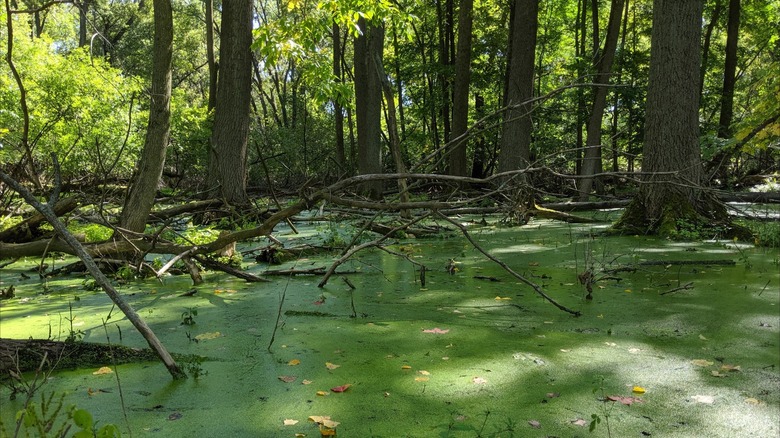
There are a number of trails worth exploring at the Bay Beach Wildlife Sanctuary, all of which are easy to complete. With a 4.8-mile network, you can go on short strolls or longer walks, all providing ample opportunities for wildlife viewing. Start with the one-mile Red Fox Loop, a combination of the Woodchuck Trail and Chipmunk Trail, which takes you near the Whirligig Pond. This flat, out-and-back path guides you toward the forests and swampy areas, where you have the chance to observe white-tailed deer, wild turkeys, and Canada geese. Red foxes are also commonly seen along the trail.
If you're looking to lengthen the route, combine it with the Hussong and Woodchuck Pond Loop for a 1.8-mile hike. The terrain switches from boardwalk sections to natural surface, taking you past the wetland areas. Be on the lookout for muskrats, garter snakes, and rabbits. Several hikers have mentioned this being a great birdwatching trail. You'll come across red-bellied woodpeckers, least flycatchers, sandhill cranes, and black-crowned night herons. Blue jays, cedar waxwings, and northern flickers are also common. The sanctuary might not be some of the best birdwatching destinations in the U.S., but it's nothing to scoff at.
For an even longer journey, take the Woodchuck, Hussong, Squirrel, and Raccoon Loop. Stretching for 4.3 miles, this trail leads you from lush trees and seasonal wildflower displays to the sanctuary's marshy areas. Along the way, you might come across gray wolves, common ravens, and wood ducks. Other animals that call this place their home include northern raccoons, coyotes, and more. Don't forget to carry bug spray with you on your hikes. The trails are strictly reserved for hikers — you cannot bring your bike. Alternatively, head there in the winter after snowfall for cross-country skiing along the groomed trails.
Bay Beach features ADA fishing for community outreach groups
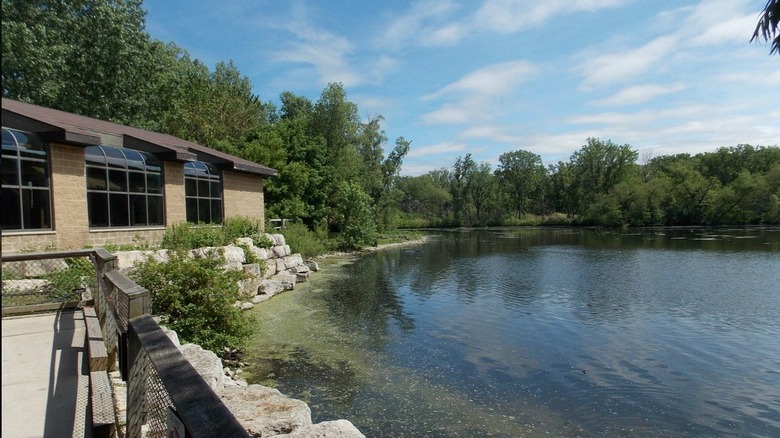
While the Bay Beach Wildlife Sanctuary is open for fishing, the activity is intended for specific groups of people. Senior citizens, children aged 16 and under, and disabled individuals are allowed to set their rods on Manger Lagoon — disabled anglers must have a license to fish here. With 55 acres of water surface, the pond is equipped with an ADA-accessible fishing pier. Bring your affordable and portable Plusinno telescopic fishing rod to catch muskie, bluegill, largemouth, and smallmouth bass.
There are strict rules regarding fishing at the sanctuary. For starters, you cannot launch a vessel on the water — you can only enjoy pier and shoreline fishing. Not only that, but you can only fish in two areas of the park. The designated zones are the East Shore Drive shoreline of Manger Lagoon and the area by the dock and gazebo. The maximum catch is one bass daily, three trout, or 10 bluegills. Catch-and-release fishing is also permitted.
As for handling the fishing gear, loose fishing line can harm the local wildlife, so always discard it (along with other terminal tackle) in the garbage. Manger Lagoon is also off-limits for ice fishing. Green Bay is one of the Midwest's most affordable places to live (and famous for entertainment), so it comes as no surprise that the sanctuary offers free activities to the public. As one past visitor put it on Google Reviews: "For the price of free. We couldn't ask for more." On your way out, stop by the gift shop to browse their shirts, caps, plush toys, and mug collections.