
Under An Hour From Pittsburgh Is Pennsylvania's Historic City For A Day Trip With Nature Walks And Park Beauty
Most people know Allegheny County's largest city, Pittsburgh, but the second-largest is more under the radar — and less definitive. At its height in the 1940s, the bustling city of McKeesport was home to more than 55,000 people. Today, McKeesport is still technically the second-biggest of the county's four officially designated cities, but its population of around 17,000, per the U.S. Census Bureau, puts it closer in size and feel to Pittsburgh suburbs like West Mifflin and Scott Township.
The same thing that prompted McKeesport's growth was also the catalyst of its decline: the steel industry. For over a hundred years, it was the location of the National Tube Works, one of the many steel production plants operating under the U.S. Steel umbrella. Those steel mill jobs drew people from around the world, turning McKeesport into a vibrant melting pot. The town still celebrates that identity with its yearly International Village festival. Every August, you can head to Renziehausen Park to check out dancing, music, and food from the many cultures that call McKeesport home.
Located about a half-hour drive southeast of Pittsburgh, at the confluence of the Youghiogheny and Monongahela Rivers, McKeesport is an easy day trip from the larger city and has a lot to explore, even if you're not in town during the International Village festival. This hidden gem of a former steel town is an appealing destination for history buffs, with a story that stretches back to before the American Revolution. Its Renziehausen Park is travel worthy in its own right, with a sprawling garden, a fishing pond, and summer concerts for visitors to enjoy. For outdoor adventurers, McKeesport's extensive trails and tranquil Dead Man's Hollow Conservation Area offer lots of opportunities to hike, bike, and enjoy Western Pennsylvania's natural beauty.
Exploring history in McKeesport
The first future American to visit this area was none other than George Washington. In 1753, he stopped at the mouth of the Youghiogheny River to visit Seneca ruler Queen Alliquippa. The first permanent settlers didn't arrive until 1768, when the namesake McKee family established a ferry business (hence the name McKee's Port). Similar to the nearby riverside community of Monessen, a steel town near Pittsburgh with diners and nostalgic charm, McKeesport's early growth was driven by industry, first coal mines in the 1830s then steel after the first mill went up in 1851, which remained the town's main industry until the 1980s.
Visitors to McKeesport today can learn more about this history at the McKeesport Regional History & Heritage Center. Its seven rooms include exhibits on Washington's visit, the McKee family, and the steel boom years, while outside visitors can tour the town's first schoolhouse, dating to 1832. You can visit the Heritage Center for free on Tuesday, Thursday, and Saturday afternoons.
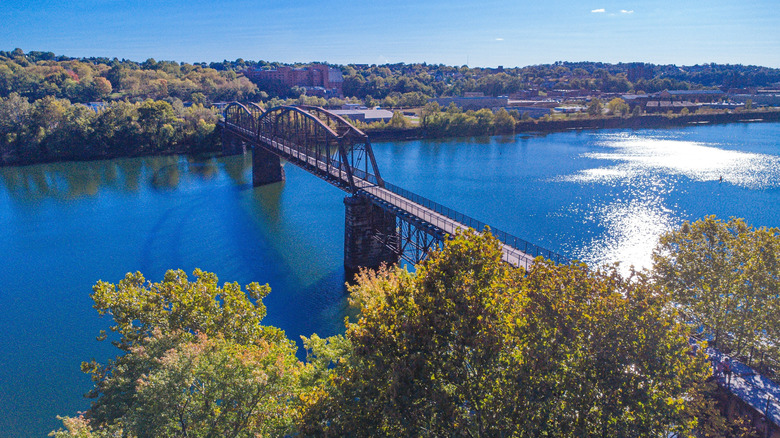
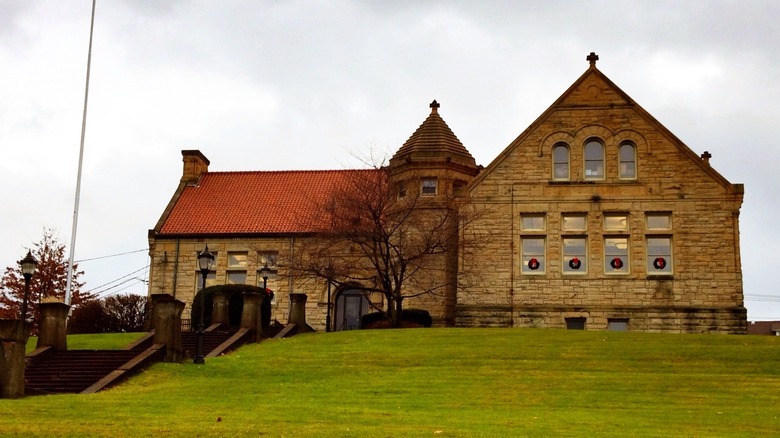
The schoolhouse isn't the only historic building in McKeesport. The Carnegie Library of McKeesport is one of the many buildings funded by industrialist Andrew Carnegie. Its grand stone exterior was designed by architect William J. East and first opened in 1902. The Bank of McKeesport Building at the corner of 5th Avenue and Sinclair Street dates to a similar era, completed in 1891. Visitors with an interest in railroad history should stop by the McKeesport Connecting Railroad Bridge (or Riverton Bridge, as it's also known). Built in 1891, this two-span truss bridge over the Monongahela River was retrofitted for pedestrians in 2008 and is today used by travelers on the Great Allegheny Passage rail-trail. You can also follow the GAP trail west along the river to see an abandoned 1906 roundhouse.
Nature and parks in McKeesport
The Great Allegheny Passage (GAP Trail), an epic 150-mile trail through state parks and historic sites, runs through McKeesport. Visitors can follow it northwest to Pittsburgh, about 16 miles away, or take the trail south for over 100 miles to cross the border into Maryland. McKeesport is also a connection point between the GAP Trail and the 47-mile Montour Trail, which you can reach by taking the 5-mile Clairton Connector. From there, you can follow the Montour Trail west and north as far as the hidden Montour Woods nature preserve outside of Pittsburgh.
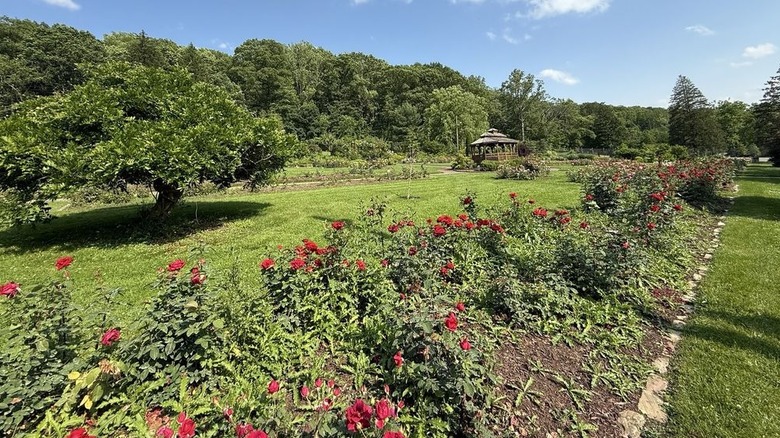
You can also enjoy the outdoors right in McKeesport. The 205-acre Renziehausen Park is particularly beautiful in the summer, when over 1,800 flowers bloom in the Renzie Rose Garden, a community-maintained arboretum established in 1938. The Garden Club of McKeesport also maintains Renziehausen Park's butterfly garden and herb garden and hosts five teas between May and October, where you can eat elegant Victorian fare while enjoying the colorful blooms. Anglers visiting Renzie Park can cast their lines at Lake Emilie, which is typically stocked with trout for the start of trout fishing season in early April and is also home to carp, channel catfish, and largemouth bass.
For a more secluded nature escape, head a few miles south of Renzie Park to Dead Man's Hollow Conservation Area. This densely wooded area is crossed by 8 miles of trails and is particularly appealing for birders. The more than 130 species spotted in the preserve include migrating songbirds like Kentucky Warblers and Yellow-Throated Vireos that aren't commonly seen in the region. There is history in Dead Man's Hollow, too, where you can see the remains of a century-old pipe factory and 19th-century quarry as you meander through the greenery.