
Halfway Between Blackpool And Leeds Is England's Market Town Beauty With Shops, Cafes, And Canal Views
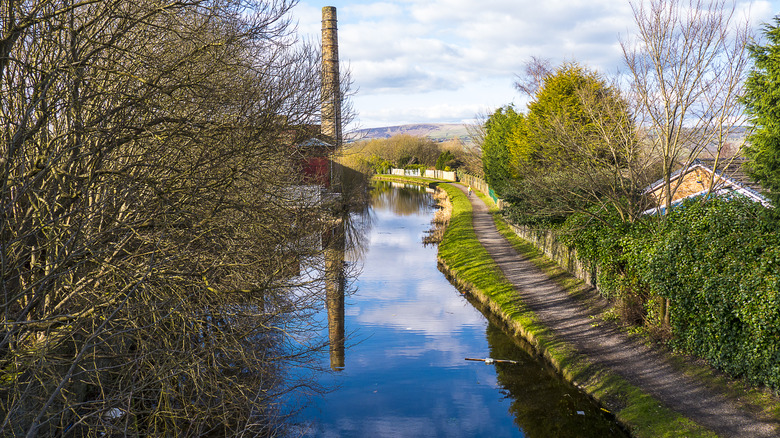
If independent shops, cozy cafés, a traditional English market, and waterside walks sound more appealing than the crowds of a major city, there's a quieter town tucked into the Lancashire countryside that's waiting for you. Historic stone buildings sit against the surrounding Pennine landscape, remnants of the region's cotton industry line a peaceful canal, and dozens of cafés and coffee shops are scattered throughout the town center and beyond. This is Burnley, an East Lancashire market town roughly halfway between the seaside attractions of Blackpool and the city buzz of Leeds.
Burnley grew from a market town into one of Britain's major cotton-producing centers during the Industrial Revolution, and traces of both eras remain. Burnley Market dates its history to 1294, while old mills and warehouses still stand along the Leeds and Liverpool Canal. Independent businesses fill the town center, and artistic statues like the Singing Ringing Tree, a wind-powered sculpture, overlook the surrounding countryside. Towneley Hall, a historic house and museum set within 445 acres of parkland, offers another glimpse into the area's past.
Named the friendliest town in the UK by The Times, Burnley draws around 2.2 million visitors a year. Travelers can spend the morning over coffee in town, browse local shops and market stalls, then follow the canal past buildings tied to Burnley's industrial past. The town sits about 36 miles from Leeds and 33 miles from Blackpool, England's Own 'Coney Island', with rail service through Burnley Manchester Road Station.
Spend a slow afternoon exploring Burnley
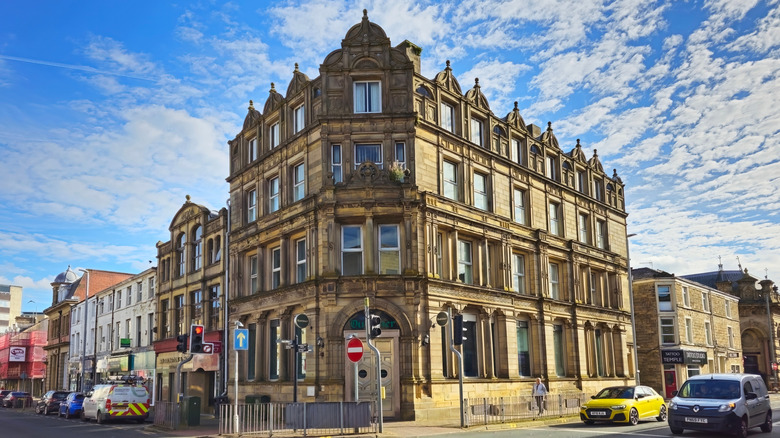
England is home to many market towns like Bishop's Stortford, known for local shops, tasty eats, and centuries-old trading traditions – and Burnley still centers much of its local life around its market. To get a feel for the town's trading history, make a stop at Burnley Market Hall. Alongside butchers, fashion vendors, nail bars, and other independent businesses, its food hall ranges from Lancashire-style meat pies and New York-style pizza to burgers, Bengali dishes, Mediterranean falafel, and desserts. So it's easy to spend a day shopping and not going hungry while you do.
If you're in town on the first Saturday of the month, you can also browse the Burnley Artisan Market on St. James's Street. Around 70 independent artisans, bakers, and food producers gather in the Town Center, alongside street food, live music, and family activities. The monthly event gives visitors another opportunity to browse goods made by local producers from Burnley and the surrounding region.
Burnley also has plenty of places to linger over coffee. Family-run Little Barista. Ranked No. 1 among Burnley's coffee and tea spots on Tripadvisor, with a 4.7 rating, and reviewers regularly highlight its cakes and house-roasted beans. When it's not raining, Cosy Coffee offers outdoor seating perfect for people-watching and lingering over a pastry. When evening arrives, head to a local pub for a Bene 'n' Hot, a Burnley favorite made by mixing Bénédictine liqueur and hot water.
Explore Burnley's canals and medieval history
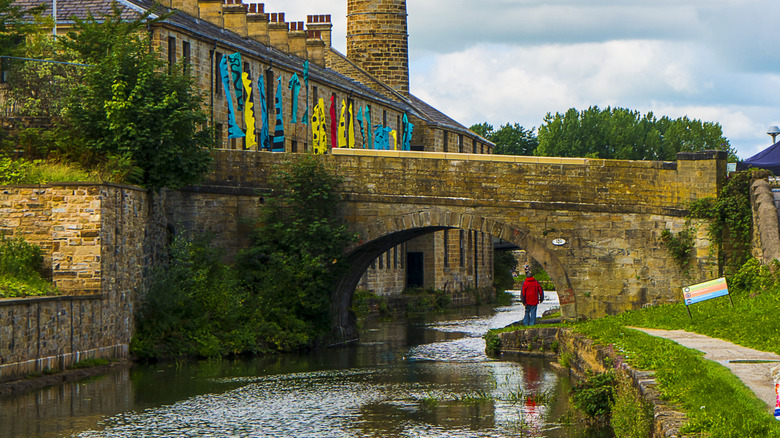
Burnley's scenic side unfolds along the Leeds and Liverpool Canal where the water cuts past red-brick mills, bridges, and remnants of the buildings that once powered the town's cotton trade. The canal passes through the Weavers' Triangle, a historic district harkening back to its cotton-production heritage. The towpath is considerably quieter today than during Burnley's industrial peak. At its height, Burnley had around 79,000 looms, a reminder of just how important textile production once was to the town. Farther along the same canal, you can venture to one of Britain's most celebrated historic villages, Saltaire.
You can experience the canal on foot or by taking a narrowboat tour that includes routes through Burnley and across the Burnley Embankment, sometimes called the Straight Mile, and counted among the celebrated engineering features of Britain's waterways. The Canal and River Trust walking route begins around Mitre Bridge and continues past the historic industrial landscape. At Burnley Wharf, the former Wharf Master's House and Toll Office now houses the Weavers' Triangle Visitor Centre. What was once a lively location where sailors would call out to the Wharf Master to pay tolls, is now a serene historical center set against the backdrop of aquatic plants. The Visitor Center is currently closed for refurbishment, although limited openings are planned for Heritage Open Days in September 2026.
The waterway also hosts the Burnley Canal Festival, an award-winning celebration that has drawn an estimated 5,000 visitors in previous years. Past festival highlights have included narrowboat rides, live music, workshops, markets, and more. The festival is taking a break in 2026 while organizers prepare an expanded edition for Burnley's 2027 Year of Culture, scheduled to return over the August Bank Holiday with activities extending to additional heritage sites along the canal.