
Under An Hour From Hull Is An English Port Town With Markets, Local Eateries, And Historic Attractions
For many planning a holiday to the United Kingdom, the underrated county of Lincolnshire is unlikely to feature on the itinerary. Yet, with its landscape encompassing ancient castles, historic hilltop towns, and a pristine stretch of coast, this large region (the second biggest county in England by size) has plenty to offer.
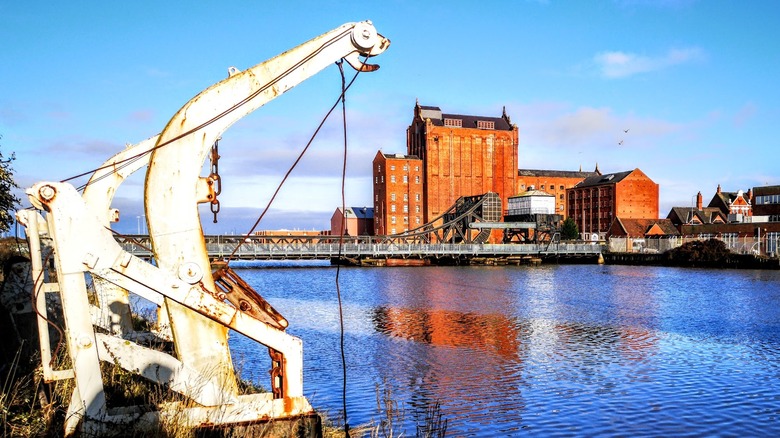
Clinging to the River Humber estuary where it meets the North Sea coast, Grimsby is the county's second-largest city, combining a range of modern amenities like markets, shopping centers, and restaurants, with a wealth of history across its cultural attractions. A lot of those attractions relate to Grimsby's maritime history. In fact, this charming port town has kept its fishing heritage alive to this day, recording extraordinary catches off its shores, and contributing to its regional seafood culinary scene.
Visitors can get a taste of the classics (such as fish and chips, or Sunday roast) at award-winning gastropubs, and try unique regional culinary dishes, including PGI (Protected Geographical Indication) status dishes and ingredients. The blend of history and food makes Grimsby an ideal place to spend a weekend, or an easily accessible day trip just under one hour from Hull, the most populous city on Yorkshire's North East Coast, and a charming hub in and of itself. Though travelers arriving by air can connect to the regional Humberside Airport via European hubs like Amsterdam, the easiest way to reach Grimsby is by train (with a journey time between two and three hours) from cities with frequent air connections, such as Newcastle or London.
Explore Grimsby's markets and sample fresh produce at its local eateries

Grimsby's local cuisine is influenced by its fishing heritage, including its most famous culinary contributions, cold-smoked cod and haddock fillets. Visitors can sample local produce at the city's famous markets: Grimsby Top Town Market and Freeman Street Market. While the former is home to the city's indoor market, the latter was established in 1873 by the freemen (tradesmen) selling their wares on the homonymous street.
Freeman Street Market is still committed to that community aspect, with its owners organizing community events and acting as custodians of the various businesses trading, which include flower shops, fresh produce stalls, and local butchers and fishermen's stalls. If looking for haberdashery, homeware, and artisan-made gifts, visit Grimsby Top Town. Sharing space with its food court selling fresh produce, the market boasts more than 80 stalls selling clothes, footwear, and practical amenities.
Another way to delve into the city's culinary specialties is by reserving a table at one of its restaurants, or visiting one of its award-winning eateries. Head to Alfred Enderby for a tour of the smokehouse, featuring a brief tasting experience of Grimsby's famous smoked fish. The experience, priced at about $13 per person, shows guests the processes and unique chimneys involved in the production of Grimsby's top ingredient, and gives them a taste of the salmon and haddock on sale. A short walk away from the smokehouse is local taproom and craft brewery Docks Beers. Lastly, though it requires a short 10-minute drive from downtown Grimsby, two Rosette-awardee The Pig & Whistle is a popular local pick for a fancy dinner treat. The restaurant offers both a fixed tasting menu for $130 per person and gastro pub food such as beef wellington.
Visit Grimsby's historic attractions

Hull may not have been historically among the most popular cities in "God's Own Country", as Yorkshire is known. Yet, the city on the Humber has an enviable maritime history and charm, granting it the title of England's best place to visit in 2026. Grimsby has a few things in common with Hull, including its wealth of seafaring stories and maritime landmarks. To learn about them, travelers can head to the Grimsby Fishing Heritage Centre, which even has its own historic trawler visitors can hop onto. Grimsby Minster is another key attraction, a castle-like 13th-century Augustinian church sharing a title with the better-known architectural gem in York, its fellow Northern city renowned for its thriving Christmas market ranked among the world's best.
Grimsby has also retained a few of its Victorian landmarks, including the 309-foot-tall Grimsby Dock Tower overlooking the city's main river port and the Queen's Steps memorial. Another easily recognizable red-brick building is the Grimsby Ice Factory. This grade-2 listed architectural behemoth was once pivotal to the fishing industry, as the place where ice was crushed for the safe shipping of produce. The building went from being an endangered conservation site to being renovated to become a hub for culture and events in the city.
While Grimsby's port is only 7 miles from the open sea, the city is not a quintessential beachy destination, and swimming in the Humber is discouraged due to its currents. Travelers who want to extend their trip to include swimmable seaside and pristine beaches should head further south along the coast. An example of the variety the coast has to offer is Mablethorpe, a charming town between Grimsby and Skegness that's renowned for its Blue Flag beach, family fun, and tasty eats.