
In Lake District National Park Is A Coastal Village With Historic Ruins And An Award-Winning, Scenic Castle
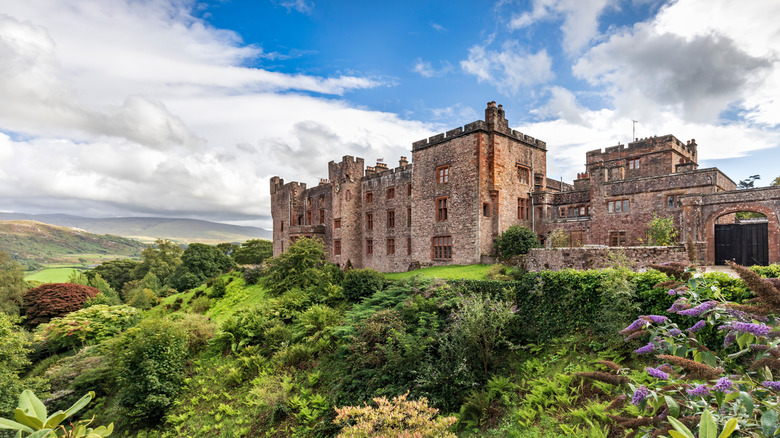
Travelers planning an itinerary in the Lake District often focus on its most famous areas, such as Lake Windermere (the largest lake in England, no less) and the small cottages and villages that inspired England's Romantic poets in the 18th and 19th centuries, but an often unseen side to the sprawling National Park is its coast. The charming village of Ravenglass is somewhat of a rarity, as it's the only coastal village in the Lake District National Park. Located at the confluence of three rivers (the Esk, Irt, and Mite), Ravenglass is home to an award-winning castle, as well as historic ruins that transport visitors back to the village's Roman past and further beyond, to the area's first Bronze Age settlements.
Ravenglass offers a more intimate, slow-paced immersion in the nature of the Eskdale Valley compared to bigger towns in the District like Cockermouth and Ambleside. In particular, Ravenglass makes for a great day trip for history buffs, but also for those keen to check out views of the Lake District fells (including England's highest mountain, Scafell Pike) from one of the region's main attractions: Muncaster Castle.
In fact, thanks to its size and position in the Lake District — between Barrow-in-Furness and Whitehaven — Ravenglass makes for an ideal day out while camping in the lakes, or even a weekend trip from Carlisle, about one and a half hours away (53 miles) or Blackpool, about 88 miles further south, roughly two hours away. Visitors planning to fly into the region should head to Manchester Airport (MAN), which is the closest international hub.
Step into Ravenglass' award-winning scenic castle
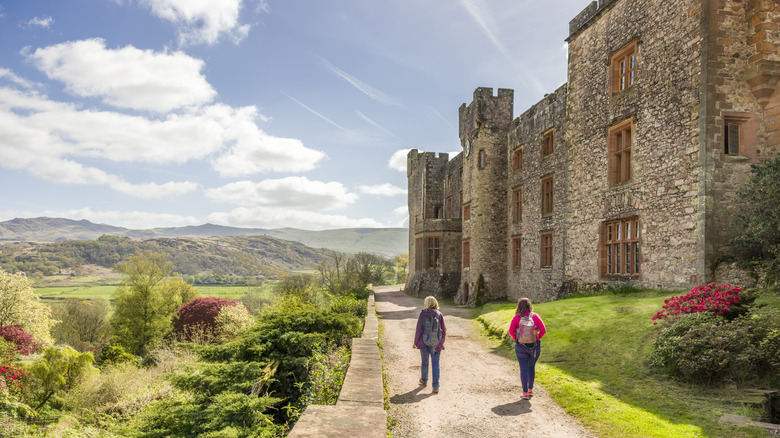
Tucked on the western edge of the Lake District fells, Muncaster Castle has been the home of the Pennington Family since 1208. Located directly inland from Ravenglass, Muncaster is renowned for its impressive architecture and for being surrounded by 77 acres of pristine green and woodland gardens adorned with seasonal flowers and plants. Among the most unique features of the castle are its Weapons Hall, where visitors can have a go at their archery or axe-throwing skills, and the Hawk & Owl Center, where a birds-of-prey show takes place daily. Both activities make the castle especially popular with families, but its imposing architecture, fascinating history, and even purported hauntings make it enjoyable by all. The castle even has its own official "fool," a modern revival of the humorous medieval tradition of appointing a court jester to entertain guests.
Not just one of Ravenglass' most renowned landmarks, Muncaster Castle also offers scenic vistas overlooking the Western Lake District "fells" — the ancient Cumbrian word for mountain — which surround the imposing castle. In recognition of its curated gardens, family-friendly activities, and atmosphere, Muncaster has received several awards, including VisitEngland's "Small Attraction of the Year" in 2023.
Tickets for the castle are divided into two tiers, depending on the activities guests want to partake in. Access to the castle, gardens, the Hawk & Owl Center, and various activities costs £24.95 (US$34) for adults, while those wishing to stay outside the castle can expect to pay £19.50 (US$26). Visitors who want to explore the breadth of castles scattered across the North of England will find plenty of inspiration on the opposite coast, where Northumberland, England's most northern county and a land of scenic landscapes and castles galore, is located.
Explore historic ruins in Ravenglass
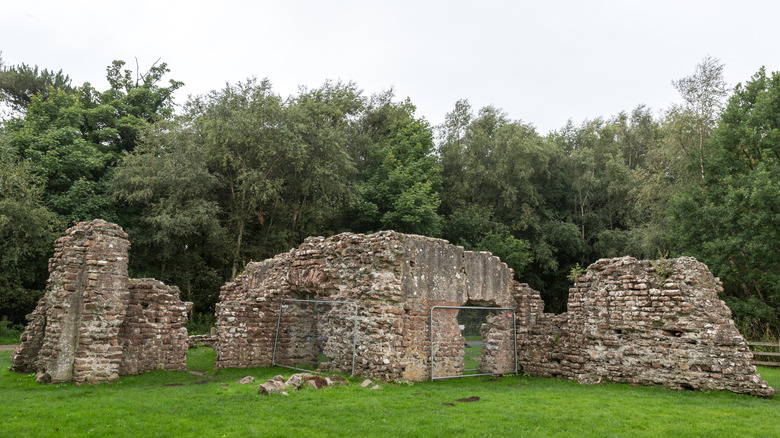
The ceremonial county of Cumbria, where Ravenglass is located, used to be an important settlement in Roman Britain. People visiting today can still see the marks left by the Romans by visiting one of the village's key landmarks: the Roman Bathhouse. This historic site dates back to when Ravenglass was used by the Romans as a strategic port to defend coastal Britannia. Not just an example of Roman architecture, the Bathhouse also boasts some of the tallest Roman structures preserved across Northern England, and is a rare remnant of the Romans' presence in Ravenglass for over 300 years. Even Muncaster Castle, which is about a mile away from the bathhouse, is said to have been built on a site used as a Roman fort, although little of that fort survives.
Visitors who explore the village on foot will also have a chance to observe examples of its ancient and medieval streets and historic buildings, such as Pennington House and The Bay Horse, both Grade II listed. A more recent example is the Grade II listed Muncaster War Memorial, honoring victims of World War I.
Another popular way to explore Ravenglass is by hopping aboard the Ravenglass and Eskdale Railway (also affectionately nicknamed "La'al Ratty" in the local dialect), the historic steam railway that connects the villages to the lower valley in 40 minutes, crossing spectacular views along the way. Visitors who choose the scenic rail route can see scenery akin to that of Black Moss Pot, a deep-gorge pool some 35 miles away known as the prettiest wild swim spot in the Lake District.