
Florida's Gulf Coast Nature Escape Has Trails, Fishing, And Paddle Boating An Hour From Tallahassee
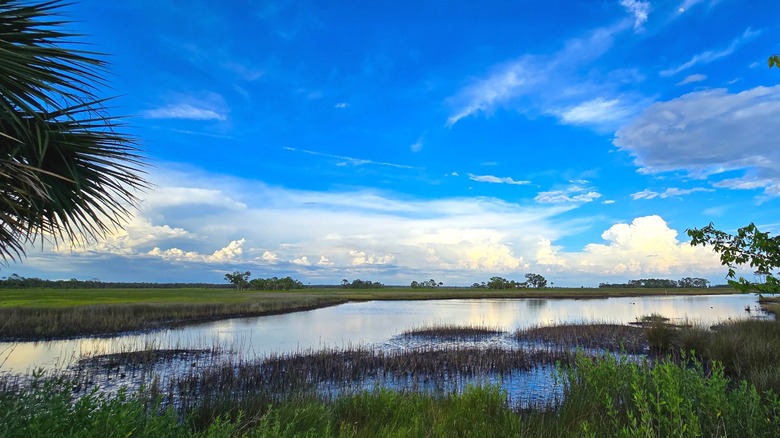
Most people's idea of Florida is shaped by the glitzy reputation of Miami, family trips to Disney World, or deep-sea fishing off the coast. However, the state's natural abundance is often overlooked, and it's much more than just the Everglades. One incredible spot that deserves attention is Big Bend Wildlife Management Area (WMA). Just an hour southeast of Tallahassee, along the Gulf Coast where the panhandle meets the peninsula, it's a great spot to hit the trails, cast a line, and go for a paddle.
Big Bend WMA is large, being one of the longest publicly owned coastal wetlands in the United States. It stretches 60 miles along the Gulf coastline and encompasses 90,000 acres of diverse landscapes including uplands, wetlands, hardwood swamps, creeks, ponds, and salt marshes. The WMA begins near Econfina River State Park in the north and ends just south of the Steinhatchee River near the town of Horseshoe Beach. It is divided into five units, which are named Snipe Island, Hickory Mound, Spring Creek, Tide Swamp, and Jena (listed from north to south).
The closest airport to Big Bend WMA depends on which section you're looking to visit first. Tallahassee International Airport (TLH) is nearest to the northern Snipe Island Unit at about 43 miles and just under an hour's drive, while the closest airport to the southernmost Jena Unit is Gainesville Regional Airport (GNV), from which it will take about one hour and 45 minutes to drive the 81-mile distance. The region is remote, so close-by lodging options are sparse. Your best bet for an assortment of motel and hotel-type options is in the town of Perry, about 20 miles east of the Hickory Mound and Spring Creek Units.
Fishing and hiking in Big Bend Wildlife Management Area
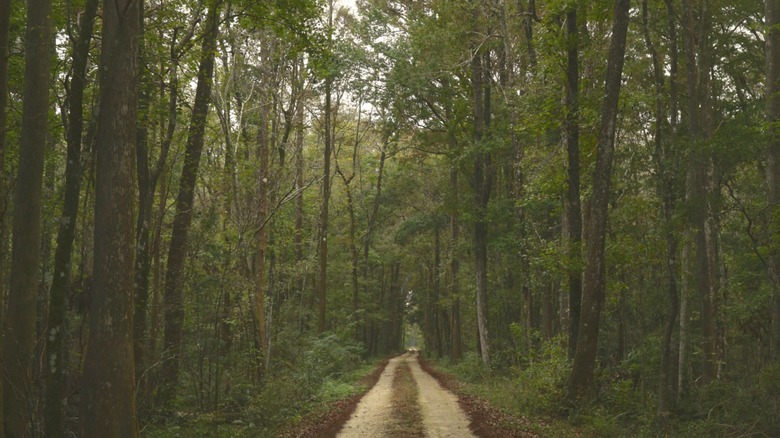
Given Big Bend WMA's immense size, it's not surprising that it has a large trail system to match. Add to the mixture a history of tree harvesting, and you'll get an area rife with roads, defunct logging tramways, and footpaths. There are over 300 miles of these paths to explore by foot, bicycle, or on horseback. Designated and marked trails for hiking and mountain biking are primarily found in the Snipe Island and Tide Swamp Units, with Hagen's Cove Trail and Dallus Creek Trail being standouts in the latter.
If you're adventuring on horseback, note that you're only allowed to ride on the roads, not on the marked trails. Also note that hunting is a popular activity in the WMA, so be aware if you're visiting during hunting season and, if so, wear safety orange to stand out. Along that line, do you know the five colors you should always wear on a summer hike (or any time of year in Florida)?
When it's time to take your adventure to the water, Big Bend WMA is perfect for anglers. Not only is it checkered with creeks, streams, ponds, and brackish waters, but it also provides access to the Gulf for some saltwater excitement. Common freshwater game include Florida bass, catfish, and sunfish, while a favorite quarry in the saltier water is the spotted sea trout. For accessing the Gulf, boat ramps can be found in all of the units except Snipe Island. However, some of the ramps are only usable at high tide and can't accommodate larger watercraft, so be sure to plan ahead.
A variety of paddling adventures in Florida's Big Bend
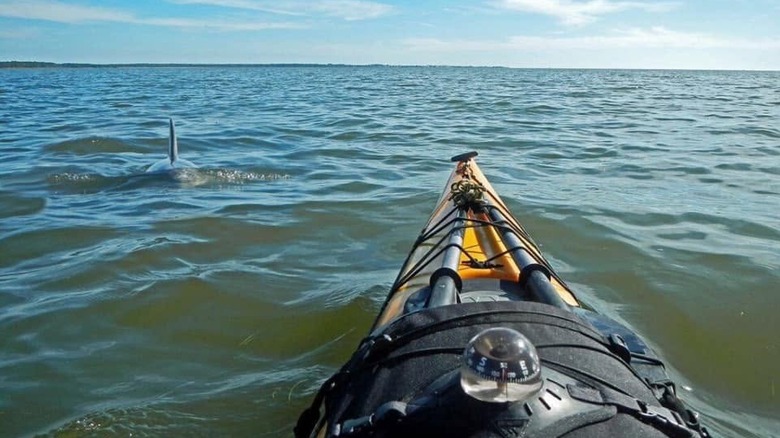
Similar to fishing, those on paddle craft can choose to explore the inland waterways or venture out into the Gulf, or do both. Paddling the inland tidal creeks, salt marshes, and rivers such as the Econfina and Steinhatchee offers a calm experience filled with opportunities for wildlife viewing and enjoying the varied ecosystems of the Big Bend region.
If you are confident in your paddling abilities, Big Bend WMA offers a unique and challenging adventure in the Big Bend Saltwater Paddling Trail. Much like the famed Everglades Wilderness Waterway, this multi-day adventure is a bucket-list trip for serious sea kayakers. The northern section of the trail, which encompasses the entire shoreline of the WMA, spans 105 miles with seven overnight campsites spread out along the route. Campsites require a free permit to reserve, so be sure to plan ahead. This is, in fact, the only camping allowed in the entire WMA. Along the way, you will likely encounter a host of avian and marine life.
Of course, if you don't have the endurance or time to complete the entire paddling trail, there are plenty of day paddles you can do from the various rivers and boat launches; just know that if you're utilizing the campsites, you're required to travel from north to south. Also, if you've only paddled inland on lakes and rivers, take the time to familiarize yourself with the crucial differences between kayaking in freshwater and the open ocean.