
In 1969, A British Businessman Spent £150,000 To Save This English Island — But Didn't Keep It
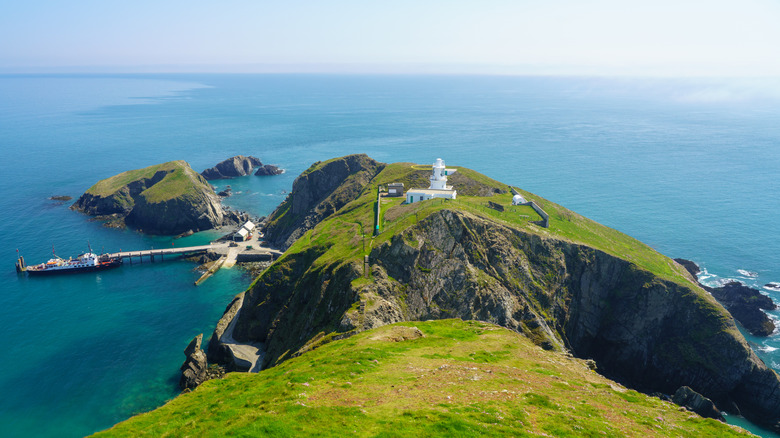
The Bristol Channel, Britain's largest natural inlet, is a lifeline for everything from shipping to coastal resorts. The waterway cleaves Wales and England and is home to six uninhabited islands including the feral, wildlife-rich Lundy Island, a heavily-protected nature reserve. However, this tiny outcrop might have met a different fate without the intervention of British businessman Sir Jack Hayward. In 1969, Hayward spent £150,000 (about $200,280) to save Lundy, which was considered a troubled island that had fallen into disrepair. Remarkably, Hayward didn't keep it. Instead, he gifted the 3-mile-long island to the National Trust.
Pitched 12 miles off the coast of Devon near the Atlantic Ocean, Lundy Island was a conservation zone long before modern protections officially deemed it so. The island was previously owned by Martin Coles Harman, a passionate naturalist dedicated to conserving and studying the island's bird population. Together with other naturalists, the Lundy Field Society was formed, which set about protecting and studying the island's animals and marine life. After Harman's death in 1954 the island passed to his son Albion, who ran it for several years until his own death in 1968.
British politicians then called on help from the public to find a buyer for the island, fearing developers or worse would buy it. The National Trust desired to purchase Lundy, but it lacked the funds. Enter spirited British philanthropist and patriot Sir Jack Hayward, who stepped in with a donation to purchase the island. The Landmark Trust then leased the island and has been responsible for its conservation and protection ever since.
Hayward's donation ensured Lundy Island remained the unspoiled, biodiverse escape it is today
Visiting Lundy is nothing like the breezy island vacay you'll have on England's tropical-looking Isles of Scilly. Hayward's gift enabled the remote Lundy to remain a rugged sanctuary for wildlife and nature enthusiasts alike. There have been extensive restoration and repairs to historic structures, including the iconic lighthouse and medieval castle, alongside Lundy's 23 self-catering guest properties. Electricity is often cut at midnight on the car-free island, and the Landmark Trust maintains the island's biodiversity according to protection standards of the U.K. and Europe.
Similar to the rare wildlife at England's North Wessex Downs National Landscape, Lundy boasts about 40,000 rare seabirds, one of the largest colonies in the country. Lundy, which means "puffin island" in Old Norse according to the BBC, is home to guillemots, razorbills, Manx shearwaters, and plenty of its namesake puffins among the birds soaring in the skies above its dramatic granite cliffs. Fishing is banned in Lundy's waters, a haven for rare leatherback turtles and a variety of corals. Nearly 200 Atlantic grey seals sun about the island, while everything from dolphins and whales to far-flung sunfish and basking sharks (the world's second-largest fish) thrive off the coast.
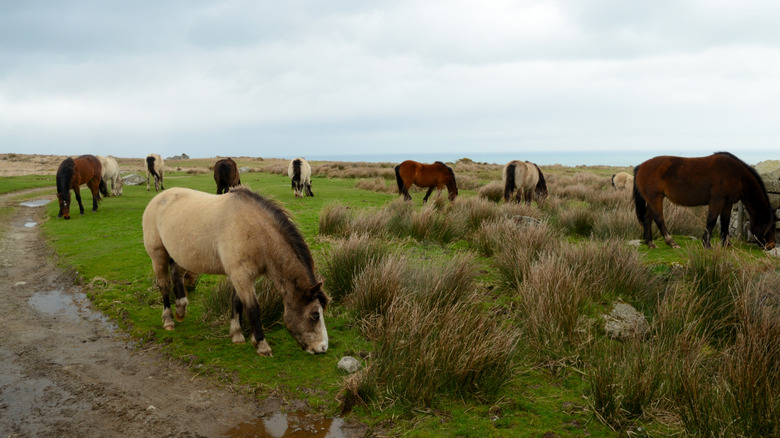
On land, wild ponies, feral goats, Soay sheep from the Scottish island of St. Kilda, and Japanese Sika deer roam Lundy's windy clifftops. Rare lichens and wildflowers, along with endemic cabbage, bloom from the earth, while a remarkable 500 species of fungi have been known to grow here. To visit this one-of-a-kind island, you can helicopter over in winter from Hartland Point, or sail the MS Oldenburg ferry, which leaves from either Bideford or Ilfracombe from the end of March through October. All departure points are in Devon County, a coastal retirement expat haven with scenic shores and cozy villages.