
This New US Airline Rule Could Make It Even Harder To Get Delay Compensation

Death, taxes, and flight delays. The three inevitabilities of life. Perhaps we can come to terms with the first two, but flight delays are especially difficult to stomach — and yet more so when the airline plays hardball with your compensation. Unfortunately, a new rule, effective October 19, 2026, could make retrieving delay compensation from U.S. airlines even trickier than it already is.
The Department of Transportation (DOT) published a document outlining the new rule on September 3. The summary states that the Department "is amending its regulations governing how air carriers report the causes of flight cancellations and delays. This action implements Section 511(b) of the FAA Reauthorization Act of 2024, which mandates that ten specific types of events be excluded from the 'Air Carrier' causal reporting code." What this means is that 10 causes of delay that were previously considered "within the carrier's control" are no longer viewed as such. This is important because "within the carrier's control" is the basis upon which an airline is expected to compensate customers for delays.
Flights can be delayed for the most bizarre reasons — a Qantas flight in 2012 was stalled on the runway when two first-class passengers refused to fly until they were provided with the correct size pajamas. The 10 events no longer "within the carrier's control" also include some unorthodox (albeit possible) occurrences: aircraft cleaning necessitated by the death of a passenger, aircraft damaged by extreme weather or sabotage, cyber-attacks, third-party systems failures, the removal of an unruly passenger, and airport closure due to volcanic ash or wind shear. This doesn't absolve airlines of all responsibility; they're still deemed at fault for some classic delay causes, like fueling, weight and balance issues, and crew legality (i.e., flight crew rest requirements). But there are now fewer unforeseen events entitling you to compensation.
Retrieving compensation from U.S. airlines
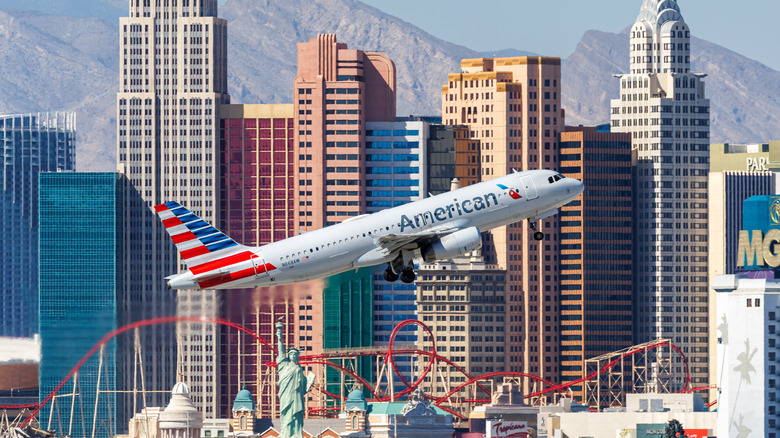
The DOT has effectively said the rule will wrest control from the consumer and return it to corporations. Buried in the legalese and technical jargon of the document, the DOT describes the rule as "a transfer of value from consumers back to air carriers" and admits it will result in less compensation for customers overall. Flying with a foreign carrier is one way to circumvent the rule, but that only applies to international flights (non-American airlines are prohibited from operating domestic flights in the U.S.).
In the EU, the U.K., and Canada, passenger protection rights are government-mandated and robust, whereas American air carriers have much greater control. They write the rules for delay compensation themselves and post them on their websites in the form of Contracts of Carriage. The DOT can heap pressure on the airlines by comparing carrier policies on its Airline Customer Service Dashboard. But airlines aren't required under federal law to compensate passengers whose flights are delayed or canceled. In the absence of obligatory compensation, U.S. airlines have collectively agreed to offer reimbursement, usually in the form of hotel stays, meals, travel vouchers, or rebooking customers onto a new flight — provided the issue is deemed within their control.
However, there's one airline reimbursement rule from 2024 that still benefits travelers. The rule requires airlines to fully refund the passenger if the flight is canceled, changed, or delayed by more than three hours (or six hours for an international flight). In those limited cases, the airline must issue the refund promptly, automatically, in full, and in the form in which it was paid (cash, air miles, etc.), provided the passenger does not accept an alternative offer, such as rebooking on another flight. But getting a fast refund on your next canceled or delayed flight will only happen in situations considered within the airline's control, and the new rules are now skewed to favor the air carrier when making that determination.