
Forget The Smithsonian, This One-Of-A-Kind Urban Gem Is A Wildly Underrated Asian Museum In DC
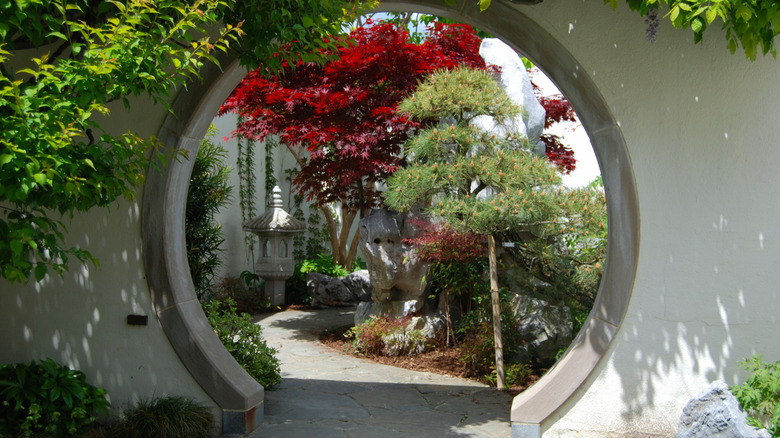
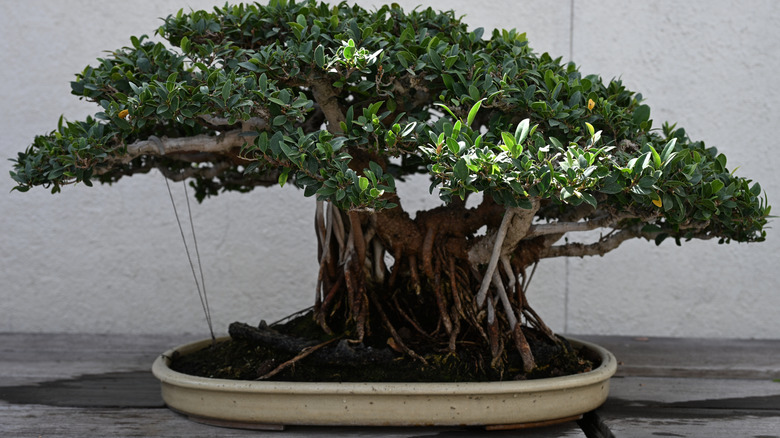
Who doesn't love a bonsai tree? They are a perfect blend of gardening and fine art, and just the presence of a bonsai can make onlookers smile. Bonsai are well known around the world, and perhaps the best collection in the U.S. is at the National Bonsai & Penjing Museum in Washington, D.C. Like the Smithsonian Institution, this museum is an impressive themed showcase, with extensive exhibits that make it worth visiting even for those who don't know much about bonsai.
The Bonsai & Penjing Museum isn't actually part of the Smithsonian. It's one section of the U.S. National Arboretum, located in Northeast Washington. The museum was established in 1976, when Japan gifted 53 bonsai trees to the United States to celebrate the American Bicentennial — today, it boasts a collection of over 300 specimens. The arboretum is generally far less crowded than the Smithsonian's flagship museums, and you don't have to contend with downtown traffic or parking. Admission is also free, just like D.C.'s most famous institution.
Don't get us wrong, the Smithsonian museums are a must-see. They're the reason why D.C. is considered the "Capital of Free Museums." But if you've already had your fill of the default destinations, like the Hirshhorn and Air & Space Museums, the Bonsai & Penjing Museum is a one-of-a-kind and wildly underrated alternative. "Beautiful exhibit on beautiful grounds at the National Arboretum," one past visitor wrote on Tripadvisor. "Would be a great day trip for anyone — solo, with friends or kids. The creativity of the arborists and artists that designed these trees is simply amazing. We really enjoyed the variety and were totally blown away by the age of some of these."
What to see at the Bonsai & Penjing Museum
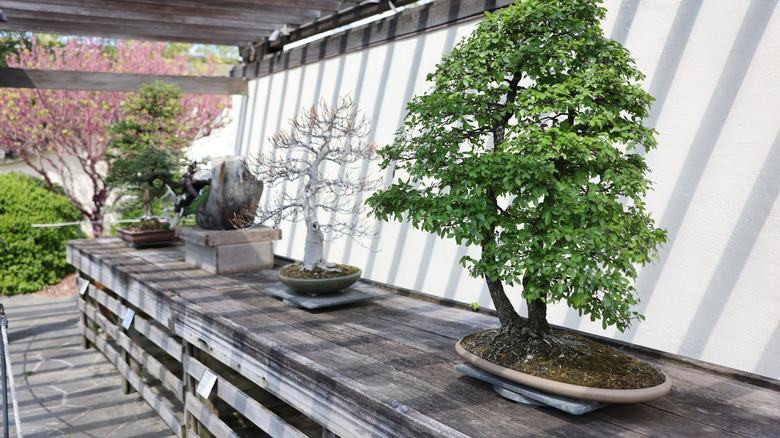
This tranquil museum is dedicated to both bonsai and penjing. If you're not familiar with penjing, it's defined as the Chinese art of creating miniature landscapes, often incorporating rock formations, water features, tiny shrines, and even model humans and animals inserted into the scene. While bonsai focuses solely on the trees themselves, penjing can sometimes be more reminiscent of model railroading. Bonsai are better known internationally, but the concept of lilliputian gardening likely originated in China. Bonsai has also been part of Japanese culture for over 1,000 years, and you could easily add this museum to a list of the 10 most gorgeous Japanese gardens in America.
The museum's layout is reminiscent of an East Asian palace, with open-air courts and traditional gateways connected by level paths. The trees are given ample space, and most are perched on wooden platforms or blocks of stone. Visitors can stroll through the space at their leisure, reading informational panels and relaxing on wood benches.
In addition to bonsai and penjing, the museum also has a renowned collection of "viewing stones," designed to depict aspects of the natural world. The collection consists of 105 stones sourced from all over the globe. Winter can be a fascinating time to visit, as the deciduous bonsai lose their leaves, revealing their bark and intricate branches. Some trees are also ancient — one in particular, the "Yamaki Pine," has lived for 400 years. While many exhibits are permanent, the museum's Special Exhibitions Wing has themed displays of bonsai, viewing stones, and "ikebana," or Japanese flower arrangements.
Planning your trip to the Bonsai & Penjing Museum
The National Bonsai & Penjing Museum is open all year and is largely outdoors, so be sure to bundle up if you plan to visit in the colder months. It welcomes visitors between 10 a.m. and 4 p.m., a slightly narrower window than the rest of the National Arboretum, which is open from 8 a.m. to 5 p.m. The arboretum doesn't offer docent-led tours at this time, so you'll have to discover its finer points on your own. Not only is the National Arboretum free, but parking in the lot is free as well – yet another reason this place is a nice alternative to most Smithsonian branches.
The museum is located around 3.5 miles from the National Mall, or approximately 20 minutes by car, without traffic. Though Washington D.C. has been rated the best city in the country for public transportation, the National Arboretum isn't convenient to reach by metro. To get here from the National Mall, a combination of subway and bus will take nearly an hour. On a nice day, you could rent a bicycle from Capital Bikeshare and pedal this distance in half that time.
Those traveling on a budget will find more affordable hotels in Northeast Washington compared to downtown. Several are located less than a mile from the National Arboretum, including the Gateway Hotel, Fairfield By Marriott Inn & Suites, and City Express by Marriott. Staying here will give you easy access to the museum and allow you to enjoy a quieter side of D.C. without being too far away from its famous landmarks.