
Outside Seattle Is Washington's Scenic Nature Preserve With Peaceful Wetlands, Trails, And Unique Wildlife
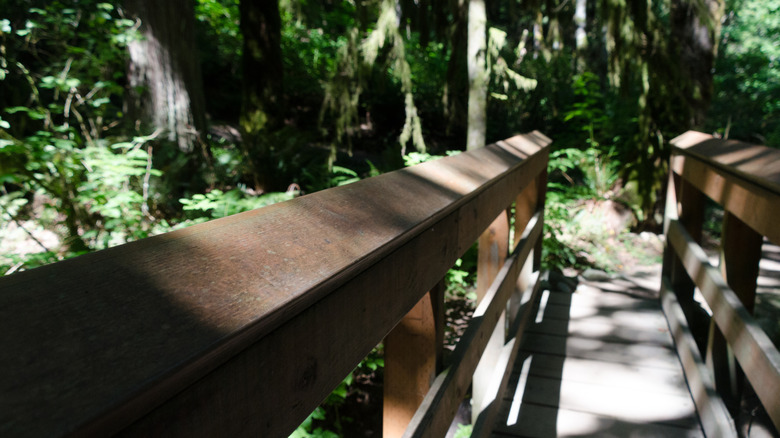
Anyone who has spent time in Seattle, Washington, knows it's a top destination for nature lovers. From the mossy forests of the Olympic Peninsula to Kerry Park overlooking the Seattle skyline, there's a lot to experience. However, if you're craving a low-key hiking destination that trades evergreen canopies for views across open wetlands and meadows, look no further than Evans Creek Preserve, on the edge of the city of Sammamish.
At 213 acres, the preserve is a taste of the wilderness minutes from Albertsons grocery store and the rest of the city. You won't find playgrounds, campsites, or other major developments. Instead, it's an example of a natural place coming back to life thanks to the tireless work of people in the community, including the Washington Trail Association. Before the city acquired the land in 2000, it was a logging site and historic farm. Over more than two decades, volunteers replanted thousands of native plants and built miles of trails. Today, visitors can explore 3.5 miles of trails through grassy meadows leading to wetlands and birding spots, as well as upland forests filled with Douglas firs, maples, and ferns.
Situated about 30 minutes from downtown Seattle, the preserve is easily accessible from Redmond and just off WA-202. There are two entrances: the lower trailhead and the upper trailhead. The upper trailhead offers views of the preserve through the trees and takes visitors through the steepest section of the park. In comparison, the lower trailhead provides easy access to the wetlands, meadows, and Evans Creek via mostly flat trails.
Explore hiker-only trails at Evans Creek Preserve
One thing that makes Evans Creek Preserve stand out from the recreation trails outside the gateway to Seattle's Issaquah Alps or other parks is its pro-pedestrian design. All the trails are for hikers or walkers only, so you don't have to worry about getting mowed down by a mountain biker while admiring the native plants. In addition, the trail system is designed to blend into the environment instead of cutting through it. "It provides a sustainable, low impact route that minimizes environmental disturbance while allowing visitors to explore this forested open space within the City," per the City of Sammamish.
The park divides the paths into three categories — woodland trails, meadow trails, and hillside trails — with individual trail sections identified by number. It's a great way to create your own loop. Hikers online heap praise upon the directional signage, which includes maps and markers throughout the park. In addition, the trail map lists the approximate grade of each route, so you know what to expect.
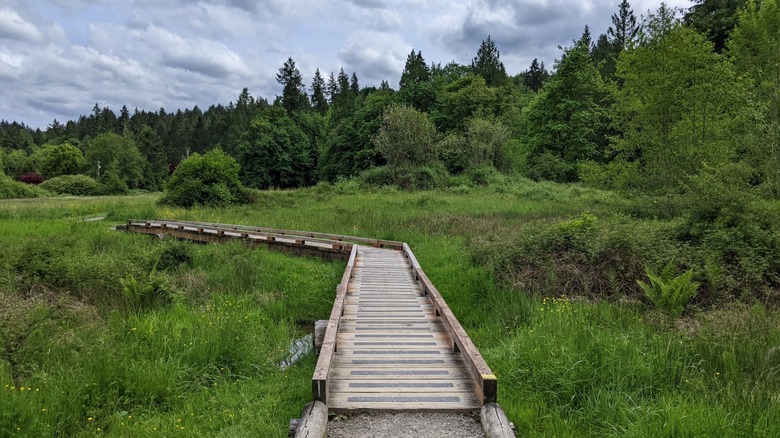
Hikers on AllTrails give the preserve 4.6 stars across more than 2,300 reviews at the time of writing, highlighting a 1.6-mile loop labeled the "Evans Creek Preserve Trail," which starts from the lower trailhead and includes segments of the meadow and woodland trails. Here, visitors can enjoy a serene moment in the wetlands, which hikers on Google Reviews describe as a "great place for birding and enjoying nature." This part of the preserve features puncheon bridges, low-lying wooden walkways that allow explorers to cross wetlands and streams without damaging the habitat or getting their feet wet.
Witness habitats and animal communities in recovery at Evans Creek Preserve
Sections of the park are still in recovery, with volunteers working actively to remove non-natives and replant indigenous trees and shrubs. This hard work has already paid off. During a 2023 survey, the Washington Butterfly Association not only counted nine species of butterflies, but also encountered a mama bear and her baby.
Although bear sightings are on the rise in east King County, seeing a bear in the wild is still a rare experience for many hikers. If you're out hiking and you see a bear, the Washington Trail Association reminds visitors to make as much noise as possible. Although animal sightings are never a guarantee, the preserve's rehabilitated habitats are also home to beavers, deer, and many types of insects. In addition, the park offers four birding platforms in the meadow zone.
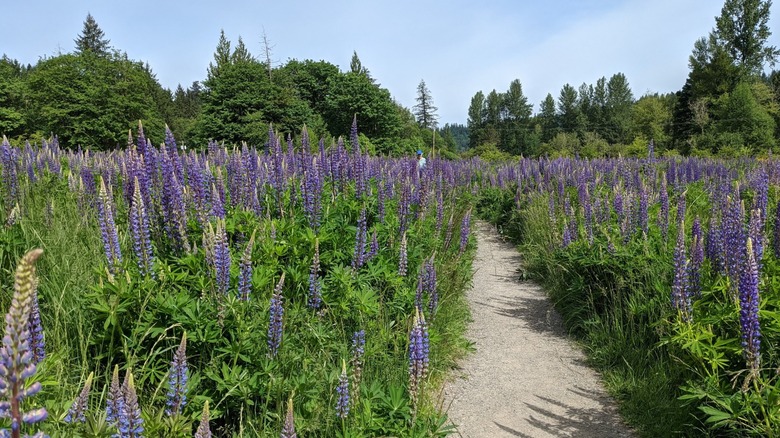
Besides wildlife, the park is also a prime location for plant spotting and admiring seasonal wildflowers. Between late May and early June, the park turns into a lupine wonderland for hikers unable to see spring wildflowers along Washington's steep Dog Mountain Trail. Featuring sky blue and white-purple blooms, these wildflowers stand out against the park's lush greenery. But to find them, you need to know where to look. "Follow the map to find points 4 and 5. Walk the gentle wooded trail to reach your destination — a path of lupines waiting to be explored," advises Seattle's Child.