
Goodbye Rocky Mountain, So Long Golden Gate: This Colorado Mesa Bursts With Lakes, Outdoor Fun, And Less Crowds
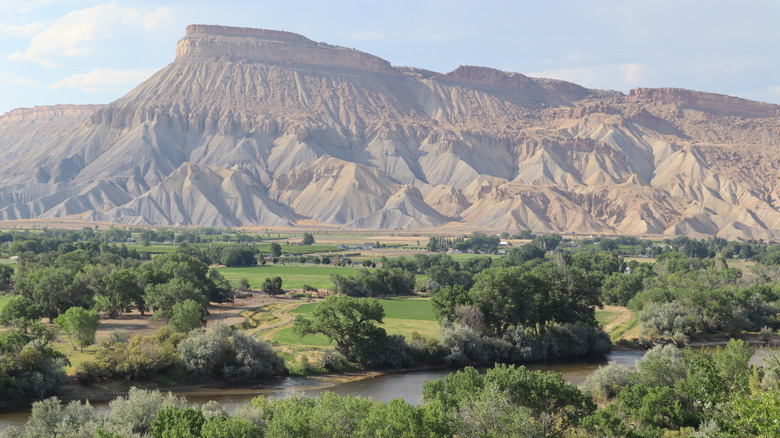
When people turn to Colorado for outdoor adventures and pristine nature, they often make a beeline for Rocky Mountain National Park or Golden Gate Canyon State Park. Both are within a two-hour drive from Denver and receive millions of visitors each year. Rocky Mountain alone saw over 4 million visits in 2025, according to Public Lands Data. Golden Gate is less busy, but has still seen over 1.5 million visitors in recent years, as reported by the Colorado Springs Gazette, making it one of the state's consistently busiest. Fortunately, there's another worthwhile natural playground a lot of people don't even consider: Grand Mesa. Surrounded by Grand Mesa National Forest, this 11,000-foot flattop mountain is the largest of its kind in the world.
Size doesn't always matter when it comes to nature, but there's something refreshingly atmospheric and varied about this behemoth mesa and its abundance of outdoor escapes. It's a year-round destination, too, averaging around 250 inches of snow during winter for resort skiing, snowboarding, and hundreds of miles of Nordic ski trails. The rest of the year it's an ever-changing tapestry of colors surrounding over 300 lakes, forests, sandstone canyons, and unique ecosystems.
While wildlife is ever-present — you can see hundreds of moose, as well as elk, deer, sheep, and birds — people aren't as frequent here as in Rocky Mountain or Golden Gate. While there aren't exact visitor numbers for Grand Mesa available, the combined Grand Mesa, Uncompahgre, and Gunnison National Forest receives just over 2.2 million visitors a year. But these forests cover over 3 million acres, helping spread out visitors and keep Grand Mesa relatively uncrowded. "One of my favorite places to relax and enjoy beautiful nature. Every season is amazing," one visitor wrote in a Google Maps review.
Grand Mesa's best lakes and outdoor adventures
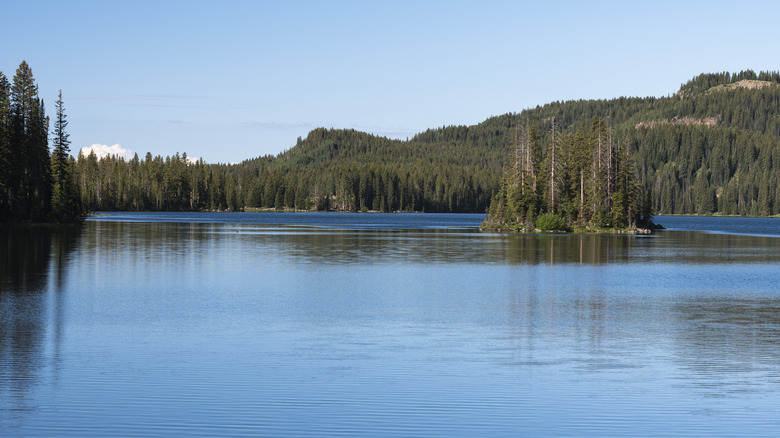
When you have over 300 lakes to choose from, deciding where to go can feel a tad overwhelming. Known as The Mesa Lakes, the lakes here are mostly found about 10,000 feet above sea level and are accessible by driving along the Grand Mesa Scenic Byway, a two-hour route that leads you past vineyards, orchards, forests, and, of course, lakes. One of the most popular options is Island Lake, under 1.5 hours' drive from Grand Junction, a mountain gem and one gateway to Grand Mesa. Island Lake has the highly rated Island Lake Campground at one end — electric and non-electric sites with picnic tables and fire rings are available. It's also where you'll find the trailhead for the 10.6-mile Crag Crest National Recreation Trail. The challenging loop takes over five hours to complete but treats you to elevated views of numerous lakes, mountains, valleys, and forests.
Drive another 10 minutes, and you'll be surrounded by Cobbett Lake, Deep Ward Lake, Alexander Lake, Hotel Twin Lake, Arch Slough, and Baron Lake on practically all sides. This section also has the Grand Mesa Visitor Center where you can stop for a picnic lunch and to browse souvenirs and informational displays. You'll find multiple campgrounds here too, including at Ward Lake and Cobbett Lake. Another option here is Thunder Mountain Lodge, which offers rustic cabins, rents out kayaks and stand-up paddleboards during summer, and runs snowmobile tours come wintertime.
You could stick to one or two lakes here, passing the time fishing, swimming, and paddling. If you want to see more, you can hike, bike, or even horseback ride hundreds of trails. The Mesa Lake Shore and Lost Lake Trail is one of the most popular on AllTrails. The 3.3-mile loop route is relatively easy going but still includes views across multiple lakes, including South Mesa, Mesa, and Lost. Give yourself at least two hours to complete it.
Brilliant fall colors at Grand Mesa
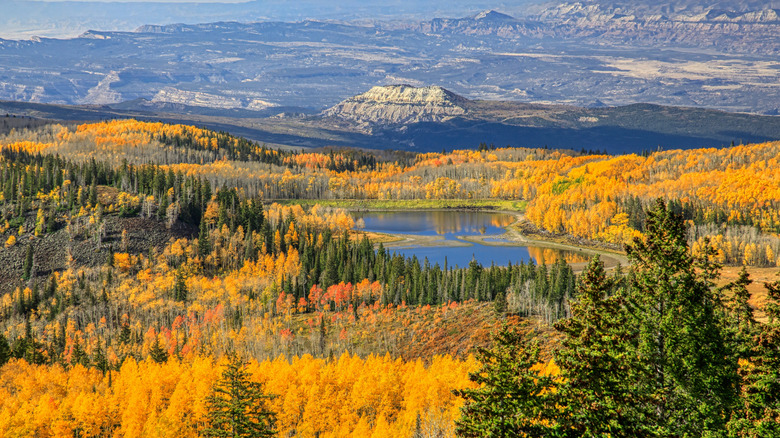
Fall is one of the busiest times of the year at Grand Mesa because of the vibrant fall foliage. If you're looking for fewer crowds, you may want to avoid visiting during this season. But if you do visit then, you're in for a treat. You don't even need to leave your car, technically — a lot of colorful trees are visible from most of the scenic byway. If you fancy stepping outside, the aforementioned Mesa Lake Trail is a good bet for walking amongst the colors. You can also witness sprawling bursts of earthy colors across Grand Mesa by driving around Powderhorn Mountain Resort, Crag Crest, Land's End Spur, and Granby Reservoir. The third Sunday of September is known locally as "Color Sunday," one of the best weekends for leaf peeping at Grand Mesa.
Powderhorn Mountain Resort is also a hub of outdoor fun during winter. Located on Grand Mesa, it offers some of Colorado's best glade skiing and snowboarding. Many of the groomed runs are also beginner-friendly, making it ideal for families. Powderhorn also boasts friendly staff, fast lifts, and idyllic scenery, the latter of which certainly benefits from the surrounding mountains, forests, and valleys.
Grand Junction is a five-hour drive from Salt Lake City or four hours from Denver. From Grand Junction, it's a relatively short (1.5 hours) and scenic drive along the byway to Grand Mesa. Numerous campgrounds are scattered around the area, letting you pitch a tent beside many of the lakes. You can also stay in cabins and lodges around the national forest or at hotels in gateway towns like Cedaredge, a hidden gem with wineries and mesa views.