
Between Blackpool And Manchester Is A Quaint Village With River Views, Nature Walks, And Historic Charm
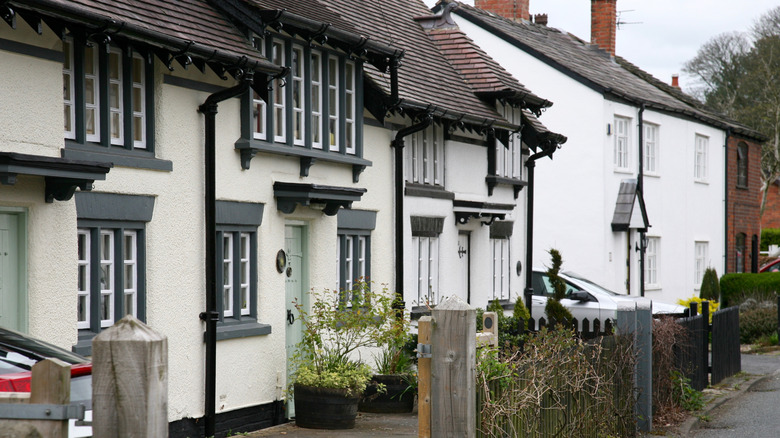
Escaping to the English countryside is a lovely way to get away from the pace and noise of the country's bigger cities. It's here you can uncover charming villages hidden amongst its tapestry of farmland, forests, rivers, and fields. The village of Croston is a perfect example of this. Secret Liverpool recently highlighted this riverside gem as one of the quaintest villages near Liverpool. Home to fewer than 2,500 people, it possesses a relaxed and quiet charm that pairs well with its cottages, historic buildings and bridge, and ties to the idyllic Loire Valley in France.
Not to be outdone by its French counterpart, Azay-le-Rideau, Croston possesses its own idyllic nature. Strolling down its cobblestone streets reveals an inviting assortment of independent boutiques, cozy pubs, cafes, and restaurants. The River Yarrow, which flows through the village, may be so small it resembles a canal, but it still provides a tranquil natural feature that complements the village's medieval aesthetic. Spring and summer seem to be when Croston is at its most quaint. This is when the village leans into its proud flower traditions, adorning its various streets, homes, and buildings in vibrant blooms that have earned it national awards in the past.
Bear in mind this isn't the most happening or diverse place. Downtown is quite small, limited to a couple of main streets and some smaller side ones. Yearly events, such as Bastille Day in July, provide more energy, but this is ultimately a place to slow down. Local pubs serve classic ales and English fare, and various streets, such as Church, showcase 17th- and 18th-century architecture. Visitors adopt a leisurely pace while soaking in Croston's history, riverside setting, and surrounding nature — a far cry from the nearby cities of Blackpool and Manchester, both within 35 miles away.
Serene village walks and nature in Croston, England
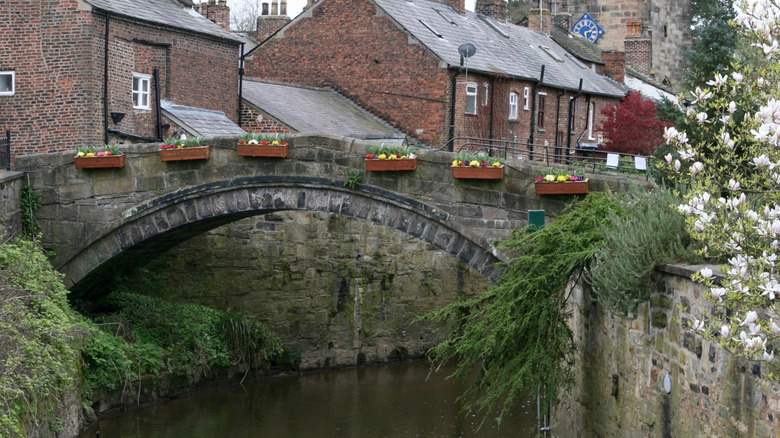
The village itself is lovely to walk around. While it takes barely more than 30 minutes to cover most of it, you will find many reasons to stop at various spots along the way. The river is particularly scenic and worth admiring as you wander. The village has multiple river crossings, but the most iconic is the 1600s Croston Bridge, a former crossing for packhorses. Stop in the middle to look up and down the small river, which flows alongside lush foliage and compact back patios of local homes. The bridge is next to Church Street, one of the village's most historic and photogenic. After admiring the river, pop into Thyme On The Yarrow, a locally owned cafe serving coffee, toasties, soups, and sweet treats.
You'll find longer and arguably more scenic nature walks if you venture outside the village. The Croston Circular is a popular 8.8-mile-long loop route that takes you from the village out into the surrounding Lancashire countryside. The route has some nice moments where you're walking alongside the river or past fields with grazing horses and sheep. It's also possible to simply follow the River Yarrow east from Croston to Eccleston Bridge. The walk takes about 45 minutes one way, and once you reach the bridge, you can carry on down the road another 20 minutes into the village of Eccleston.
When you arrive back in Croston after your ramble, treat yourself to a hearty meal and refreshing ale in one of the village pubs. The Wheatsheaf has outdoor seating when it's sunny or a cozy interior for winter. Choose a cask ale for a proper British pint and tuck into a seasonal menu with mains featuring fish, burgers, loaded fries, and steak.
Croston's historic sights and charms
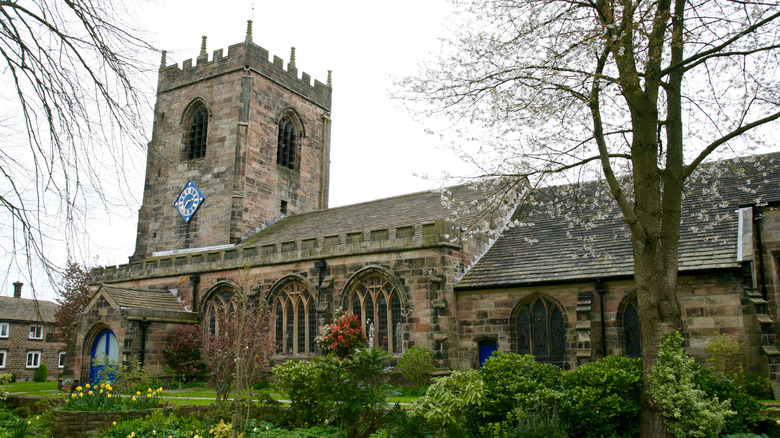
Croston's history goes all the way back to the 7th century, which is when a preaching cross was allegedly erected here. That cross no longer exists, but you can find a 1950s stone cross with a 17th-century base standing where that original one was planted at the end of Church Street. The cobblestone lane also leads to the mostly 16th-century St. Michael and All Angels Church, which still retains its Norman doorway. Elsewhere along Church Street you'll find a Grade II-listed building that was once the village forge. Croston Old School also sits next to the church, showcasing Grade II-listed buildings that now host weddings, live music, exhibitions, and other private events.
Combine history with a refreshing drink at The Lord Nelson, one of Croston's oldest pubs dating back to the 1600s. The heritage-listed building has a quintessentially British aesthetic with tables spread outside. Inside, low ceilings with exposed timber rafters match the antique furnishings and décor. A fire is usually going when the weather's cold, and the dart board and boules court keep patrons entertained. "Great little boozer for all occasions," one patron said in a Google review. Just remember to honor rounds, queues, bar service and other unwritten rules when visiting a British pub.
You can get to Croston in about 45 minutes via car or just over one hour on trains from Blackpool, a city Rick Steves describes as a tacky tourist town that's a "joy to wander." If you're coming from Manchester, give yourself an hour on the trains or driving. Croston only has one hotel, Black Rabbit, which offers unique and characterful rooms downtown. Fancy seeing another town nearby? Drive about 15 minutes to Chorley for rolling hills, a walkable canal, and outdoor fun.