
Forget Florida, Retire To This Tropical Asian Island With Gorgeous Beaches And Affordable Living
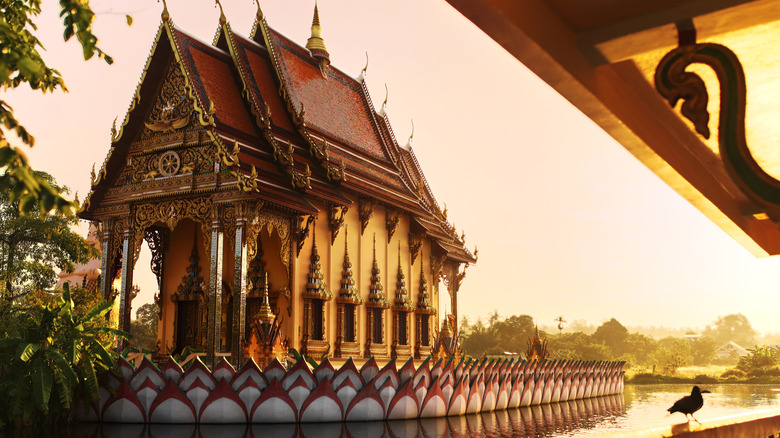
Considering a move to retire somewhere sun-drenched? Florida is certainly a popular choice among North Americans, but what if you're looking for something considerably further afield? A tropical destination, with a climate ranging from 81 to 90 degrees Fahrenheit, the Thai island of Koh Samui is a glorious destination. The weather is not dissimilar to Florida's, moving through dry and rainy seasons throughout the year, but as a retirement spot, it's a more affordable option that's small, friendly, and easy to navigate.
Koh Samui is in the Gulf of Thailand, about 300 miles south of Bangkok. It's the third-largest island in Thailand, but getting between beaches and villages is easy by car or cheap local taxis. A flat ring road loops the coast, linking the main spots, or you can stay put in one of the beachside hamlets that are easy to stroll around. But, given the climate, retirees may prefer to take their walks in the morning or around sunset when the temperatures are milder.
Tourism has changed Koh Samui a lot since the first travelers began arriving in the 1970s. Huge resorts, beach clubs, and restaurants have sprouted in just about every corner, and for retirees considering making Koh Samui home, it's got all the amenities, with big hospitals and affordable private healthcare. But you'll still find original coconut plantations, fishing villages, and Buddhist temples, too. That said, the island is first and foremost known for its beaches, from busy Chaweng to the quieter stretches around Lipa Noi. Numerous ferry companies from the mainland serve Koh Samui, but as the island has its own airport with almost hourly links to Bangkok (a one-hour flight away), it's easy to reach from abroad via a transit in the Thai capital.
Koh Samui's tropical beaches
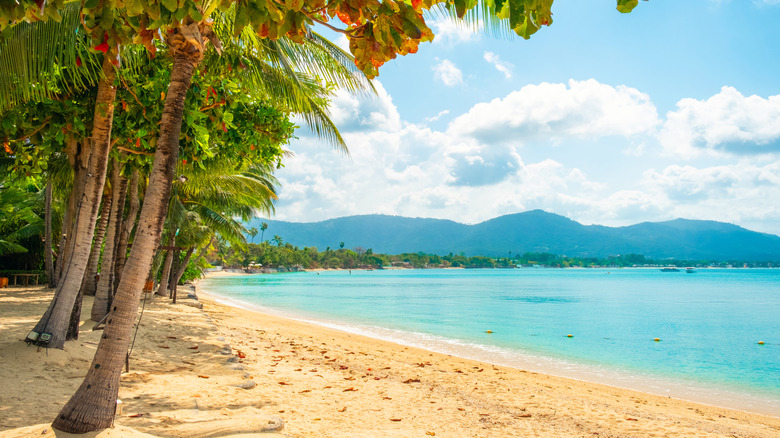
One of the main attractions of living on Koh Samui is its stunning beaches. Sure, Florida is blessed with incredible shoreside destinations, but Koh Samui is tiny when compared to the Sunshine State, which means retirees have a choice of beaches without having to travel far. The aquamarine sea is always nearby, so a morning swim or a walk along the sand can become part of everyday life, rather than something reserved for vacation. Koh Samui's beaches aren't secret tropical sands like those of Mae Phim – the largest villages have grown around their beach.
Chaweng is the busiest option, with a long stretch of soft sand and plenty of restaurants, shops, and services close by. It can be lively and is the one corner of the island that sees a fair bit of traffic, in case you're driving. Farther south, the alcoved Silver Beach is a slightly calmer option, especially if you arrive early in the morning and snag a shaded spot.
On the north coast, Maenam is a good choice if you want space and a slower pace. Its long beach is backed by trees and has enough local restaurants nearby yet doesn't feel too built up. Bophut offers a good swimming spot with a lengthy beach alongside Fisherman's Village, where you'll find restaurants, shops, and places to sit by the water. On the west coast, Lipa Noi has calm water and gives retirees with mobility considerations easy access to the sea without the resort atmosphere. For anyone considering a move, the northern and western beaches offer a quieter, more local version of island life. Koh Samui's beaches are more accessible than those on Koh Chang, another popular island paradise in Thailand, which lacks the development and infrastructure of Koh Samui, making it best kept for a short visit.
Affordable living on Koh Samui
For retirees, one of the attractions of life on Koh Samui is that your money can go further than it does in many U.S. states — including Florida — which is, of course, one of the main reasons to retire abroad. Just how far you stretch your dollars in Koh Samui depends on the lifestyle you choose. A couple living simply could manage on as little as $1,500 a month, according to International Living, while retirement experts Crown Relocations suggest that between $2,000 and $2,500 is a more comfortable budget, giving you more for restaurants, outings, and a centrally located home.
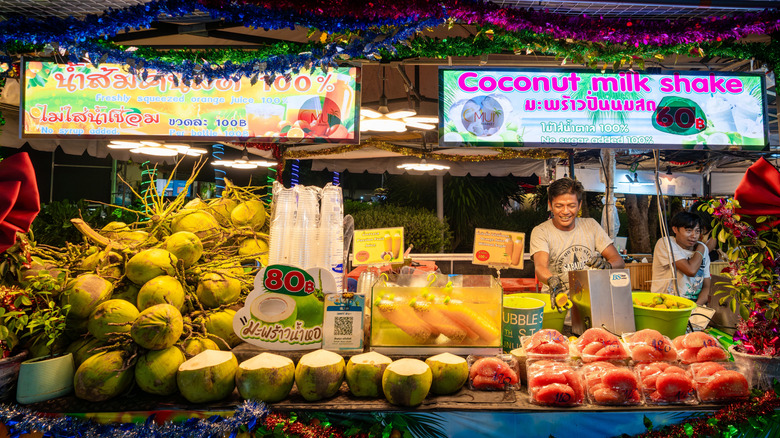
Rent is the biggest variable. A one-bedroom apartment or small house away from the main tourist areas can start at around $450 a month, while a modern house or a two-bedroom condo in a popular area like Chaweng can be at least a few hundred dollars more. Buying is another matter, with prices varying widely by location, size, and proximity to the beach. Food is where Koh Samui can feel high value. Dining at a local Thai restaurant might cost $5, while a meal in a mid-range restaurant serving Western cuisine is closer to $10 to $20 per person. Imported food and Western brands cost more, so shopping locally or eating at the local street food markets can make a noticeable difference.
Utilities, internet, and mobile phone bills are generally very manageable, although air conditioning can push up electricity costs. Healthcare, transport, and domestic help can also be relatively affordable. In fact, local health care insurance including hospital stays can be as little as $2,600 a year for a couple, per International Living. The key is that Koh Samui lets you choose your level of spending. For retirees, that flexibility is what makes Koh Samui life both comfortable and practical.