
Bangkok And Phuket Are Way Too Crowded — visit Thailand's Secluded Paradise For A Quieter Beachy Getaway
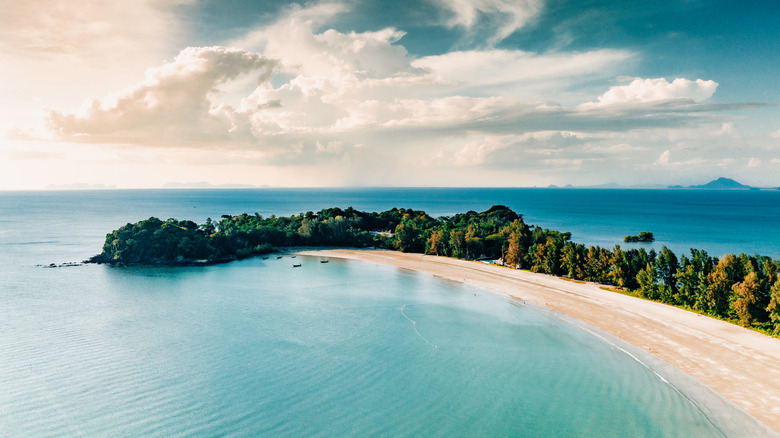
Thailand's tourism sector is consistently strong, with over 30 million international visitors annually. While tourists tend to center their itineraries around classic Bangkok and Phuket (one of the world's most overcrowded destinations), they are not necessarily the places to go when all you really want is to slow down and escape the crowds. If your idea of a tropical vacation looks more like long stretches of uncrowded white-sand beaches and pristine forests, along with a good mix of outdoor activities for the whole family and plenty of accommodation options, there is another destination worth putting on your radar: Koh Lanta.
Located in the Krabi province, off Thailand's southern Andaman coast, this roughly 18-mile-long island sits at the heart of an archipelago comprising around 50 smaller islets. The main island (Koh Lanta Yai) features a well-developed northern and western coast, with prominent beaches such as Klong Dao, Klong Nin, and Phra Ae. Much of the southern island remains covered by protected natural areas, including a portion of the roughly 51-square-mile Mu Ko Lanta National Park, which encompasses over 20 islands. Koh Lanta Noi, located across the channel from the main island and connected by the Siri Lanta Bridge, is even more secluded, with a largely rural landscape of agricultural plantations, fishing communities, and far fewer tourist amenities.
Getting to Koh Lanta may require a little more effort than reaching more renowned beach destinations like Krabi or Phi Phi, but it is still relatively easy. A convenient option for most visitors is to fly into Krabi International Airport and continue by car, speedboat, or ferry to the island. You can also reach Koh Lanta from nearby destinations, including Phuket. Once you're there, the easiest way to explore the island is by renting a scooter or bicycle and taking advantage of its well-connected road network.
Koh Lanta's beaches
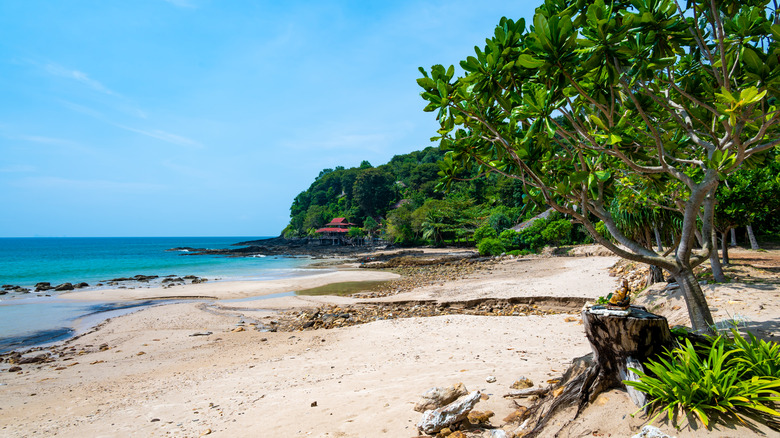
Koh Lanta Yai's western coast is home to some of its most beloved beaches. The sandy Klong Dao Beach to the north is known for its wide shoreline, gently deepening waters, and easy access to restaurants, resorts, and other visitor services, making it a convenient choice for families. It also boasts a strategic location near the town of Sala Dan, Koh Lanta's primary arrival point for visitors coming from nearby islands. Not far from Klong Dao is Phra Ae. Running for more than 2 miles, it is the longest beach on the island (hence its nickname, Long Beach). It offers the classic Southeast Asian beach experience: a spacious stretch of sandy coast lined with plenty of dining spots and accommodations.
Farther south, you will find quieter, more rugged beaches, such as Nui Beach, Klong Jark (or Klong Jak), and Bakantiang Beach. The latter balances a secluded position with easy access to facilities, and it has been regularly been touted as one of the most beautiful beaches in the country. Just a short drive away is Bamboo Beach (known locally as Ao Mai Phai). While it is located just a five-minute drive from Mu Ko Lanta National Park, it does not require the admission fee charged to enter the protected area. Keep in mind that amenities here are minimal.
A short drive away from Bamboo Beach are also some of the outdoor attractions that make Koh Lanta one of the must-visit destinations in the country, including the picturesque Khlong Chak Waterfall. The waterfall can only be reached by foot: the total length of the trail is a little less than 1.5 miles, or about a one-hour walk (or you can also take a 2.6-mile "extended" trail). About halfway, you'll find the Khlong Chak Bat Cave (or Tiger Cave), renowned for its impressive speleothems.
Where to stay, what to eat, and the best time to visit Koh Lanta
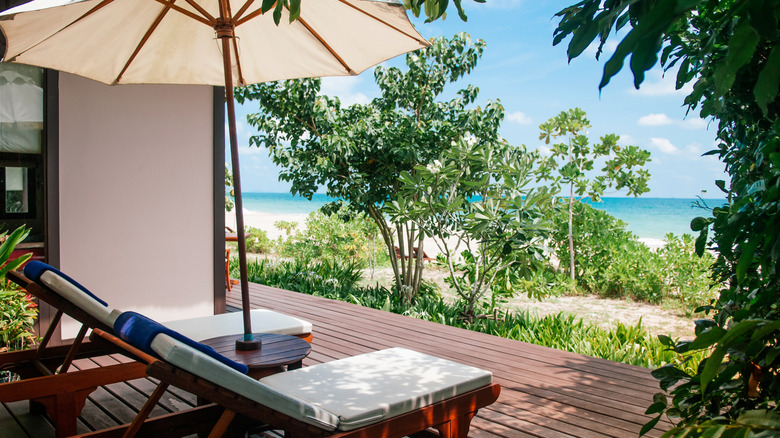
Despite its quieter reputation, Koh Lanta has developed enough infrastructure to accommodate different budgets, from luxurious beachfront resorts to more affordable guesthouses and bungalows. At the higher end is Pimalai Resort & Spa, featuring elegant suites and private villas immersed in over 100 acres of lush tropical vegetation. Set along Bakantiang Beach, the eco-luxury stay is a quiet escape, with easy access to the more remote southern part of the island.
The culinary scene is equally eclectic. Three Sisters Restaurant, near Klong Khong Beach, serves flavorful Thai staples such as spicy papaya salad with fish or meat, green curry, as well as a variety of stir-fried dishes and fresh seafood, all at relatively modest prices (just be mindful not to make these mistakes when at a traditional Thai restaurant). With over 600 Google reviews, Turtle Beach Restaurant rocks international cuisine — think burgers, pizza, steaks, and pasta, alongside Thai classics like beef pad kra pao. The venue is set directly on the beach, not far from Sala Dan, and offers spectacular weekly fire shows. Near Saladan Pier, you can explore the Walking Street night market and try local street food, such as mango sticky rice, grilled skewers, and roti (a crispy flatbread, often served with banana and condensed milk).
The best time to visit Koh Lanta is generally from November through April, when the weather is drier and the Andaman Sea is calmer. December through February tends to offer optimal weather conditions, although it is also the busiest period. The pleasant temperatures and rare showers make Thailand a perfect destination for your December travel bucket list. On the other hand, during the rainy season (which runs roughly from May through October) some hotels, restaurants, and boat services might operate on a reduced seasonal schedule.