
The 10 Best Charming And Historic Main Streets In Ohio
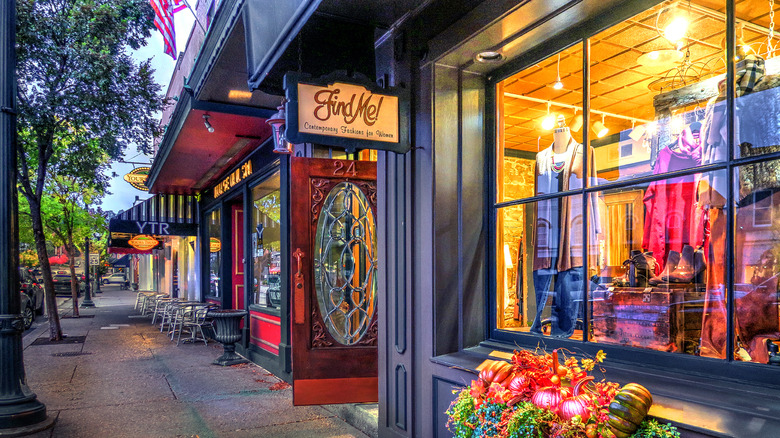
Ohio may be best known for its major cities, Lake Erie shoreline, and diverse state parks, but some of its most charming places are found along a single stretch of pavement. Across the Buckeye State, historic main streets wind through downtowns lined with brick storefronts, Victorian-era buildings, leafy sidewalks, and preserved commercial blocks.
Many of Ohio's most charming main streets developed during the state's early pioneer days as gateways to the west. Towns formed around transportation routes, rivers, canals, and growing rail networks with walkable downtown centers. Today, their historic buildings house independent shops, boutiques, bookstores, and other local businesses, alongside thousands of parks, public squares, churches, performing arts centers, and civic buildings. In southeastern Ohio, for example, Marietta's historic streets meet the Ohio and Muskingum in a scenic riverfront downtown. Granville's Broadway reflects the New England influence of its founders, and Medina's historic public square provides a picturesque centerpiece for its downtown.
To select the 10 best charming and historic main streets, we focused on downtowns with well-preserved historic architecture, walkable layouts, and a concentration of locally owned businesses and community landmarks. We also considered each main street's historical significance, the condition and continuity of its historic buildings, and the overall character of the community. Although restaurants weren't a huge consideration here, if you're a foodie, check out these 10 underrated Ohio towns with vibrant food scenes and hidden-gem restaurants.
Front Street, Marietta
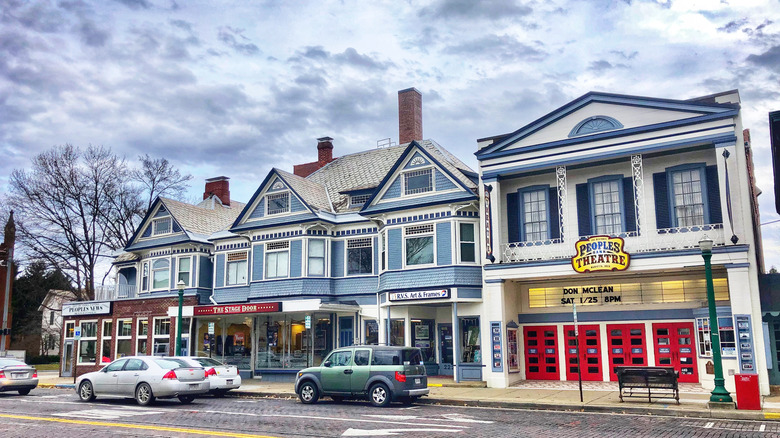
Front Street anchors Marietta's historic downtown with a tight concentration of local businesses extending along the Muskingum River waterfront. Founded in 1788, Marietta was the first permanent settlement in the Northwest Territory. Some of the town's most historic spots are within a block of Front Street, like the Campus Martius Museum, which dates back to the town's founding and was originally built to protect the Ohio Company during wartime. Local businesses line Front Street — some key stops include The Cook's Shop at the Ohio River confluence and the Riverfront Bar & Grille in the historic Lafayette Hotel.
East Broadway, Granville
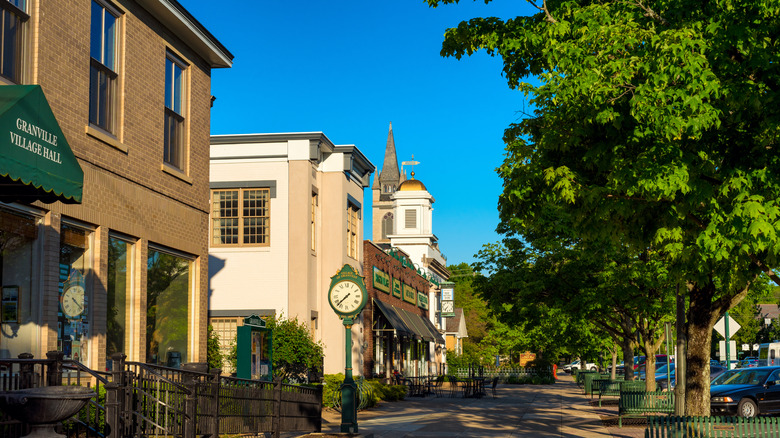
Granville's East Broadway forms the heart of its historic downtown, where locally owned shops and preserved 19th-century buildings reflect the village's New England-inspired roots. Founded in 1805, Granville retains much of its early character. Notable Broadway landmarks include the Granville Inn — which dates back to 1924 — and its neighbor across the street, the historic Buxton Inn. Some of the most charming local businesses on the strip are the stationery store Just Write and the Green Velvet gift shop. Another key historic stop in town is the Robbins Hunter Museum, which is a Greek Revival structure built in 1842.
East Main Street, Sugarcreek
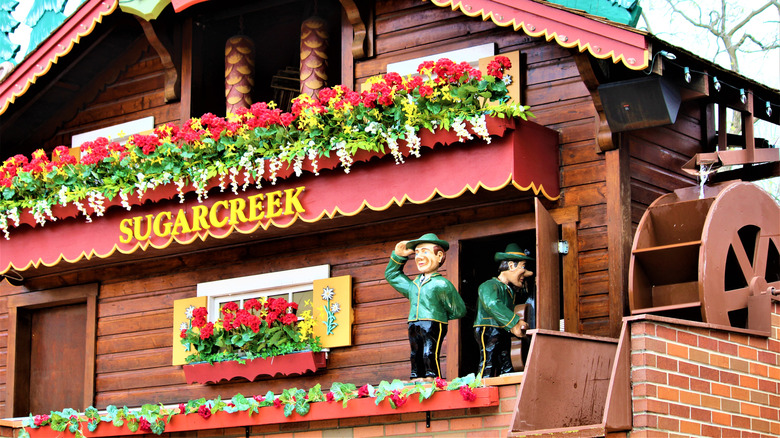
East Main Street in Sugarcreek runs through the heart of this Tuscarawas County village founded in 1803 and known for its Swiss heritage, earning it the nickname "The Little Switzerland of Ohio." The town's best-known landmark is the World's Largest Cuckoo Clock, which stands above the city at over 23 feet high. Another Swiss touch on Main Street is the Alpine Hills Historical Museum and Information Center. Grab a coffee at Collective Coffee Co. and continue on past Bavarian-inspired architecture, Swiss flags, and local businesses showcasing Amish goods like Esther's Home Bakery.
Main Street, Hudson
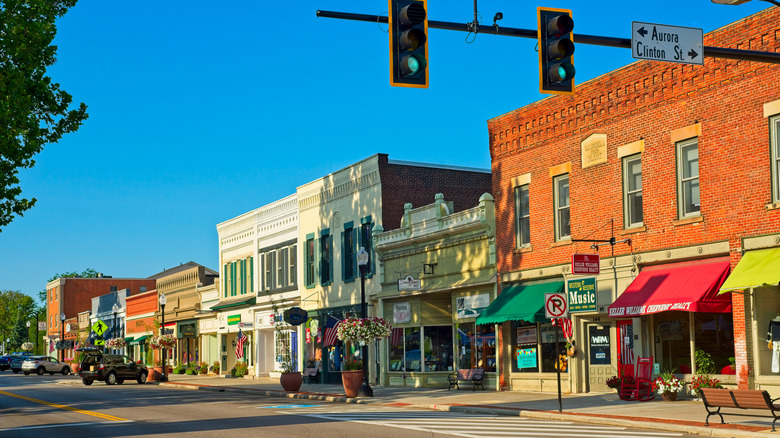
Hudson's Main Street is the center of this under-the-radar Ohio city with tree-lined trails, farm-fresh finds, and scenic golf near Cleveland. Founded by Connecticut settlers in 1799, Hudson developed around the Western Reserve College and retains much of its early New England-inspired architecture. Once called the "Yale of the West," former college buildings line Main Street in what is now a large boarding school complex — the Western Reserve Academy. History extends beyond the academy, with sites across Main Street including the First Congregational Church of Hudson, the Clocktower, and charming local businesses centered in the North and Main Shopping District.
Court Street, Medina
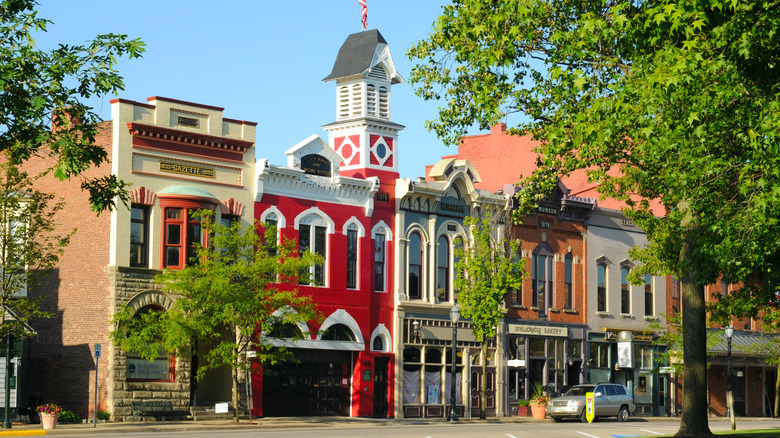
Court Street anchors Medina's historic downtown, surrounded by tree-lined sidewalks and preserved 19th-century buildings. Founded in 1818, the city developed as a county seat, and its courthouse square remains a bustling public space into the modern day. The Medina County Courthouse, built in 1821, anchors the square with an array of quaint storefronts nearby, like Castle Noel — a year-round Christmas entertainment attraction — and the Medina Town Hall and Engine House Museum. Other notable stops along the scenic boulevard include Reverie Gift Shop and the 17 Public Square restaurant with seating overlooking the famous green space.
North Broadway, Lebanon
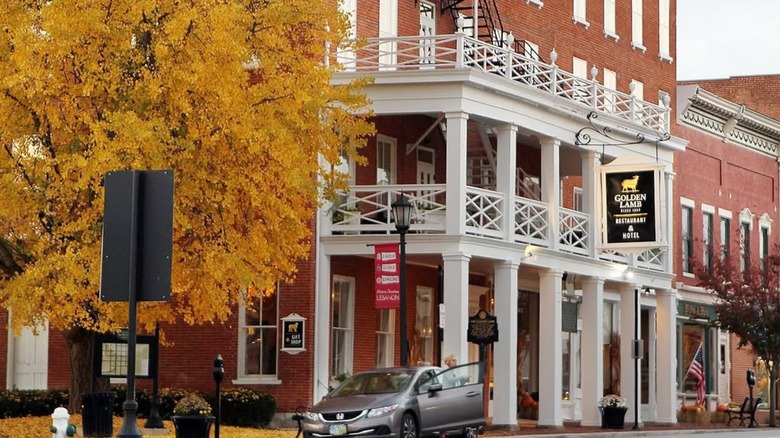
Lebanon's North Broadway runs through the heart of this historic Warren County community, sandwiched between Cincinnati and Columbus with a timeless downtown scene. Founded in 1802, Lebanon is filled with historic structures like the Warren County Courthouse located a few blocks away, the Golden Lamb Hotel — which opened in 1803 — and the Glendower Historic Mansion and Arboretum. Although the museum is permanently closed, it is still a beautiful site worth strolling past. Quaint shops along Broadway add to the town's charming character, including Ambassador's Antiques, the Enchanted Candle Apothecary, and the Cedar Shack Gift Shop.
Liberty Street, Wooster
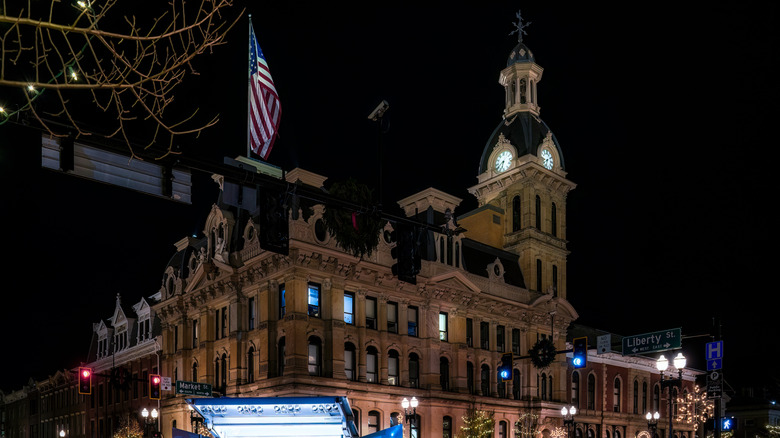
Liberty Street is the centerpiece of historic downtown Wooster and is lined with preserved brick buildings. Founded in 1812, Wooster was named the county seat of Wayne County and grew around its municipal courthouse and commercial district. The courthouse has been open since 1878 and features a clock tower as well as an extensive Law Library open to the public. Another must-stop is the scenic Wooster Public Square, which is surrounded by quaint shops and restaurants. Broken Rocks Cafe & Bakery is located directly off the square, as is the highly rated Rox Gastropub under the same owner.
Main Street, Vermilion
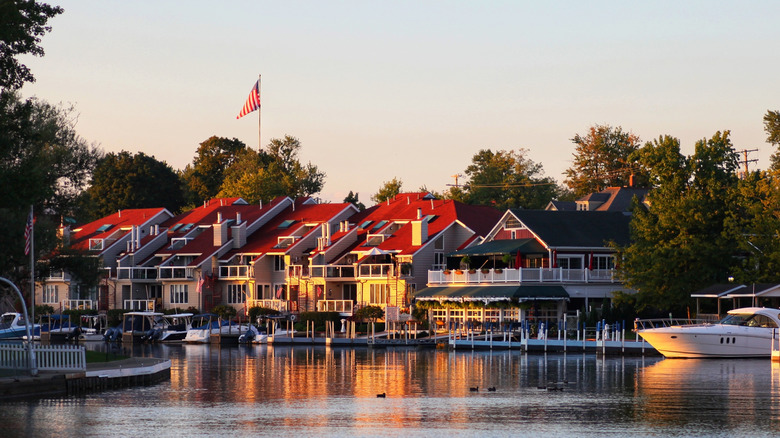
Vermilion's Main Street runs through the heart of this Lake Erie community and connects the historic downtown with the waterfront. Founded in 1817, the city developed around the Vermilion River. One of the town's key landmarks is the Vermilion Lighthouse — which sits at the tip of Main Street, constructed in 1877. Moving away from the lake, historic homes and commercial buildings pepper downtown, like the Old Vermilion Town Hall Building. Visitors also have the unique opportunity to spend a night in the Old Vermilion Jailhouse, which has since been converted to a bed and breakfast.
Sandusky Street, Delaware
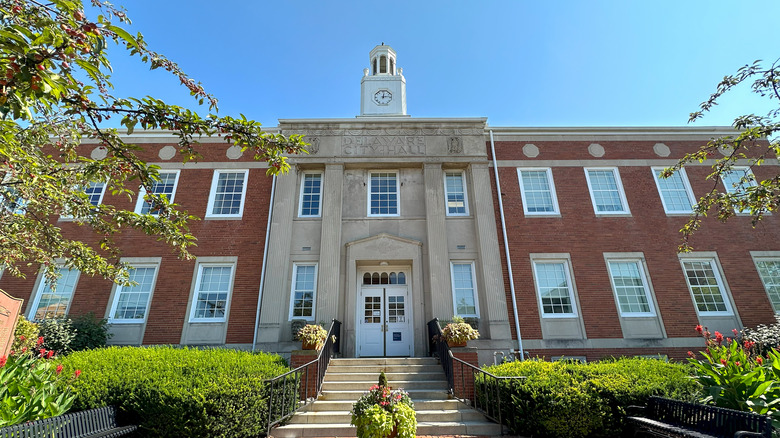
Delaware's Sandusky Street is the heart of this Ohio town and is lined with brick storefronts and buildings dating to the 19th century. Founded in 1808, Delaware grew around the Olentangy River. Delaware is also home to the county seat and its associated Historic Delaware County Courthouse, which opened in 1869. Wander along the Sandusky Street Historic District, where you'll find independent businesses like the quirky GOAT LOCAL shop, Homestretch Apparel, and several coffee shops, from the popular Coffeeology to the Fresh Start Cafe and Bakery.
Main Street, Chagrin Falls
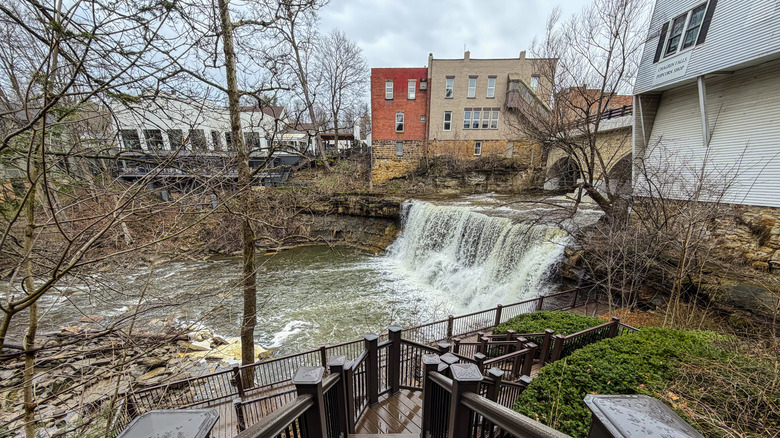
Chagrin Falls is a picture-perfect town where artistic energy flows alongside cascading falls and cozy cafes. Main Street is the main commercial hub and intersects the Chagrin River. Founded in 1844, the community grew around the river and its namesake 20-foot waterfall, which remains its defining landmark. Chagrin Falls features a handful of sites listed on the National Registry of Historic Places, including Township Hall located on Main Street. The Chagrin Falls Historic District includes preserved buildings and shops like the riverfront Chagrin Falls Popcorn Shop and Lemon Falls Cafe and Marketplace.