
Between Munich And Stuttgart Is A German City With Historic Churches, Danube River Views, And Vibrant Culture
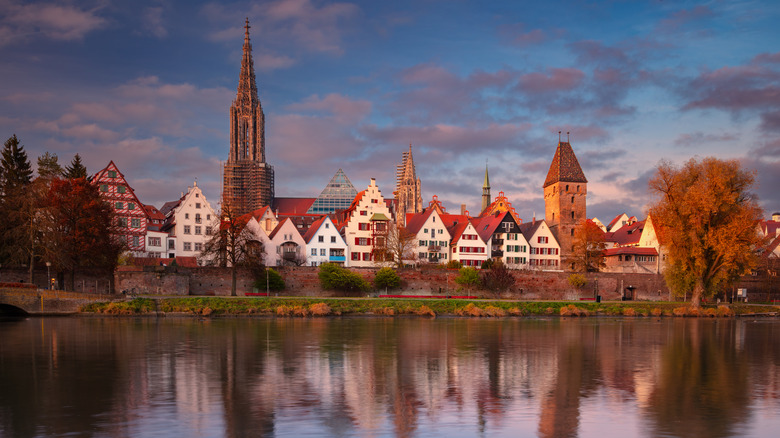
If you want to do some vacation name-dropping, you can always visit cities like Munich and Stuttgart. But Germany has plenty of other towns with their own unique identity, history, and charm that are just as worthy of a visit. Ulm is one such place, and if it isn't a city you'd consider name-dropping, then perhaps the name Albert Einstein will change your mind. The famous scientist was born in Ulm, but the city's famous former resident isn't all that makes it a special place.
Like most other German cities, Ulm has a lot of history. For a town that dates to the 9th century, that's not surprising, but it doesn't take long to notice the confluence of the old and the new in Ulm. Modern buildings like the Stadthaus Ulm, a stark white architectural beauty that hosts modern art and photography exhibits, sit alongside historic buildings like the Ulm Minster, a Gothic cathedral with the tallest steeple in all of Germany. Construction on this massive church began in 1377 and took 613 years to complete. Generations of craftsmen dedicated their lives to its completion, knowing it would never be finished in their lifetimes. The Minster sits in Münsterplatz Square, where old and new buildings share space.
If you ask a local where to visit in Germany, they may not mention Ulm, but don't let that stop you from discovering this wonderful city. It's very easy to get there — by car, Ulm sits about 90 miles west of Munich and about 60 miles southwest of Stuttgart, but you can also get there by the German rail system, the Deutsche Bahn, which offers direct trains from both Munich and Stuttgart.
Beautiful views of the Danube are hard to miss in Ulm
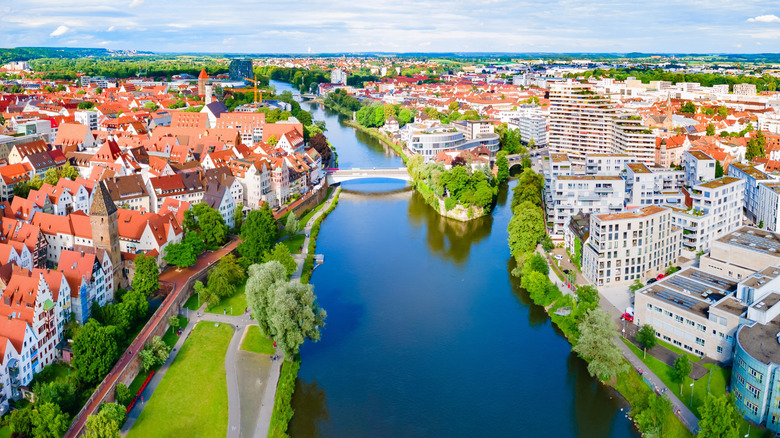
The legendary Danube River flows from the Black Forest all the way to the Black Sea in Ukraine, and it passes through Ulm along the way, separating Ulm on the Baden-Württemberg side and Neu-Ulm on the Bavaria side. A riverboat cruise along this waterway is one of the most romantic cruises you can take, or you can simply visit Ulm and enjoy a historic German city while you take in beautiful views of the river from different vantage points. The area was once surrounded by a fortified city wall that still stands in some places, like the old section of the city along the Danube. Walking along the top of the wall is not only a great way to explore the city's history, but also an opportunity to enjoy views of the river while you stroll.
For aerial views of the whole city and the beautiful Danube, make the climb up the church tower at Ulm Minster. But if you want to get a closer look at the river, Ulm and Neu-Ulm are connected by bridges with pedestrian lanes that are perfect for a relaxing stroll. You can also switch it up and enjoy views of the city from the river on a river-boat cruise that takes you up and down the river past Ulm and Neu-Ulm. The Ulmer Spatz offers one-hour round-trip boat tours that run during the warmer months (from May through September) and is a great way to enjoy the river and get a different perspective of the city.
Cultural experiences in Ulm reflect centuries of history
Whether you want to spend the day taking in modern art exhibits or visit centuries-old buildings, Ulm has plenty of options, from museums like the Kunsthalle Weishaupt Gallery, which has been displaying the work of contemporary and modern artists like William de Kooning and Andy Warhol in the city since 2007, to the Danube Swabian Central Museum, a museum dedicated to preserving and sharing the history of life on and around the river in the Danube region of Germany.
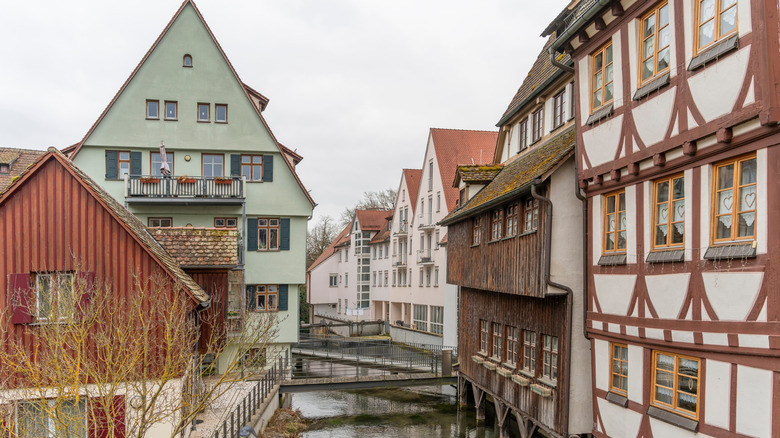
Ulm's Fischerviertel district (the Fisherman's Quarter) is a part of the city worth exploring for its narrow alleys and waterways lined with quirky, half-timber buildings. This area was once home to fishermen, tanners, and other working-class residents of Ulm, and today it is a popular tourist destination. Visitors can explore the shops, enjoy tasty meals in the many restaurants, and take advantage of the scenery for their vacation photos. If you want to stay in this neighborhood, book a room at the Hotel Schiefes Haus (also known as the "crooked house"). This traditional half-timber building has been tilted for hundreds of years and sits on (and a little bit over) the River Blau that runs through the Fishermen's Quarter.
German culture just wouldn't be what it is without its world-famous Christmas markets, and Ulm has one you won't want to miss. You'll find it in the Münsterplatz where the Minster serves as a beautiful backdrop for the holiday festivities that have been happening every year since the 14th century. Ulm's culture spans centuries of history and growth, so there are endless ways to experience it, from exploring its museums and neighborhoods to the stories you'll hear chatting with locals in the city's restaurants and shops.