
Between St. Louis And Mark Twain National Forest Is A Tucked-Away Park With Camping, Trails, And Fishing
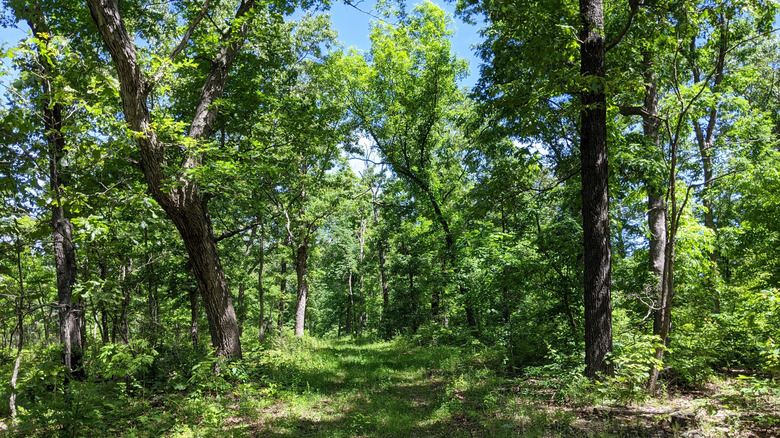
Heading southwest from St. Louis, travelers can watch suburban development fade, giving way to the wooded ridges, old forests, rocky glades, and carved hollows of the Missouri Ozarks. One tucked-away conservation area is a particular draw for nature lovers looking for seclusion. Near St. Clair and Sullivan, Little Indian Creek Conservation Area protects more than 4,200 acres across Franklin and Washington counties. The nearby community of Lonedell is about 47 miles from St. Louis (just about an hour's drive), making it a doable day trip destination for anyone seeking a no-frills nature retreat within easy reach of the city. However, Little Indian Creek feels much farther removed from city life once you're there.
Oak and shortleaf pine forest fills out the property, with rugged glades, open woodland, and creeks worth more exploration. Missouri acquired the land for the conservation area in 1978 after it saw decades of pasture use, timber production, and row cropping. Today, the Missouri Department of Conservation uses prescribed burns, glade restoration, tree planting, and timber management to improve the area's wildlife habitat. The variety of landscape is a big part of its appeal. The conservation area's namesake creek runs through the property for just over half a mile, while tributary streams in Simons Hollow cut through the campground loop. In spring, hikers can look for native plants like Virginia bluebells popping up alongside the creek's shore.
Visitors should note that there aren't a ton of polished amenities within the conservation area. However, slopes and creek crossings add a snapshot of typical Ozark terrain to any hike, offering an escape for travelers headed toward the more vast lands of Mark Twain National Forest farther south. Visits to Little Indian Creek are all about simple outdoor recreation, with trails, primitive camping sites, fishing, wildlife watching, and hunting opportunities spread across the large landscape.
More than 20 miles of routes wind through woods, glades, and creek valleys
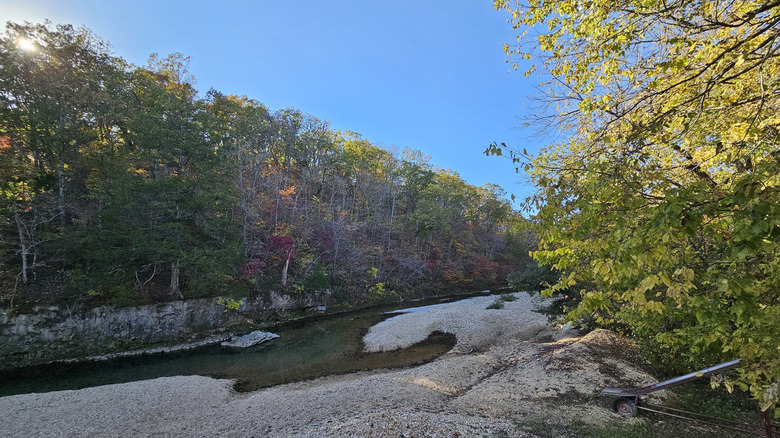
The Ozarks are a stunning scenic region for a Midwestern vacation, and hiking is one of the best ways to explore Little Indian Creek's diverse terrain. The conservation area offers more than 20 miles of multi-use trails and access roads, with a main loop covering roughly 10.5 miles. The route winds through diverse natural scenery as well as areas often undergoing habitat restoration. For any first visit, travelers may want to bring an official map and leave enough time to explore beyond the park's entrance and camping areas. Some of the prettiest viewpoints can be found several miles down the trail.
Unlike a typical park, visitors should expect something more rugged and unpaved. The park's 10.2-mile loop comes with a little more than 1,400 feet of elevation gain, making it a more challenging trek for some. Several reviewers also note the need for proper footwear — specifically something for wet creek crossings — and bug protection (here is one of Amazon's best-selling bug sprays to bring along). You don't need to complete the full circuit, though. Service roads may allow visitors to take shortcuts and return to the parking lot as needed.
Birders have plenty to see around Little Indian Creek, too. The combination of forest, glades, and open woodlands supports a range of birdlife, although experts have said the dense forest can make birdwatching a little more challenging. Birders have reported sighting a variety of species such as warblers and flycatchers in the area. Mountain bikes and horses are also allowed on designated trails, but there is an important seasonal restriction to keep in mind. During hunting seasons, the trails are closed to cyclists and equestrians, so visitors should check the most recent conservation department notices before planning a trip.
Primitive campsites and fishing attract visitors to stay near Little Indian Creek
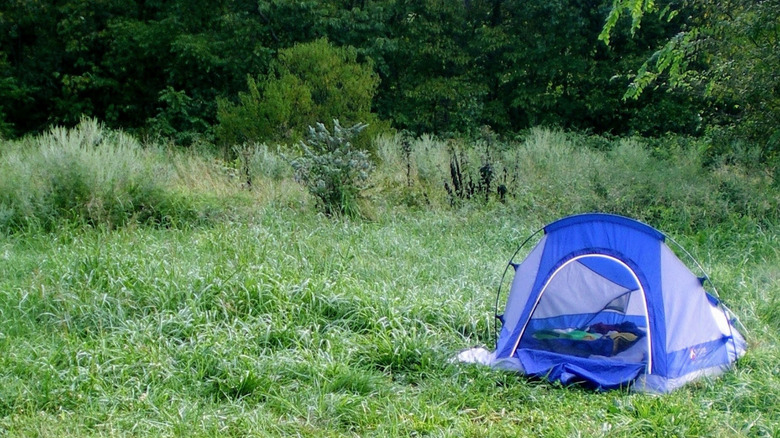
Little Indian Creek is best for travelers interested in a camping trip without many extras. The conservation area has 12 primitive camping spots and three bathrooms with vault toilets and no running water. So travelers shouldn't arrive expecting electricity, showers, or a resort-style setup. There is another rule to keep in mind: The Missouri Department of Conservation allows camping here by permit only and asks visitors to request that permit at least 10 days before their stay by calling the number listed on the area's official page. Campers should also bring their own water and supplies, as primitive camping on conservation lands comes with few amenities and no RV hookups.
Anglers can spend quiet parts of the day fishing as well. While Little Indian Creek itself runs through only a small portion of the property, the conservation area notes a pond on its official map as well as other creek and stream areas to drop a line. The visitor page currently lists sunfish as a popular catch in the park, but anglers online have reported catching a variety of bass and pumpkinseed fish as well. Regulations for the area's lakes and ponds also have limits for catfish, black bass, crappie, and other fish, including the mandatory release of black bass measuring between 12 and 15 inches. So anglers should read up on the rules before packing their tackle box.
Anglers and campers can stay outside of the conservation area's normal 4 a.m. to 10 p.m. public hours. However, hunting is also allowed seasonally, so hikers and campers should check official schedules before planning a fall or spring visit. The Little Indian Creek Conservation Area is best for travelers who value solitude over convenience. It's easy to hike through forest and glades during the day, spend an hour beside the rushing water, and then settle into a simple campsite as the sun sets.