
Between Newcastle Upon Tyne And Alnwick Is A Coastal Village With An Award-Winning Beach And Historic Sites
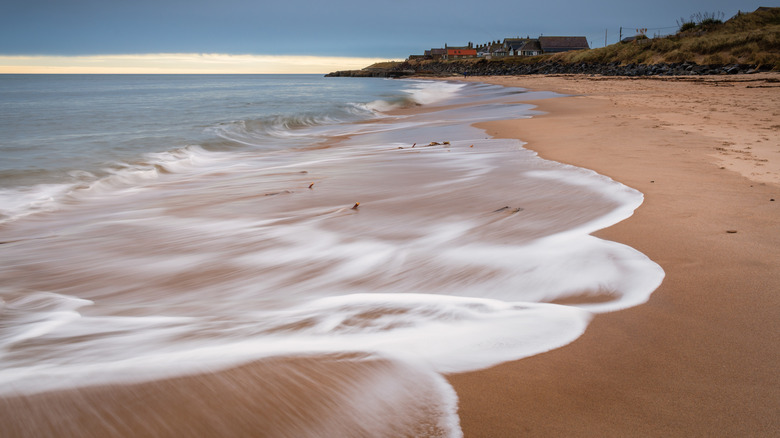
Northumberland's heritage coast is known for its wide stretches of sand, gorgeous scenery, and abundant surrounding attractions, including castles and coves. The beaches are beautiful, clean, and quiet, and if you're looking to incorporate all that into a peaceful English countryside getaway, there's one place that might check all your boxes. Cresswell is a tiny village of just over 200 year-round residents, but visitors are often drawn by its unpretentious charm as well, especially families and outdoor enthusiasts (via City Population).
Cresswell Beach is a major highlight, featuring golden sand, exceptional views, convenient amenities, and birdwatching opportunities. Beyond the waterfront allure, Cresswell also offers visitors the opportunity to dive into its history, whose roots date back to 1234, according to the Cresswell Neighborhood Plan. The local Pele Tower, believed to have been built between the 14th and 17th centuries, is a must-see landmark that's been well preserved throughout the years. There's a nearby 19th-century church that's worth visiting, too.
Despite its modest size and quiet atmosphere, Cresswell is easy to reach. You'll find it nestled right between Newcastle upon Tyne (which is 25 miles to the south) and Alnwick (21 miles to the north). Trains might be difficult to find around the rural area, but the village is served by Arriva's X22 bus, making transfers to bigger hubs accessible even to those who don't want to rent a car. The nearest major airport is Newcastle International (NCL), which takes half an hour to reach by car and less than two hours via public transport. Even if you decide on driving, though, it's worth leaving your car behind for most of your trip to take advantage of Cresswell's many walkable pathways.
Cresswell is a coastal village with an award-winning beach
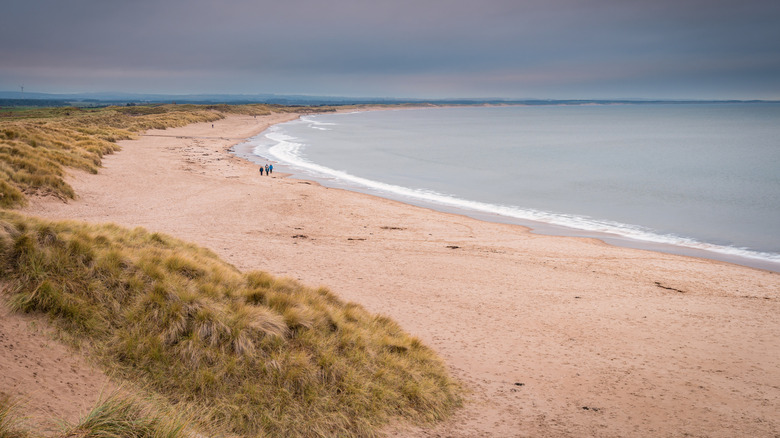
Located at the southern end of Druridge Bay, Cresswell serves as the start of the scenic Northumberland Coast Path, which stretches over 62 miles and is surrounded by whinstone outcrops, wildlife habitats, and imposing castles. And while it has no shortage of picturesque villages and sunbathing spots, Cresswell Beach remains one of the best stops, especially for families and those looking to bring a dog along. To get the most out of the village's coastal allure, though, it's worth reading through this guide on the best time to visit England for optimal weather beforehand.
Known for its gently sloping sand and rockpools, the local beach is described by visitors, including one Google reviewer, as beautiful, clean, and peaceful. It's free and features several pathways ranging from level and wide to narrow and steep. You can come here year-round, but try to pick a time when the tide is on its way out, as reported by the Beach Guide. Some visitors report coming here to fish, while others praise the rockpools. The beach is also surrounded by an array of amenities that'll make your coastal getaway that much more enjoyable, including ice cream shops, cafes, and takeaway places where you can try the local assortment of fish and chips.
As noted by the Northumberland Wildlife Trust, the beach has received a Quality Coast Award and has been recognized by the Good Beach Guide, thanks to its high quality standards, sustainable development practices, and clean bathing waters. With all that said, Cresswell is far from the only overlooked gem worth exploring in the region. Day trippers can cover the 11 miles to Warkworth next. Situated between Edinburgh and Newcastle upon Tyne, this is a historic village with a scenic castle and pristine beach.
Historic sites worth exploring in Cresswell
Cresswell's shoreline is arguably its biggest highlight — Tripadvisor names the local beach as the village's top attraction. Your itinerary, however, doesn't need to revolve exclusively around it. Cresswell sits in Northumberland, England's northernmost county that boasts scenic landscapes, castles, and shops right on Scotland's border, and its interesting past, in particular, is a facet worth exploring even if you're not the most avid history buff.
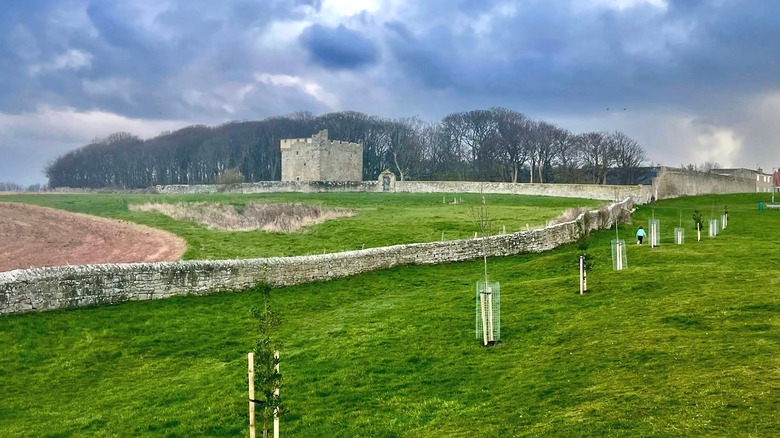
The local Pele Tower is a must-see. Built essentially as a small-scale castle between 1350 and 1600, the structure that once served as a defensible retreat is now fully renovated and open to visitors. The view from its roof is often complimented by reviewers, while the information boards and pictures provide more insight into the area's past. You can easily couple a visit to the tower with a stroll along its Walled Garden (entrance is free to both). Abandoned in the 1930s, the space is newly restored and features a pond, a greenhouse, an orchard, a gazebo, and diverse floral borders. You'll even get the chance to purchase specific species. Depending on when you come, you might catch a re-enactment or history book interpretation. And while you'll come across some short slopes and graveled sections, pathways around the garden and tower are fully accessible.
Next, consider stopping by St Bartholomew's Church, also located less than a 5-minute walk away. Constructed by the Baker-Cresswell family in 1836, this is a stone church featuring stained glass windows and a churchyard with views of the water. It's even a Grade II building on the National Heritage List for England. And if you're able to sneak another quick trip into your itinerary, consider nearby Alnwick,a quaint town with fun shops, tasty eats, and historic charm.