
Canada's Peaceful Wildlife Destination Is A Park Filled With Crystal-Clear Lakes And Scenic Camping Spots
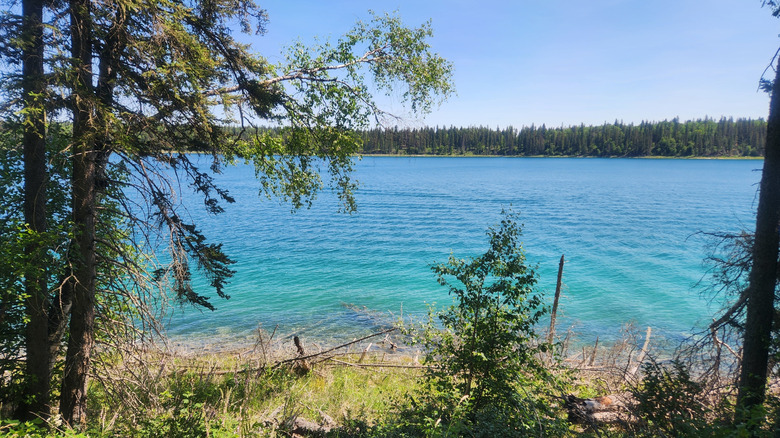
Canada's Manitoba province is known for having wide-open prairies, but Duck Mountain Provincial Park feels like you've crossed into a different part of the country. The landscape rises along the Manitoba Escarpment into heavily wooded hills, with wetlands, meadows, and lakes tucked between the trees. A morning drive offers glimpses of water through the forest, and an evening at camp involves the distant sounds of wildlife rather than traffic. It's no wonder it's considered one of Manitoba's top parks, according to Destination Canada.
Established in 1931, the park holds an impressive mix of animals thanks to its boreal and deciduous forests and upland meadows. While you likely won't see Manitoba's famous beluga whales or polar bears in Duck Mountain, the ecosystem supports species such as black bears, moose, lynx, wolves, and coyotes. Birders can listen for the calls of waterfowl and songbirds echoing across the lakes and wetlands. Nature lovers visiting Duck Mountain will also catch sight of beavers, owls, and a variety of trees and plants, such as orchids, wildflowers, and ferns. Plus, the park is scattered with sparkling, spring-fed lakes full of fish, from trout and walleye to perch, pike, bass, and more.
But its wild setting doesn't mean you have to head deep into the backcountry to appreciate it. Developed lakes and campgrounds put swimming, paddling, fishing, and hiking at the top of the to-do list, while longer trails head into quieter corners of the park. For an unexpected view, make time for Baldy Mountain, Manitoba's highest point at over 2,700 feet above sea level. The observation tower offers an unforgettable panorama of the surrounding highlands and forests. From up here, Manitoba seems very different from the flat province many travelers might picture before visiting.
Duck Mountain's lakes are worth the visit alone
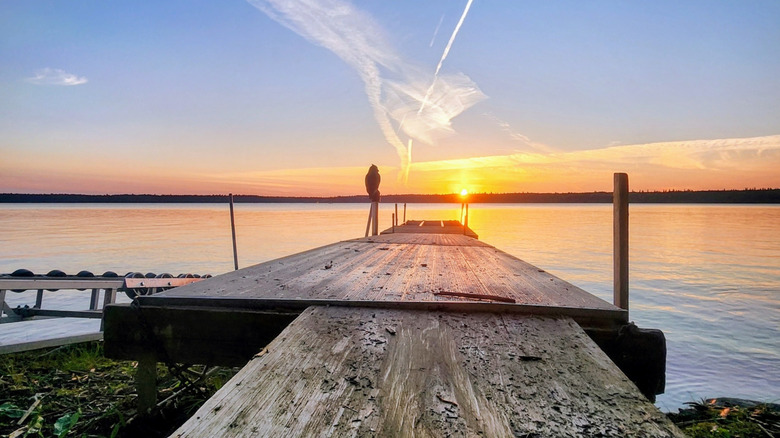
Duck Mountain Provincial Park's lakes are a major reason to visit. Remnants of ancient glacial formations, they range from wild and rugged to clear and sparkling blue. You could spend an entire visit moving between the park's most popular lakes, but there's no need to rush to check off each one (there are simply too many for that to be realistic). Instead, pick one for swimming and paddling, leave another for an afternoon of fishing, and save the park's smaller ponds, creeks, and streams for a hiking day.
One of the park's clearest lakes, according tothe Province of Manitoba, is East Blue Lake. At more than 100 hectares, this lake is popular among anglers and particularly developed for visitors. There are cottages, campsites, rental cabins, and even the Blue Lakes Resort nearby, meaning you don't need to rough it unless you want to. But East Blue Lake's stunning beauty lives up to the name, drawing visitors in even for a day trip. One YouTube creator called it "the bluest and clearest lake I've ever launched a boat in," and some visitors even come for scuba diving in the deep, clear waters. Next door, West Blue Lake also has motor restrictions that make it a nice choice for paddlers, and the Blue Lakes campground offers access to a boat launch and dock.
Other lakes in the park have their own appeal. Wellman Lake is another deep, glacial body of water. Surrounded by rugged forests, it offers swimming, boating, and fishing for walleye and northern pike. From its campground, you can also hop on the 2.4-mile round-trip Glad Lake Trail and hike from shoreline scenery into rolling woodlands. Spring-fed Childs Lake is another option that offers a swimming beach, boat launch, lakeside trails, and campground amenities. It's important to note that anglers must have a fishing license; more information on regulations is available in the Manitoba Angler's Guide. Park vehicle permits are also required and can be purchased online.
Camp beside the water without giving up the wild setting
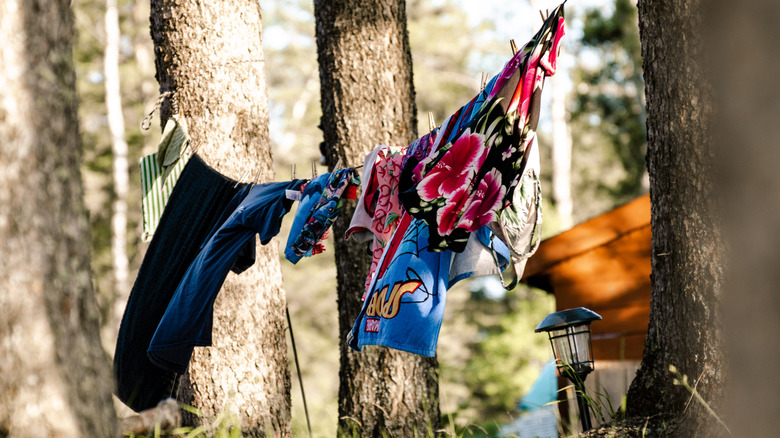
Duck Mountain Provincial Park is roughly five-and-a-half hours northwest of Winnipeg, with a number of small towns surrounding it at a distance, so getting there depends on which direction you're coming from. However, once you arrive, camping is one of the easiest ways to enjoy the park for longer than a few hours, which is ideal considering its remote location. Manitoba Parks manages campgrounds with a mix of sites (including electric hookups) at Blue Lakes, Childs Lake, and Wellman Lake, and visitors can find primitive campsites at Singush Lake. For travelers who want more comfort, rental cabins and lodges are also available around the park.
Each of the main campgrounds has a slightly different vibe. Blue Lakes sits beside a peninsula reaching into West Blue Lake, putting paddling and East Blue's clear waters just outside your door (or tent). Wellman Lake's sites are surrounded by forest and offer access to both Wellman and Glad Lakes, while the campground at Childs Lake offers a family-friendly setup with a beach, playground, horseshoe pits, and even yurts. Several of those yurts are accessible for those with disabilities, and two are designated as pet friendly.
However, don't let the developed campsites fool you into forgetting where you are. This is still bear country. Park management asks campers to keep food, cooking gear, garbage, and other items that might attract wildlife secured in a locked vehicle rather than inside tents. Here are more tips on what to do if you see a bear while hiking or camping. Visitors should also remember to always respect wildlife, one of Canada's unwritten rules, and leave no trace behind. With its rugged and unique landscapes, crystal-clear lakes, and access to camping conveniences, Duck Mountain Provincial Park is a must-visit destination for nature lovers. When you're done, explore more of Manitoba, the only Canadian province where you can spot each of the country's "Big Five" species.