
Forget Bali, Visit This Less-Crowded Destination Filled With Coastal Vibes, Pristine Beaches, And A Rich History
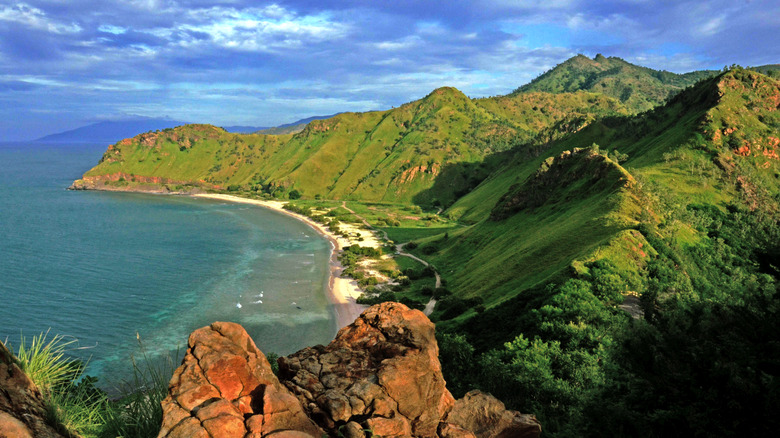
While several places boast of untouched beauty, few truly deliver on that promise. One such place is the tiny half-island nation of Timor-Leste, or East Timor, between Indonesia and Australia. Despite having the same gorgeous island vibes that characterize Southeast Asia, Timor-Leste sees fewer than 100,000 annual visitors — a fraction of the tens of millions that frequent nearby Bali.
The reason lies in Timor-Leste's history, which is characterized by a constant struggle against colonization. The Portuguese controlled the eastern half of the island from the 1500s to the 1970s, apart from a brief period of Japanese occupation during World War II. After Portugal decolonized in the 1970s, the fledgling state was immediately occupied again by a U.S.-backed Indonesia in 1975. The next 25 years were filled with protests that were violently beaten down by Indonesian troops, before a 1999 UN referendum resulted in Indonesia grudgingly retreating from the eastern half of the island. Less than 25 years after Timor-Leste declared independence in 2002, the nation's capital, Dili, has landed itself on Intrepid Travel's 2027 Not-Hot List, which shines a spotlight on lesser-traveled destinations where tourism dollars would truly benefit the local people.
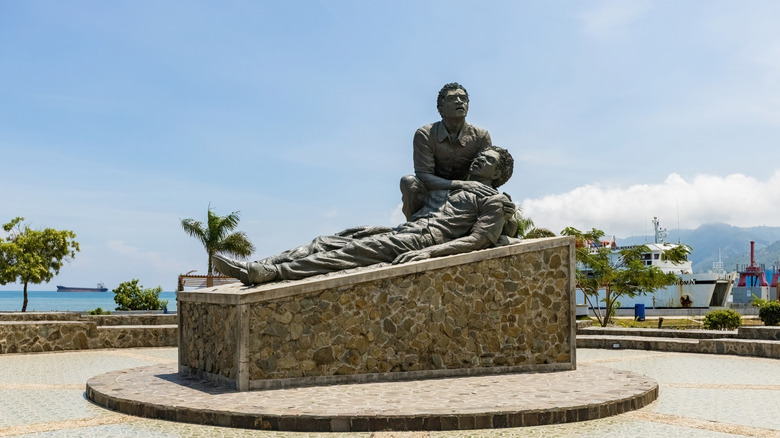
Visitors today can get a sense of its history through its monuments and exhibitions. The Cristo Rei of Dili is an 88.6-foot-tall statue east of Dili, overlooking the Bay of Dili. It was initially given by the then-Indonesian President Suharto in 1996 as an olive branch, and is a local favorite for sunrise and sunset views. Meanwhile, the Timorese Resistance Museum and Archives and the Centro Nacional Chega display the darker parts of Timor-Leste's independence struggle. Santa Cruz Cemetery marks the spot in which Indonesian troops opened fire on over 200 locals in 1991 — the exact moment that led to the 1999 UN referendum.
Dili reinvents itself through tourism
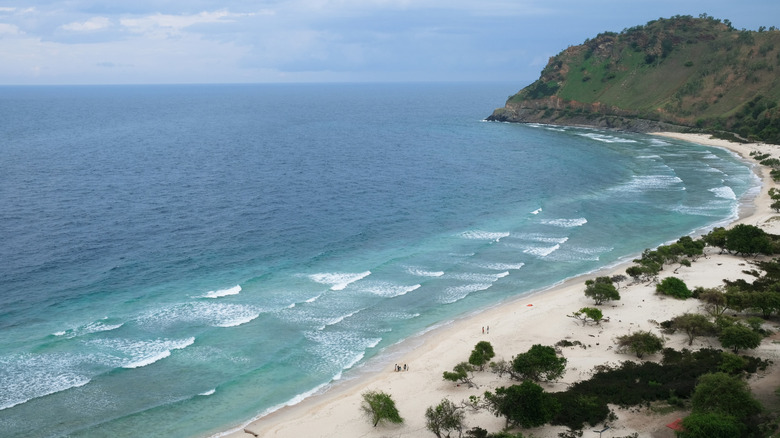
In 2025, Timor-Leste was accepted into the Association of Southeast Asian Nations (ASEAN) and has since been reinventing itself as the up-and-coming destination for beach vibes and ocean lovers. According to the US-ASEAN Business Council, Timor-Leste aims to become a hub for sustainable tourism and has set an ambitious target of 200,000 annual visitors by 2030 — more than double the current amount. The best place to begin exploring this shift is Dili's beaches.
Dili's beaches are generally calmer and clearer thanks to their northern location, compared to the southern coast's more tempestuous ocean. Its most popular beaches are Areia Branca and Dolok Oan. Dolok Oan sits behind the Cristo Rei of Dili statue, making it a great spot for a two-in-one combination trip exploring Dili's past and present. During the day, visitors can sunbathe and swim in the stunningly blue and clear waters, then head up to the Cristo Rei statue for sunset views across the sea. Or, for a more accessible beach with better tourist infrastructure, head to nearby Areia Branca. The beach gets its name from its gorgeous white sand and features local eateries and places to stay nearby. Though it gets quite crowded on weekends, weekdays are typically quieter and more peaceful.
For those looking for an even more remote coastal experience, a day trip from Dili will suffice. A short ferry ride north of Dili is the "Untouched Ecotourism Gem" of Atauro Island, famous for having the most diverse reef life in the world. However, if you have more time, the deserted tropical paradise of Jaco Island off Timor-Leste's eastern shore offers some of the best diving and snorkeling in the country. It takes 8 to 10 hours of driving and a short boat crossing to reach the island from Dili.
Things to know before heading to Dili
So many places claim to offer "untouched" beauty that we fail to understand what real untouched beauty actually looks like. Dili's beaches are beautiful and clean, but there isn't much in the way of tourist infrastructure, like beachfront resorts or watersports. However, as Anas Madeira, the Intrepid Travel Tour Leader for Timor-Leste, says in the company report, "We are not a destination where everything has been built or polished for tourists, and I think that is one of our biggest strengths."
Timor-Leste is fairly well-connected for a nation less than a quarter-century old and just slightly bigger than Connecticut, with direct flights from five cities. The most convenient route is from Bali, which is served by three airlines and has at least one flight every day. Other options include direct flights from Singapore's Changi Airport (considered the best airport for foodies), Xiamen in China, Darwin in Australia, and Kuala Lumpur in Malaysia. For those traveling by land, you'll have to fly into Kupang, Indonesia, on the western end of the island, then take a minibus journey to the Timor-Leste border. Most international travelers can get a Visa on Arrival (VOA) once they land at the Presidente Nicolau Lobato International Airport in Dili, but that facility is no longer available to those arriving by land. If you're taking the scenic route from Kupang, you'll need to apply in advance for a visa at an embassy or the consulate in Kupang.
Timor-Leste is a cash economy and uses only U.S. dollars. However, you'll have to carry smaller denominations (like five- or 10-dollar bills) because most places won't have change for higher denominations, nor will they take credit or debit cards. The VOA typically costs $30 and must also be paid for in cash.