
Canada's Once-Thriving Gold Rush Town Is Now A Mountain Community With A Vibrant Arts Scene And Recreation
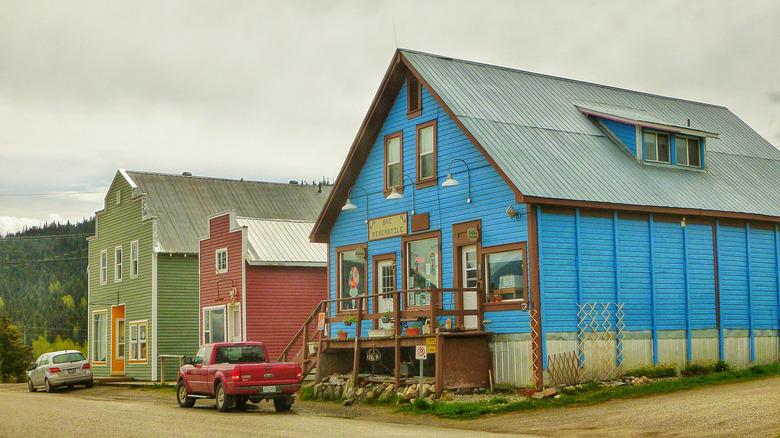
Nowadays, the mountains, forests, and rivers of British Columbia in western Canada are seen as a treasure trove of outdoor adventure, offering everything from hiking to rafting to skiing. But back in the late 1800s and early 1900s, the region lured outsiders with a different kind of treasure: gold. Starting in the mid-1800s, the Cariboo district, a remote area in the central part of the province, underwent a series of gold rushes, drawing prospectors and wealth-seeking miners. The result was a slew of mining towns popping up, including the town of Barkerville, which now serves as a living history museum. But there are other surviving towns from those times worth visiting, and one of those is Wells.
Set along the Barkerville Highway less than 10 minutes from the famous town itself, Wells is another remnant of the Cariboo's gold rush past. Founded in 1933, it was created to serve as a company town for the Gold Quartz Mine and named after the mine's owner, Fred Wells. In its heyday during the 1940s, it was a thriving regional hub for culture, art, sports, and recreation. At its height, around 4,000 lived there. With the closure of the mines in the 1960s, the town's fortunes and population both dwindled. But instead of becoming a ghost town, it struck gold again as a tourism destination. Instead of precious metals, travelers traversing the BC Gold Rush Trail now come to discover the town's vibrant art scene, historic architecture, and explore the lovely and often-overlooked wildernesses of the Cariboo Mountains.
After flying into the Prince George Airport (YXS), Wells is a two-hour drive southeast. Even with modern transportation, getting to this remote former mining town takes time and effort, just as it did for the prospectors of the gold rush era. But the reward is a chance to see how this historic town has reinvented itself as a center for art and outdoor adventure.
Diving into Wells' artistic side
Wells may be on the small side, but it has an outsized reputation as a regional hub for arts and culture. Since the 1970s, the town has developed, cultivated, and nurtured a thriving art scene, attracting artists of all mediums to come and create, including famous names like Peter Corbett. Inspired by the dramatic landscapes, supported by a robust summertime tourism industry, and surrounded by a creative community, artists have everything they need here to hone and practice their craft.
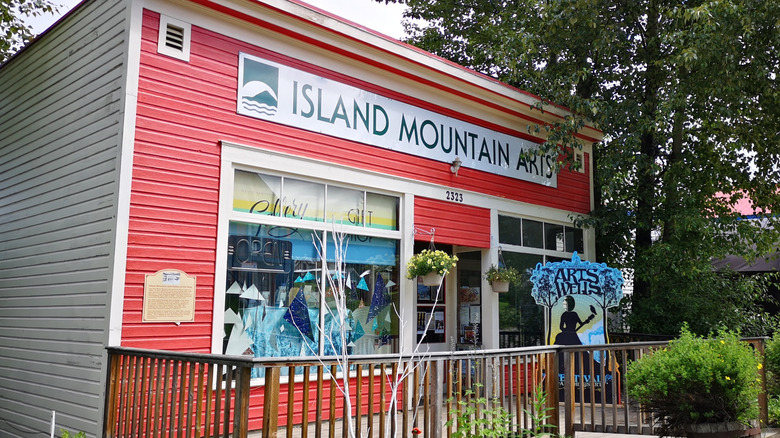
The best place to start when getting to know Wells' art scene is at Island Mountain Arts, a quaint, red-painted storefront along Pooley Street. Founded in 1977, this non-profit organization is one of the driving forces that put Wells on the map by offering art education, programming, gallery space, and residencies. Pop into the gallery to see whatever exhibit is on display and check for special events like performances or craft workshops. Island Mountain Arts also puts on the annual summertime ArtsWells Festival of All Things Art, filling the town with plays, live music, workshops, film screenings, and much more.
If it's performing arts that you're after, head over to the Sunset Theatre. Originally used as the town movie theater, this 1930s-era building now hosts plays, concerts, vocal performances, cabarets, readings, and sketch comedy. While summer is the busy season, events take place throughout the year, so be sure to check the events calendar to see what's coming up before visiting. And that's just the tip of the iceberg. There's Sarras, a tiny chapel transformed into an intimate music venue and recording space. The eclectic Frog on the Bog gift shop and gallery, with its brightly painted storefront sporting flower murals, showcases artwork alongside a wide range of souvenir items from apparel to mugs. St. George, a former Anglican church, is also worth a gander, as numerous artists, including plein air painter Peter Corbett, have used it as a gallery or studio.
Exploring the great outdoors around Wells, Canada
Even back in its gold rush heyday, Wells was all about outdoor fun. Isolated deep in the Canadian backcountry, locals had to find ways to keep busy, so the town boasted a ski hill, a racetrack for horses, a baseball team, golf, and not one but two hockey teams. That spirit of enjoying the great outdoors carries on to this day, as locals and visitors alike enjoy a wealth of outdoor recreation opportunities.
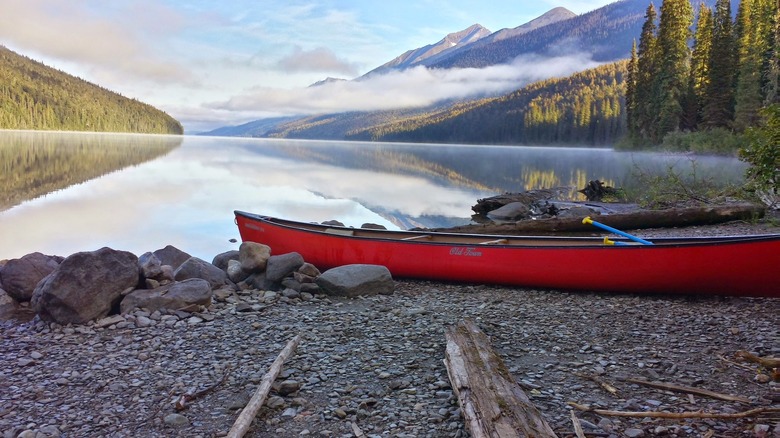
During the summer, activity number one is getting out on the water to admire the mountain and forest scenery from the region's idyllic lakes. Roughly half an hour from Wells, Bowron Lake Park is home to a famous 72-mile canoe circuit linking a series of lakes and rivers. The entire circuit can take between seven and 10 days to complete, but the lakes (especially Bowron Lake, as it's one of the most accessible with roads, campgrounds, lodges, and parking) also make for great day trips. For closer aquatic fun, there's Jack of Clubs Lake just outside town. The surrounding landscapes also offer up some great hikes like the Jubilee Trail, a tough but rewarding 5.6-mile route leading to elevated viewpoints above the forests and mountains. Come winter, swap the hiking boots for snowshoes or skis on the Cornish Cross-Country Ski Trails, which you can access directly from town. Snowmobiling is on deck along the Groundhog Lake Snowmobile Trail near Barkerville, and Troll Ski Resort is 20 minutes away for downhill fun.
After you've had your fill of art and outdoor adventure around Wells, branch out to explore the rest of the region; it's so remote, you should make the most of it. Spend some time in Barkerville exploring its living history museum, or, if you're after more lake fun, head north to visit Williston Reservoir, the biggest manmade lake in British Columbia.