
This Okinawan Capital Is A Market Getaway With Vibrant Culture, Local Food, And Lively Shopping Streets
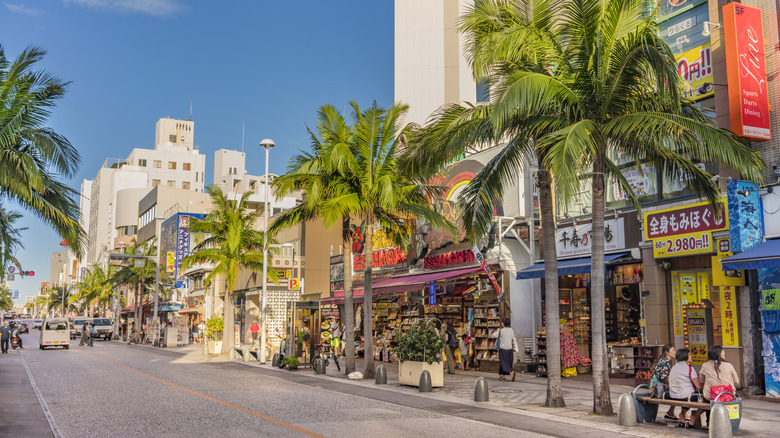
While Japan conjures images of neon-lit Tokyo skylines or the quiet Zen gardens of Kyoto, Okinawa, an archipelago of 160 islands and Japan's southernmost prefecture, trades both for white-sand beaches and coral reefs. Yet Okinawa's capital city, Naha, is laden with gems the beaches can't match: a vermilion palace built for Ryukyu royalty, a postwar market where seafood goes from stall to skillet, and a bustling main street that goes car-free on Sundays for street performers.
Naha's one-of-a-kind character is no accident. Before it became the capital of Okinawa Prefecture in 1879, the island was home to the Ryukyu Kingdom, a country ruled by its own king from 1429. Located between mainland Japan, China, Korea, and Southeast Asia, it was perfectly placed to be a middleman for trade. During the 14th to 16th centuries, a period historians later dubbed the "Great Trading Age," ships brought not just goods from other countries but new tastes, crafts, and customs. A dash of Americana joined the mix after World War II, when Okinawa was under U.S. military rule until 1972.
The result is a vibrant culture that shows up in everyday Naha life, threading through its cuisine, crafts, festivals, and architecture. Though rebuilt almost completely after the Second World War, Naha still carries its old kingdom spirit, thanks in part to Shuri, the historic royal capital that officially became part of the city in 1954. Naha deserves more than a layover, and getting to the heart of the city couldn't be easier: Flights from mainland Japan and abroad touch down at Naha International Airport (OKA), and a car ride or monorail trip gets you downtown in less than 20 minutes.
Naha's culture, from royal castles to pottery lanes
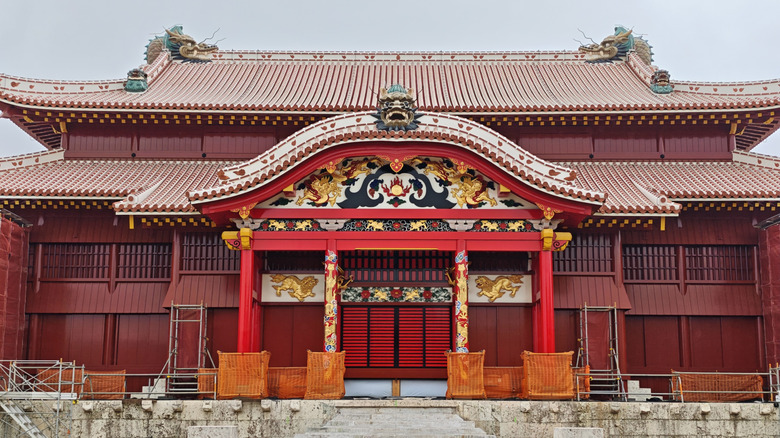
Shuri Castle, Naha's crown jewel and the former seat of the Ryukyu Kingdom, has risen from the ashes more than once. Having already been restored to its former likeness in 1992 following its destruction during the Battle of Okinawa in 1945, the castle lost its main hall to a fire in 2019. Starting November 23, 2026, visitors can explore the main hall again after seven years of closure and restoration. But the castle is hardly the only Ryukyu Kingdom-related UNESCO World Heritage Site in the area. Drop by Tama-udun, a limestone royal mausoleum decorated with Chinese-inspired motifs, or meander along the circular paths and stone bridges of Shikinaen Garden, just as Ryukyu royalty did.
Back in town, the kingdom's craft legacy continues in Tsuboya, Naha's pottery district since the 17th century. Wander its stone-paved lanes for shisa, the guardian lion figurines perched on Okinawan rooftops or entrances, or pick up glazed tableware to take home. For a glimpse of Naha's Chinese ties, the Chinese-style Fukushuen Garden is a tranquil escape with pavilions, a pond, bridges, and twin pagodas.
When planning your visit, finding the best time to visit Japan depends on what you're after, but weather-wise, spring and late autumn are Naha's sweet spots for their pleasant weather and low typhoon risk. They're also when festivals and cultural events kick off: May's Naha Hari dragon boat race; October's Tug-of-War Festival, a traditional harvest ritual where locals and visitors pull at a giant straw rope; and November's Shurijo Castle Festival, where participants in Ryukyu-era costumes parade down Kokusai-dori.
Local flavors and lively shopping streets
There's a reason food icons like Martha Stewart count Japan as a favorite travel destination, but Naha shows a side of Japanese cuisine you won't find on the mainland. Here, Ryukyu classics, Chinese and Southeast Asian flavors, and American comfort food create something uniquely Okinawan. Take champuru, whose name means "blend" in the local dialect. The classic stir-fry version tosses tofu, egg, and bitter melon with slices of pork or Spam, the canned meat that arrived with American troops and never left.
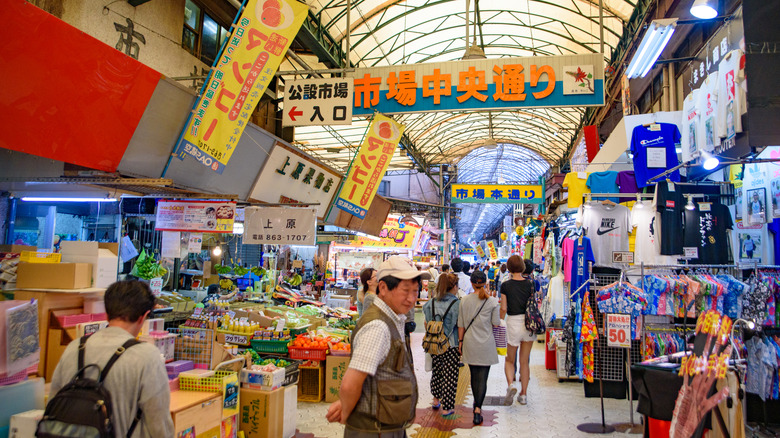
Beyond champuru, slurp a bowl of Okinawa soba, which uses thick wheat noodles, or dig into taco rice, which is exactly what it sounds like: taco fixings on a bed of steamed rice. Dessert calls for sata andagi, Okinawa's take on a donut hole, or ice cream at Blue Seal, a brand that churns out island flavors like Okinawan salt cookie and sweet potato. During your trip, make sure you head to the multi-level Makishi Public Market to browse the stalls downstairs for local ingredients before moving on to the fun part: mochiage, a custom where second-floor restaurants whip up your fresh finds from downstairs into a meal on the spot for a small fee.
Afterward, walk off the calories on Kokusai-dori, the nearly mile-long spine of downtown Naha, lined with boutiques, souvenir shops, and eateries. Duck into Heiwa-dori Arcade, where shops and restaurants skew local. Weekends are the best time to catch Kokusai-dori at its liveliest: Street performers pepper the street on Saturday nights, as well as on Sundays from noon until 6 p.m., when it goes pedestrian-only. And when the beach beckons, take a 50-minute ferry from Naha's Tomari Wharf terminal to Zamami Island, a tropical gem known for its beaches and astonishingly blue seas.