
Nestled Between Edinburgh And Leeds Is A Coastal Town With Beaches, Fresh Seafood, And A Scenic Castle
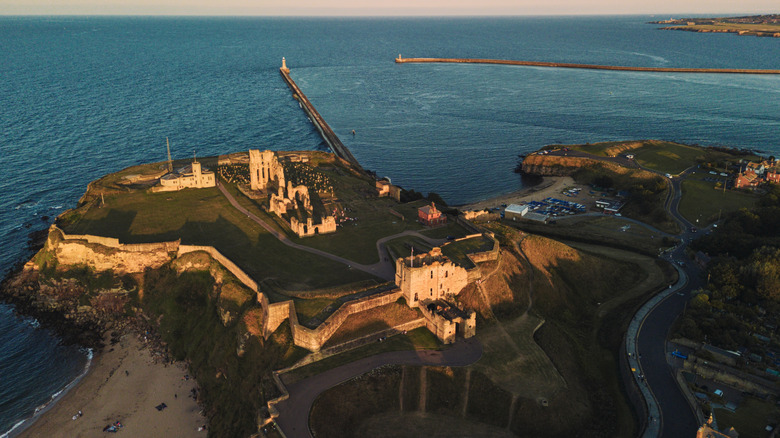
Think the U.K.'s best beaches are all in the south? Dorset's Bournemouth Beach or Ventnor Beach on the Isle of Wight may get most of the attention, but the North East has its own beautiful coastline. The region is dotted with picturesque spots such as Tynemouth. The beloved seaside destination lies on the eastern edge of Tyne and Wear, within easy reach of two of the U.K.'s major urban centers: Edinburgh, the Scottish capital, is about 125 miles north, while Leeds, the U.K.'s fourth most populous city, is just over 100 miles to the south. The town has developed over more than 2 millennia around its namesake bay, and today it has just under 60,000 residents according to City Population.
Tynemouth Longsands is one of the North East's most prominent seaside destinations, and one of the U.K.'s best beaches for 2026, according to The Times. The 0.8-mile stretch of golden sand, about a 15-minute walk north of the town center, has maintained Blue Flag status for over 3 decades, an international award that recognizes clean, safe, accessible, and well-maintained beaches. Longsands has a national reputation as a prime surfing destination, with several rentals and schools including Tynemouth Surf Co. and Longsands Surf School. Seasonal lifeguards in designated areas also makes it a popular option for swimmers and families with children. The beach is pet-friendly, although dogs are not allowed on the southern end from early May to the end of September.
Less than a 20-minute walk south of Longsands, just below the town's castle ruins, is another picturesque Blue Flag beach: King Edward's Bay. Smaller and more reserved than its neighbour, it's surrounded by cliffs and offers gentler surf thanks to its sheltered setting. This, along with its summer lifeguards, makes it appealing to beachgoers of all ages. The beach is off-limits to dogs during peak months.
Tynemouth Priory and Castle and other must-see cultural landmarks

Tynemouth Priory and Castle is perched on a rocky point overlooking the North Sea and the entrance to the Tyne river, a strategic location that played a key role in defending Tyne and Wear's coastline for centuries. The site's earliest settlement was established more than 200 years before the Roman invasion of Britain in A.D. 43, and a monastery was there by the beginning of the eighth century. The religious community developed into a Benedictine priory, protected by walls, towers, and a gatehouse. When King Henry VIII dissolved the priory in the mid-16th century, the site took on a new role as a military supply base and fort. Its defenses were further strengthened in response to the French Revolution and during the Napoleonic Wars. The castle continued to protect the Tyne and surrounding shoreline through World War I and II, until the Army withdrew in 1956.
Today, visitors can explore the complex's remains for an admission fee. The site is open daily from late March through the end of October, and mainly on weekends and select dates during the rest of the year (access to certain parts of the priory is suspended at the time of this writing due to ongoing upkeep). The site also hosts special events throughout the year, such as line dancing and bagpipe playing.
Tynemouth Volunteer Life Brigade (TVLB)'s Watch House Museum nearby tells the story of the first coastal rescue organization of its kind, which was founded in 1864 in response to the loss of 32 lives in two shipwrecks. The collection includes original TVLB rescue equipment, figureheads from local shipwrecks, and model ships. At the time of this writing, the museum is closed to regular public visits for its annual off-season break and will reopen on March 20, 2027, with free admission on weekends and major holidays through September. Private and group visits can be arranged in advance at any time of year, including during the museum's seasonal closure.
Where to eat seafood in Tynemouth and how to get to there

Tynemouth is one of the best places in the North East to sample fresh seafood. Founded over a decade ago by the husband and wife team, Adam and Lucy Riley, Riley's Fish Shack now has more than 100,000 followers on social media, a 4.6-star rating on Google, and has caught the attention of the renowned food critic and television personality Jay Rayner. The restaurant boasts a prime location on King Edward's Bay Beach. However, the menu goes beyond quintessential fish and chips, with surprisingly inventive seafood dishes such as orzo with squid; creamy halibut, gnocchi, and smoked mussels, and fluffy crab soufflés. Due to limited seating, bookings are highly recommended.
If you'd rather eat in town, Longsands Fish Kitchen is about a 5-minute walk from Tynemouth Metro Station. It has a wealth of positive reviews. While the restaurant is acclaimed for its fish and chips, its menu also features mussels, coconut seafood curry, and tacos, as well as gluten-free options. Tynemouth Station Market is held every Saturday and Sunday inside the town's Victorian railroad station — a notable piece of late 19th-century architecture. The market's 150 stalls sell seasonal fruit and veg and international street food along with vintage goods, artwork, and crafts.
Tynemouth is easily accessible. The eclectic city of Newcastle is a 20- to 30-minute drive west or a 25-minute Metro ride away, offering easy access to Newcastle International Airport. The port city of Sunderland, with its gorgeous beaches, is conveniently located about a 30- to 40-minute drive south. Tynemouth can also be combined with a trip to Alnmouth, a quaint English village with stunning ocean views, a beach, and tasty eats, as that's less than an hour's drive away.