
The Coastal Escape Boomers Prefer To Retire To Over Florida (No, Not California)
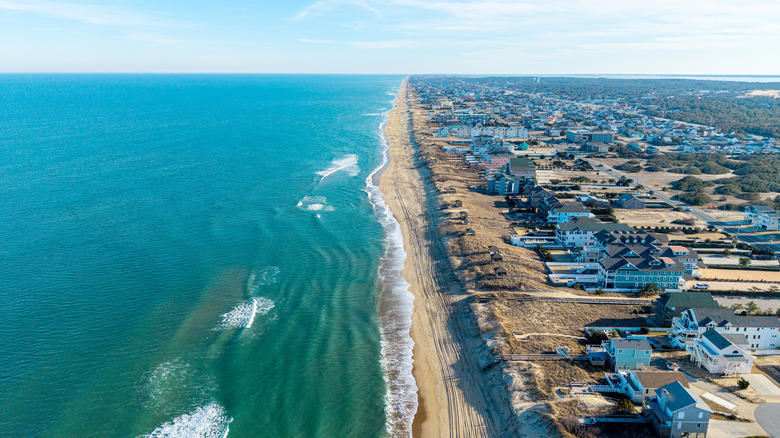
For generations, Florida has been a favorite destination for Americans looking to spend their retirement somewhere warm. With its beaches, golf courses, and plethora of retirement communities, the Sunshine State has plenty to offer new residents leaving their working years behind them. But Florida isn't the only place in the Southeast where retirees can enjoy mild winters, waterfront living, and warm communities. In fact, according to a recent report, Baby Boomers in particular are increasingly choosing two neighboring states over Florida.
A 2026 midyear migration report from U-Haul found that South Carolina and North Carolina ranked first and second, respectively, for net gains of one-way moving equipment among Baby Boomers. Florida actually came in third, followed by Arizona and Alabama. The study examined customer moves between July 2025 and June 2026, suggesting that the Carolinas are becoming especially appealing destinations for older Americans looking to settle down post-career. While the data really reflects U-Haul customers rather than all retirees in the nation, it still offers an interesting look at changing relocation patterns among the different generations.
It's easy to see why Boomers are attracted to the Carolinas. Both states offer miles of Atlantic shoreline, charming historic towns, and plenty of opportunities for golf, boating, fishing, and other outdoor activities. Their coastal communities also offer variety, from lively beach destinations with year-round entertainment to smaller waterfront towns where neighbors all know each other and meet up for local festivals and farmers markets. There's also the advantage of experiencing four seasons without dealing with the harsh winters common farther north (although things get pretty hot and humid in the summer). For retirees who want to stay active, enjoy coastal scenery, and maybe find a quieter alternative to the retirement scene in Florida, the Carolinas offer plenty of possibilities.
North Carolina's coastal towns offer beaches and small-town charm
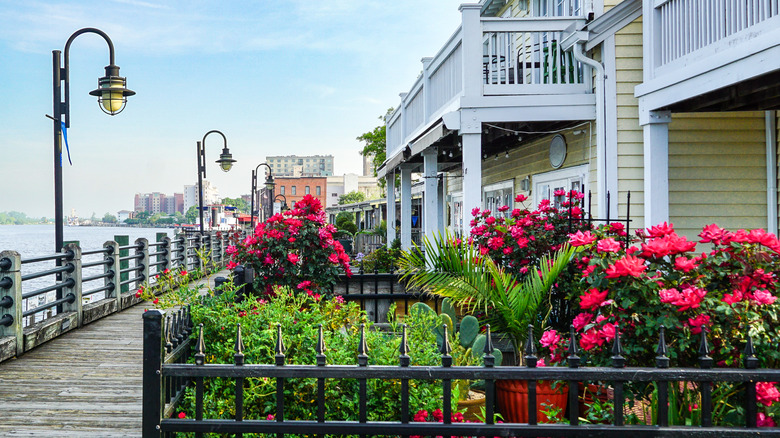
North Carolina's coastline has a different feel depending on where you are. Some communities have lively downtowns and busy waterfront restaurants, while others offer quiet residential streets close to the beach. For retirees who enjoy a little of both, the southeastern coast around Wilmington and Southport is especially appealing. In fact, they're literally picture-perfect, considering that they are a popular spot for the film industry and are where movies such as "A Walk To Remember" and "The Secret Life of Bees" were shot. Wilmington also took 10th place on U-Haul's list of metro areas attracting the most relocating Baby Boomers.
In Southport, historic homes and centuries-old live oaks line streets near the Cape Fear River. Its walkable downtown is filled with shops, seafood restaurants, and waterfront parks where residents can watch boats cruising toward the Atlantic. The North Carolina Maritime Museum at Southport is worth visiting for history buffs interested in the area's seafaring history. For a beach day, nearby Oak Island offers miles of sandy shoreline and plenty of spots for fishing, swimming, and walking along the ocean. Farther north, Wilmington offers a little more in the way of urban conveniences while still oozing plenty of coastal personality. The historic downtown's Riverwalk follows the Cape Fear River past restaurants, shops, and cultural attractions (such as coastal art galleries). Residents can also visit the Cameron Art Museum, attend performances at Thalian Hall, or head to nearby Wrightsville Beach, one of North Carolina's best seaside towns, for a morning by the water.
One thing for retirees to note is that North Carolina doesn't tax Social Security benefits, although other retirement income (such as IRA withdrawals) is generally subject to state income tax. Also, having a car is advised for getting around outside the walkable downtown districts. For retirees who enjoy oceanfront living but still want restaurants, art, and community activities nearby, North Carolina's coastline is worth a look.
South Carolina combines beautiful beaches with Lowcountry living
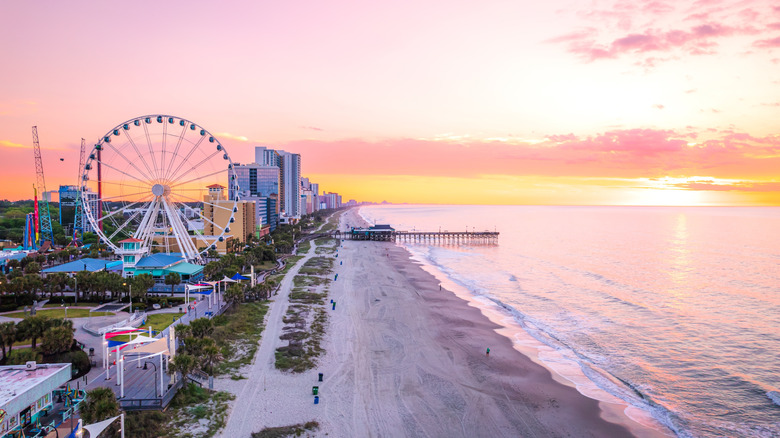
South Carolina came in first place for Baby Boomer destinations in U-Haul's report, and its coastal communities were also some of the top-ranked metro areas. Myrtle Beach ranked second in the country for metro areas gaining Boomers, while Charleston came in fourth place. Both communities offer warm weather, beaches, and plenty to do, although their lifestyles can be quite different.
For retirees who like to stay busy, Myrtle Beach has more of a bustling vacation vibe. The Grand Strand is known for having beautiful beaches, a variety of golf courses, and plenty of entertainment. Retirees can plan mornings walking along the shore, join local golf groups, and meet up with friends for dinner and a show at a number of theaters throughout the area. However, it's worth noting that traffic can be a headache and Myrtle Beach can get crowded during high season. A few hours south, Charleston offers historic neighborhoods and celebrated restaurants, such as Vern and Husk. The town also has an active arts scene — Charleston Magazine has compiled an interactive art walk worth checking out. Its walkable downtown makes it easy to explore on a daily basis. Retirees who prefer a quieter setting might instead consider "America's happiest seaside town," Beaufort, about an hour-and-a-half away, where moss-covered live oaks, historic homes, and scenic tidal marshes around the Beaufort River and Intracoastal Waterway ooze Lowcountry vibes.
South Carolina also has some financial perks for older residents. Social Security benefits are exempt from state income tax, and qualifying retirees 65 and older can claim deductions on retirement income. Homeowners may also receive a homestead property tax exemption. Still, just like any coastal region, retirees may want to keep a few things in mind before relocating to the Carolinas. Beach communities can be expensive, and hurricane season, flood insurance, and hot, humid summers are some of the downsides to take into consideration.