
Park Rangers Have A Codeword For Lazy Tourists Who Call For A Rescue And Don't Need It
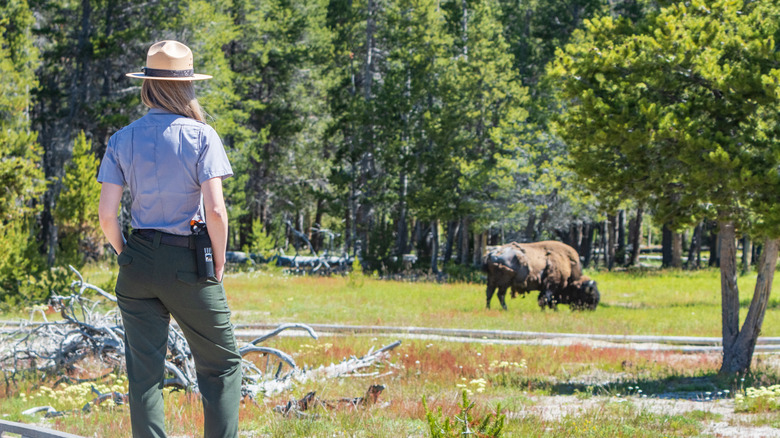
By some accounts, park rangers have one of the best jobs in the world, but rescues are one of the most daunting aspects of that job. Depending on factors like weather or difficulty in reaching the rescue spot, rangers may need to hike to conduct a rescue, or dangle on a rope from a helicopter to airlift people for medical attention. Imagine if, after all that effort, they find the hikers are actually just not up to the effort of coming back.
Park rangers have a term for people like this: Code W. The "W" stands for Wimp, which is exactly what they think of people who call for rescues just because they're a teensy bit tired. These rescues are entirely unnecessary, and they're all the more annoying for it. As a former park ranger writes in Backpacker Magazine, "A Code W does not consider the many real emergencies and depressing tragedies the Ranger has dealt with that day." In fact, many park rangers will not assist hikers simply because they are tired, with one bluntly stating, "We can't and won't send a chopper for that."
Rescues at national parks cost nothing for the person being rescued, but they do cost the government a pretty penny. More personally, Code W's are the epitome of the most annoying kind of visitor — the kind that isn't the slightest bit prepared for their trip, ignores rules in place for their own safety, and is now drawing resources away from actual emergencies. In cases where hikers ignore closures or rules, some national parks may impose penalties. For example, Parks Canada is reportedly charging two hikers who were too tired to hike out of a closed area near Pyramid Lake (per Jasper Local).
How to ensure you never become a Code W

National parks are designed to remain as natural as possible to preserve their beauty. Unfortunately, nature doesn't make allowances for ignorance or naivete, which is why you must research the park, trails, campsites, and weather conditions before your trip. State and national park websites are a great place to start, but it's also useful to look at first-hand accounts of trails and camping experiences at these parks whenever possible. Park rangers are trained to notice things like unprepared or first-time visitors, and they will often help you with information if you ask them.
Apart from that, it's also important to know yourself. Successfully completing one hike doesn't necessarily equate to the ability to hike another trail. Even if you're experienced at hiking tough trails in one state, don't automatically assume those skills will transfer to a trail in a different state with different conditions. If you're a beginner, forget about finding the most Instagrammable viewpoints and focus on trails that are actually suitable for a beginner. You can look through this explanation of warning signs that a trail isn't beginner-friendly to avoid ones that might lead to an impromptu rescue.
However, you shouldn't be afraid of calling for a rescue if you really need it. If you've run out of water too quickly, or get caught in flash floods or snowstorms, you absolutely can call for a rescue. Injuries and medical issues also qualify — don't try to tough it out if you're suffering from heat exhaustion or extreme cold, dehydration, or severe wounds. Park rangers are just as invested in your safety as you are, and they've even provided several safety tips for prospective hikers over the years to ensure you can make the most of your park visit.