
Canada's Historic Village In The Heart Of Gold Country Is A Desert-Like Old-School Getaway With Quaint Eats
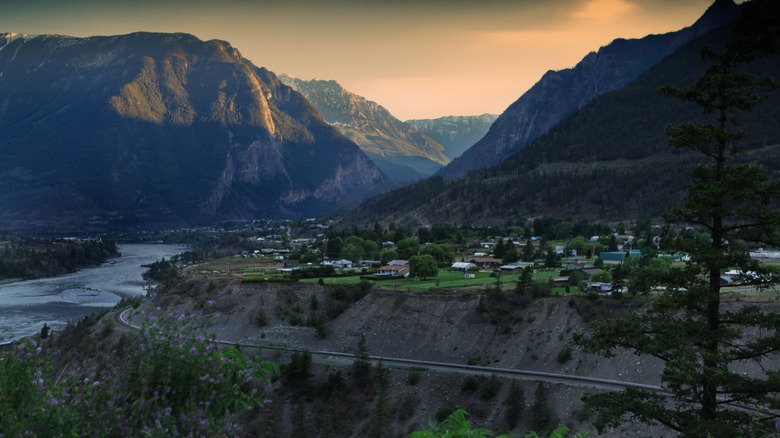
While the British Columbia coast is known for its lush temperate rainforests, when you head inland to places like Gold Country in the Thompson Okanagan region, you'll find it starts to resemble the American Southwest. Gold miners made their way through this semi-arid landscape in the 1860s, and one of their major stops was in Cache Creek. This town and the surrounding region are sometimes referred to as the "Arizona of Canada," thanks to its semi-arid climate and abundance of desert flora like sagebrush and prickly pear cactus. Along with being a historic gateway to gold, Cache Creek is a popular highway stop to spend a few hours or a weekend with historic heritage sites, ancient fossil beds, and yummy independent restaurants.
Near the Bonaparte River, the town reportedly got its name from being used as a "cache" for trappers in the 1800s. When gold was found up in the Cariboo Mountains in the 1860s, a hotel/roadhouse was built in what is now Cache Creek to give miners a place to stay on their way to make their fortune. Cariboo Sam, the town's giant statue of a miner, gives a nod to this heritage. You'll find him in Cache Creek Gateway Park at the intersection of the Trans-Canada Highway (Highway 1) and the Cariboo Highway (Highway 97).
When the regional railroad stop was built in Ashcroft in 1885 and not Cache Creek, Cache Creek stayed small with some ranchers in the area. Fast forward to the 1950s and 1960s, and the major highways that go through town were renovated, and Cache Creek became a destination with restaurants, motels, neon signs, and more.
Full disclosure: Kristin Conard, the writer of this article, was able to visit Cache Creek in Canada on a press trip that was hosted by Destinations BC in 2024.
Enjoy living history, archaeological finds, and classic cars in Cache Creek
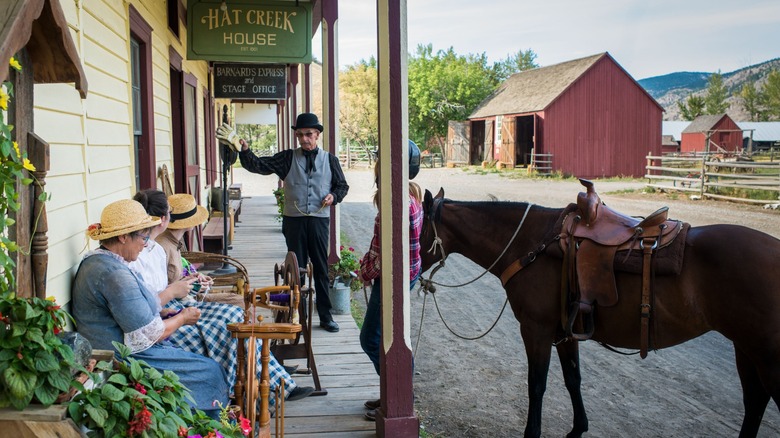
Cache Creek's original roadhouse is no longer there, but you can still explore one about 10 minutes away. It's one of the highlights at the Historic Hat Creek Ranch, and it's been restored to what it was like when it was in use. You can also tour the old barns, cabins, and miner's camp. The entire ranch is a living history experience with staff members in costume and interactive activities like stagecoach rides and gold panning, as well as an indigenous interpretive site that tells stories of the Shuswap Nation, who lived here long before the gold miners. Hat Creek is open seasonally from the beginning of May through the end of September.
Another historic and seasonal site nearby is McAbee Fossil Beds, managed by the Bonaparte First Nation. Some 53 million years ago, this area was once a lake, and some incredible insect and plant fossil specimens have been found here. There are about 5 miles of trails through the McAbee Fossil Beds, and you can hike on your own or sign up for a guided hike to learn more about the area. On the trails, you'll feel all the effects of this semi-arid, desert-like region — there are no trees to shield you from the wind or sun. Make sure to bring water and stay on the trail. While that's a good policy whenever you're hiking, parts of this site are delicate and shouldn't be disturbed.
If modern history is more your thing, plan your visit for September for Cache Creek Graffiti Days. First started in the 1980s, this weekend event celebrates cars, which helped put Cache Creek on the map. It features classic cars on display, drag races, a dance, outdoor market, beer garden, and food.
Small but delicious restaurants in Cache Creek and how to get here
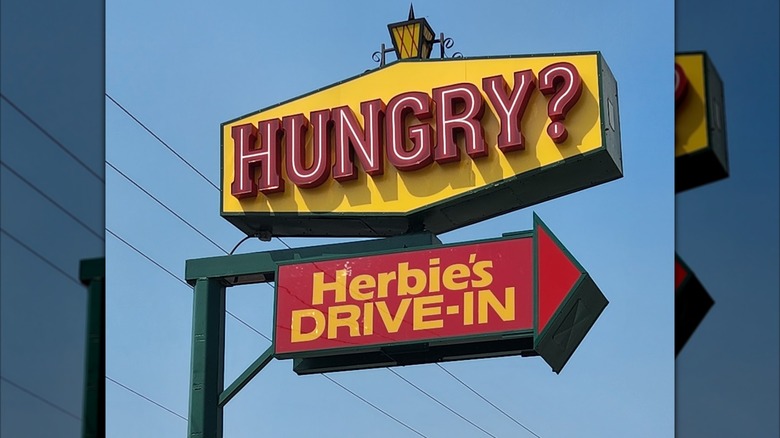
There are some major fast-food chain restaurants in Cache Creek, but if you want something historic, dine at Hungry Herbie's Drive-In. It first opened in 1957, and the menu at this family-owned spot features fantastic burgers and thick milkshakes. While "drive-in" is in the name, you can eat at the restaurant on the picnic tables outside or in the small inside dining room.
Another good vintage choice is Cheryl's Place. This classic-style diner inside a gas station serves comfort food, and it's a particularly popular spot for breakfast with hearty helpings of pancakes, eggs, bacon, and more. For good Mexican food, stop by the Desert Hills Taco Stand. One of the highlights is the sauce and salsa bar, which includes some unique flavors, like honeydew and blueberry.
The Cache Creek area is definitely one where you'll want a car. It's about a 1-hour drive west from the sunny river city of Kamloops, where you'll find the closest airport. It's a smaller, regional airport with flights to the Canadian cities of Vancouver, Victoria, and Calgary. If you're on a road trip through British Columbia from the coast to the Rocky Mountains, Cache Creek is about a 4- to 4.5-hour drive along the Trans-Canada Highway from Vancouver. While you can drive that without a break, Chilliwack is the "soul of the Fraser Valley," and it makes a good stop on the way from Vancouver. You could also make your trip to Cache Creek part of a larger tour of The Gold Rush Trail. This approximately 1,200-mile-long driving loop takes you from New Westminster outside of Vancouver north up to Wells, a mountain community with a vibrant arts scene and recreation.