
Forget The Bahamas, Retire To This Coastal Oasis Under 2 Hours From Cartagena With A Rich Culinary Scene
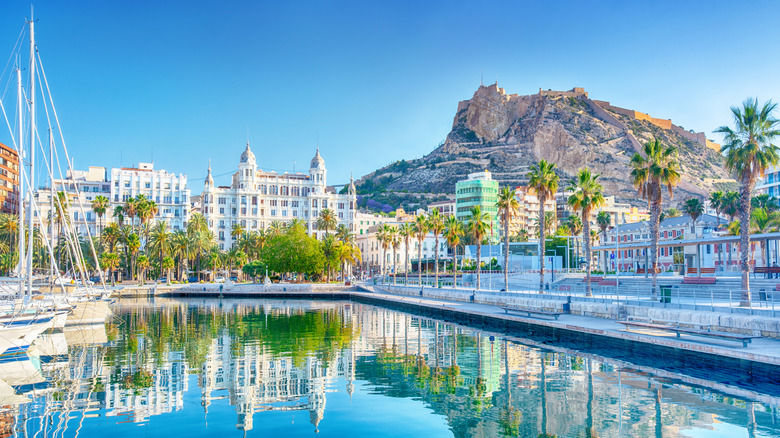
For centuries, people have sworn by the health benefits of living by the sea, and recent research backs them up. The thought of clean air laden with salt, time spent out in the sun, and the soothing rhythms of the waves may have you daydreaming about retirement in the white sands of the Bahamas, but at what price? With the average cost of retirement on those dreamy isles running almost $3,000 a month in 2026, that lifestyle isn't for everyone. However, if you look across the Atlantic Ocean, you will find an excellent alternative in the Spanish city of Alicante, highly favored by retirees wishing to live out their days on the Mediterranean.
The coastal oasis of Alicante sits on the famed Mediterranean coastline known as the Costa Blanca, and can be easily reached in under two hours by car from the historic tourist hub of Cartagena. Although still a popular tourist destination, this city of 350,000 inhabitants manages to keep living expenses low in comparison to its more eminent Spanish counterparts such as Barcelona or Madrid. The cost of living for a single person in Alicante sits at a reasonable $816 per month excluding rent and approximately a total of $1,461 per person, 42% lower than the U.S. average.
Healthcare in Spain meets high European standards, and as Alicante is not a small resort town but a fully equipped city, access to hospitals, specialized clinics, and services is readily available. Retirees seeking a new expat life in Alicante have the luxury of choice between affordable private clinics and eventually public healthcare services once legal residency is obtained, with many English-speaking options available. Most retirees resort to using a combination of both public and private healthcare options depending on their need of care.
Good food leads to good health in Alicante
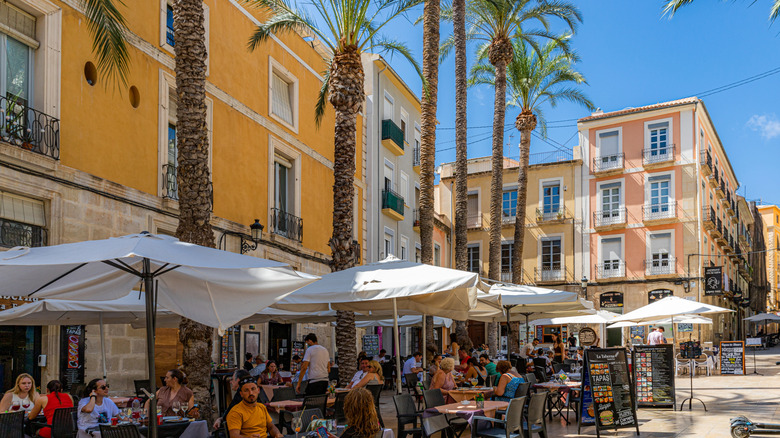
Gray-haired foodies can rejoice, as retiring in Alicante means settling in a haven of great cuisine. The city was awarded the Spanish Capital of Gastronomy title in 2025, highlighting the fact that the city has long been on the radar for its rich culinary traditions. Billed as "The City of 1001 Rice Dishes," Alicante's obsession with rice is followed by nougat, a flatbread known as "coco," ñora peppers, and local wines such as Monastrell and Moscato. The city's tempo revolves around food, beginning in the early afternoons with "tardeo," a leisurely ritual in which locals socialize over food and drink and enjoy the sun at their favorite spots.
Alicante is constantly preparing for a feast, with a bustling calendar of culinary events, festivals, and fairs. The annual Alicante Gastronómica fair is highly anticipated, hosting food competitions ranging from the National Tortilla de Patata Championship to a Mediterranean Rice Competition. Outside the fairgrounds, Alicante's streets are constantly abuzz with its 1,700 dining venues, from traditional restaurants to the city's signature "barras," customary local bars beloved for tapas, seafood, and definitely more rice dishes.
As the saying goes, let food be thy medicine, and with Spain scoring 92.75 out of 100 according to Bloomberg's Global Health Index, Alicante is no exception. Alicante's Central Market rivals one of Europe's largest produce markets found in neighboring Valencia, a charming coastal city and significant historic center just a couple of hours north. Since 1922, this impressive Art Nouveau building has been at the heart of Alicante's food scene, housing around 292 market stalls that are mostly owned by local families who sell meat, fish, and fresh produce with the best prices in the city.
The basics for retiring in Alicante
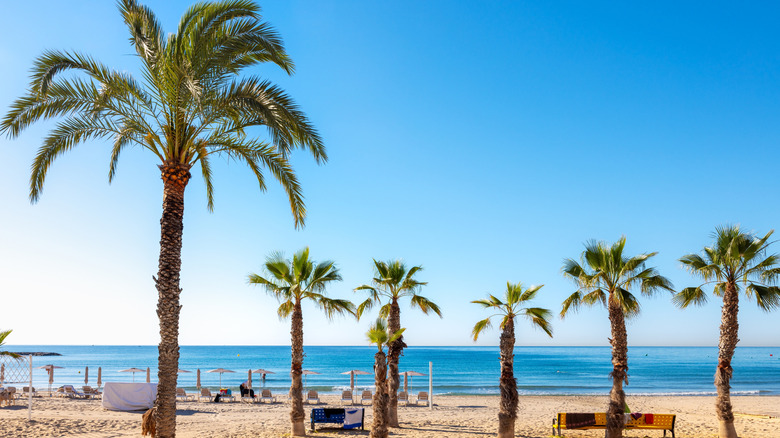
Alicante deserves an honorable mention among Europe's best coastal cities for retirees. In order for you to consider living out your days in this gem on the Costa Blanca, a few tangible basics will have to be sorted out. For residence permits, the standard for retirees is usually the Non-Lucrative Visa, also known as the NLV. To qualify, a single applicant must show passive income of at least $32,000 a year, hold private health insurance, and spend more than 183 days of each calendar year in Spain while holding the visa. Thankfully, the initial visa is now valid for a full year.
Depending on your age group and health conditions, there are several popular choices for private health insurance. Adeslas is Spain's largest health insurer, with over 44,000 providers and plans starting at $55 a month, though enrollment is capped at age 65. DKV Seguros is another option, accepting applicants up to the age of 74, with plans starting at about $66 a month. Lastly, ASSSA is a popular expat pick, especially among applicants aged over 75, with strong English customer support, no waiting periods, and tailored plans with guaranteed renewals.
Alicante is one of Spain's five most affordable cities to retire in, which puts homeownership within reach for you. There are no restrictions for non-EU citizens on purchasing property in Spain, and non-residents can open a Spanish bank account with their passport. With a typical 1,075-square-foot home in the province hovering around $223,000, according to Expatica, you may as well forget the Bahamas altogether, trading them in for Mediterranean sunshine at "tardeos" with the locals.