
Between Minneapolis And Madison Is A Midwestern Forest Escape With Scenic Gulches, Trails, And Goat Prairies
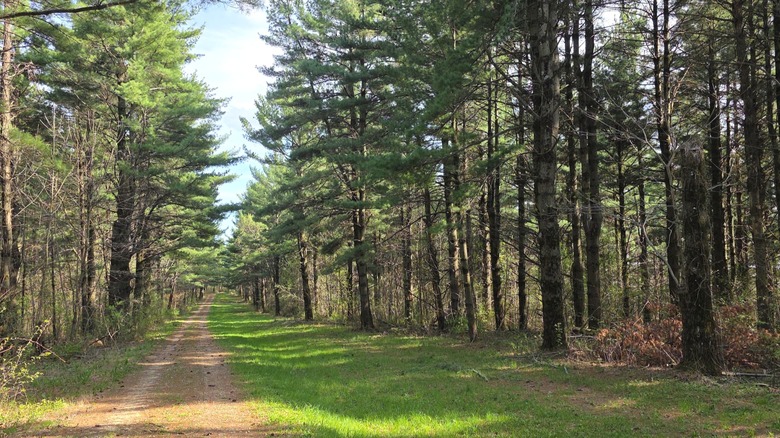
Pines, prairies, and picturesque views — these are the offerings of a quiet, forested preserve in the Midwest that holds a surprising history. Located about halfway between Minneapolis, Minnesota, and Madison, Wisconsin, these 3,000 acres of land are open for hunters, skiers, and hikers to explore all year round. Coulee Experimental State Forest, about 15 miles from La Crosse, Wisconsin, features miles of trails and a landscape that includes gulches and goat prairies.
While Coulee Experimental State Forest has a name that might bring to mind high-tech, 3D-printed trees or alien plants, the story behind the moniker is much simpler. The area was dedicated in 1960 as a place to research land management techniques, including reforestation and prevention of water erosion. Over the past several decades, the U.S. Forest Service has worked with the Wisconsin Department of Natural Resources to conduct experiments concerning plant species, water, and climate, while keeping the land's trails and prairies open for the public to enjoy.
A pristine landscape of goat prairies and ski trails
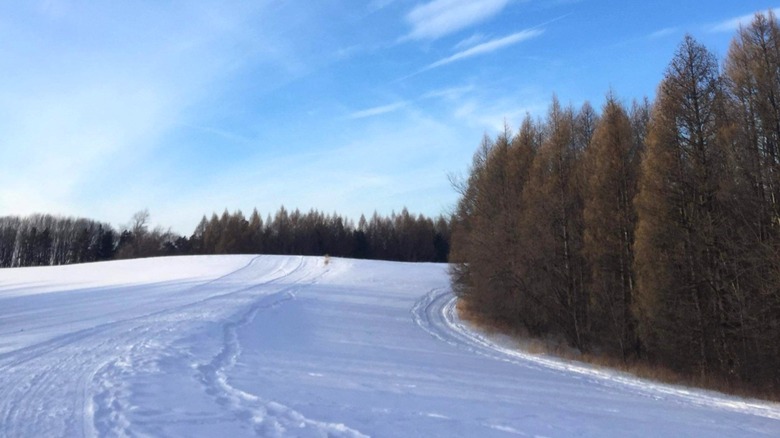
Two natural areas at Coulee Experimental State Forest offer examples of dry prairie habitats, including goat prairies. While the latter phrase might call to mind something akin to the bison prairie at Spring Lake Park Reserve outside Minneapolis, the goat prairies at Coulee Experimental State Forest do not, alas, have any goats. These grasslands, also known as hill prairies, got their name for being so steep and sloped that goats are the only livestock able to graze on them. Berg Prairie and Billy Goat Ridge are the two protected prairie areas within the forest, and while they don't have any goat occupants, they are habitats for native plants such as milkweed, bluestem, and coneflower.
The secluded, pine-covered trails of Coulee Experimental State Forest are open for cross-country skiing in the winter, and 12 miles of ski trails are maintained by volunteers. The ski trails, which are accessed from the eastern parking lot near Berg Prairie, are open for hiking, horseback riding, and hunting during the warmer months; however, they are reserved exclusively for skiers when covered with snow. The park's primitive roads and other trails are open for exploration all year long, although certain managed areas of land are always closed to horses, and all trails prohibit horseback riding when the ground is soft during springtime.
The stunning scenery of the Midwest's Driftless Area
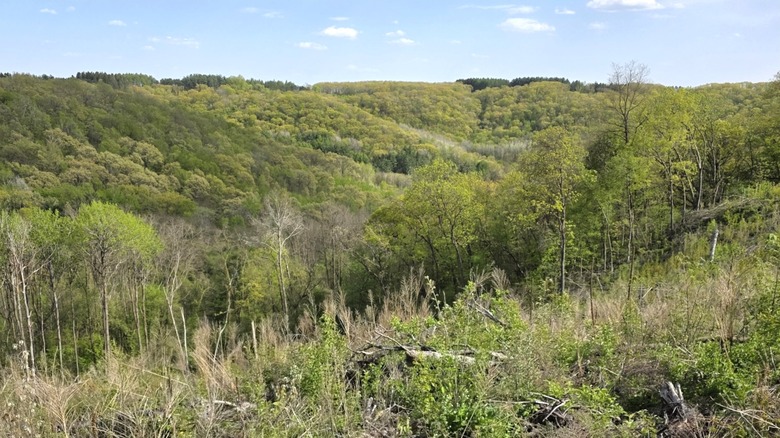
"Coulee" is based on a French word that means gully or ravine, and Coulee Experimental State Forest lives up to its name thanks to the countless dips and gulches in the area. Throughout the park, wildflowers cover ridges and steep slopes descending into green gulches, and green and gold prairie grasses ripple across an undulating landscape, surrounded by oak and evergreen trees. While the coulees in this landscape may not have the dramatic cliffs of Washington's Grand Coulee Canyon, they are notable for representing the distinctive bluffs and valleys of the Driftless Area, which was never covered in glaciers during the most recent ice age. The absence of glaciers and the lack of drift, or soil and rock deposits left by the glaciers, give the region its name and allowed water to carve the steep coulees over time.
Coulee Experimental State Forest is primarily a natural area for preservation and scientific research; there are no bathrooms or water available, and the hiking trails are not always well-maintained, so go prepared for a no-frills visit. The land is open from 6 a.m. to 11 p.m. each day, but no camping or fires are allowed. For lodging after a day exploring the forest, consider heading to the charming, riverside city of La Crosse, which has numerous 3- and 4-star hotels and is only a 30-minute drive away.