
Between Cardiff And Gloucester Is A Coastal Day Trip Village With Quiet Charm, Trails, And Historic Landmarks
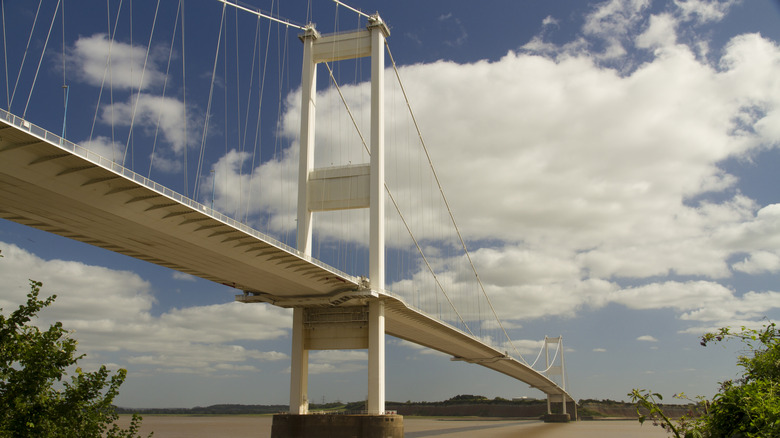
For centuries, the small peninsula of Beachley has occupied a strategically important position, jutting out between the River Wye and the River Severn at the border between Wales and England. Less than 3 miles from the Welsh border town of Chepstow in Monmouthshire, a glance at the map suggests it would make sense for Beachley to fall on the Welsh side of the line. Only it doesn't; it's officially part of Gloucestershire, an English county. The area's position on the border has made it strategically important for centuries. The early medieval boundary earthwork of Offa's Dyke runs along the northern edge of the peninsula, while the old ferry crossing to Aust and the Royalist fortifications built during the English Civil War reflect its long history as a gateway between England and Wales.
Today, Beachley is a quiet village set between two major rivers, giving it a distinctive character. It is within easy reach of Cardiff (32 miles away) and Gloucester (roughly 30 miles away), with the beautiful city of Bristol just 20 miles to the south, making it a pleasant day trip if you're visiting any of those larger cities. An afternoon around Beachley and the surrounding peninsula offers a chance to follow historic routes, discover remnants of its strategic past, and get a closer look at this unusual corner of the Welsh-English border.
Walking trails in and around Beachley
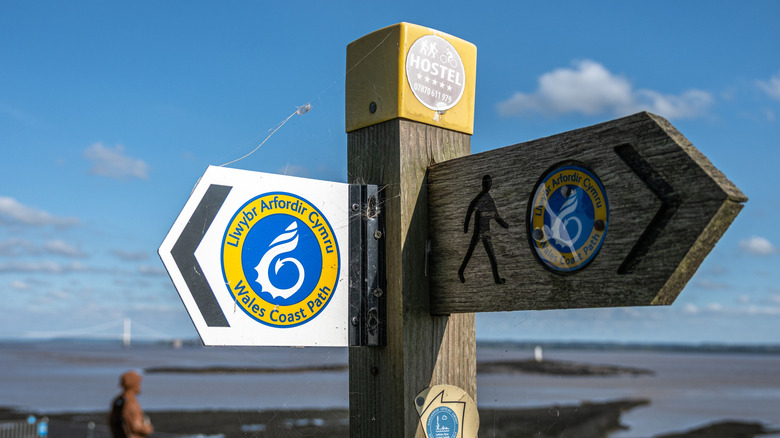
The routes around Beachley take in estuary views, historic crossings and some of the area's most distinctive riverside scenery. Trails aren't rare in this part of England or Wales; walking paths surround the entire Welsh coastline, and the trails in and around Beachley are an excellent way to access that complex network. Whether you're jogging, hiking, or ambling leisurely, you'll want to see where these roads take you.
Start with the Beachley Point trail. This 6.6-mile path starts in Chepstow and rambles down to the tip of the Beachley peninsula, passing estuaries for the Rivers Severn and Wye. Expect striking views of both those waters and the historic crossing points between England and Wales. Rated "easy" on AllTrails with a 4.3 rating from site users, this loop is a fine introduction to the area. If you want to cross between England and Wales yourself, consider the Severn Bridge trail; this 5-mile walk from Chepstow to Aust will take you over both the Wye Bridge and the Severn Bridge, as well as the Beachley Viaduct. This moderately strenuous trail has a 4.8 rating on AllTrails with almost 50 reviews.
If you have a whole day to devote to exploring the countryside around the Welsh-English border, tackle the Beachley to Devil's Pulpit trail. This 13-mile loop starts in Beachley and heads north past Chepstow along Railway Walk. You'll walk through woods and valleys, pass limestone formations, and eventually reach Devil's Pulpit, a limestone rock overlooking the River Wye with an amazing view of Tintern Abbey. The surrounding landscape inspired William Wordsworth's famous 1798 poem, "Lines Written a Few Miles Above Tintern Abbey." It's a tough walk in spots, so only try this one if you're physically capable.
History from the medieval era to the modern world in Beachley
If you do walk those trails or spend any amount of time in the area, you'll probably notice references to Offa's Dyke. This ancient Anglo-Saxon earthwork is named after an eighth-century king of Mercia, and broadly follows the historic frontier between the Anglo-Saxon kingdom and the Welsh territories to its west. Today, the 177-mile Offa's Dyke Path runs from near Chepstow up to Prestatyn on the North Wales coast, not far from St. Asaph, one of the smallest cities in the world. The earthwork itself forms part of Beachley's northern boundary, while the long-distance path offers walkers a way to follow its wider historical landscape.
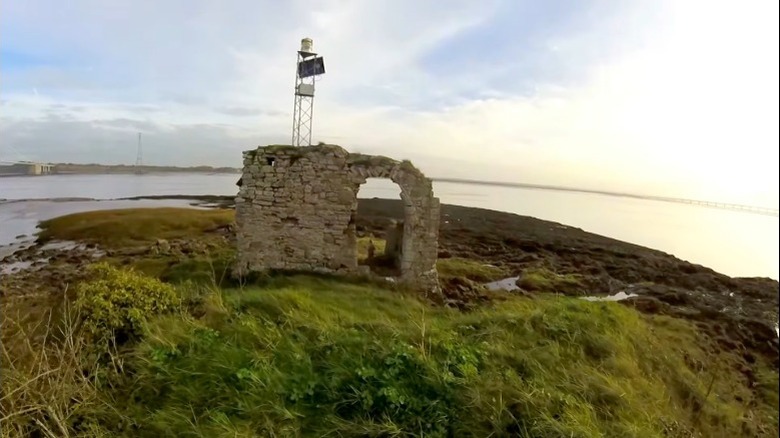
For a more conventional taste of medieval history, there are several castles within a short distance of Beachley. The two closest, Chepstow Castle and Caldicot Castle, are both mere minutes from town and should scratch your medieval itch. If you're keeping it strictly within Beachley, though, there's still some fascinating history to discover, like the ruins of St. Twrog's Chapel on Chapel Rock. This listed site on the National Heritage List for England is also known as St. Tecla's Chapel and is all that remains of a church believed to have been in use until the mid 1500s. The chapel stands on a small tidal island in the Severn Estuary. Although it can technically be reached at low tide, dangerous currents make exploring the rock inadvisable, so it's best admired from the shore.
Closer to town, you'll find another historic church, also no longer in use: St. John the Evangelist, which dates to 1833. It's of note today due to the cemetery next to it, where dozens of prisoners of war from Germany and Italy are interred. Many such POWs were held in the Chepstow area during World War II, where, by the POWs' own accounts, they were "treated like human beings," as reported by the BBC. From medieval borderlands to the prisoner-of-war cemetery, Beachley's history reflects the strategic importance of this small peninsula between England and Wales. For more of that fascinating history, why not go on a bucket-list adventure taking in the best castles in Wales?