
Under 2 Hours From London Is A Town With Michelin-Rated Local Eateries, A Vibrant High Street, And Races
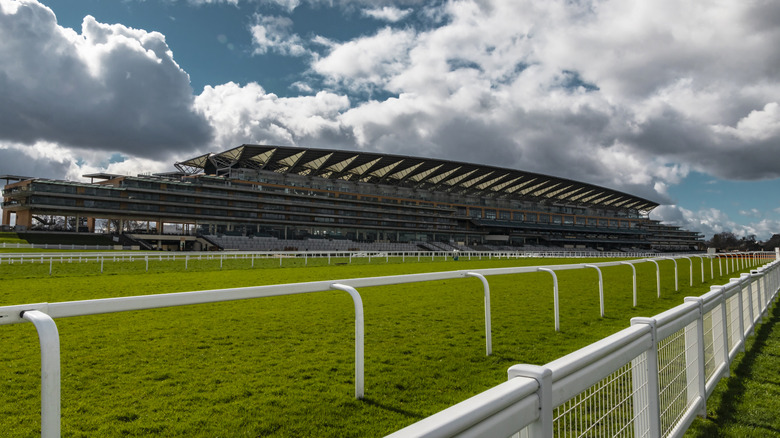
Most Britons associate the town of Ascot with the annual Royal Ascot horse-racing meet. Over a week in June each year, besuited visitors, many sporting top hats and elaborate headdresses, flock to Ascot Racecourse to watch thoroughbreds gallop across the turf while slurping champagne and placing the kind of ill-advised bets that put a smile on every bookmaker's face. It makes sense that Ascot is synonymous with horses — the town was little more than open heathland when Queen Anne identified it as a fine site for horse racing back in 1711. Over time it became one of the most famous racecourses in Britain, perhaps the world, and a commercial area and busy high street blossomed around it.
So there's more to this town less than two hours from Central London than its annual races. It has two restaurants on the Michelin Guide, one of which, Woven by Adam Smith, has earned a prestigious Michelin star. The High Street, carving a path through the green Berkshire countryside en route to the racecourse, is the liveliest part of town (outside race days), with pubs, cafes, restaurants, and bakeries. Some establishments, like fusion restaurant Onyx, bespeak an air of exclusivity. Others, such as the Stag Pub, offer the kind of warm and cozy atmosphere associated with British high street boozers.
You'll also find boutique apparel stores around the main thrust of town, which is no surprise given Royal Ascot is as big a week for the fashion houses as it is for the jockeys and breeders. Elsewhere, there's a fine par-70 golf course and the Englemere Pond Nature Reserve, sporting the same wild fields of heather that caught Queen Anne's eye more than three centuries ago.
Experiencing Royal Ascot
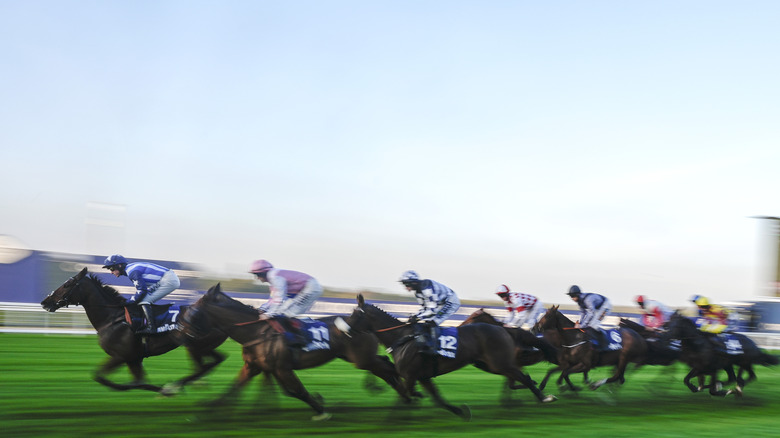
Visiting Ascot during race week offers a glimpse of life in the quiet Berkshire town that doesn't reflect the day-to-day reality throughout the rest of the year. Nevertheless, this is one of the biggest events in the British racing calendar for good reason. More than 290,000 people flood into the town, including workaday punters, international celebrities, famous racehorse owners, retired jockeys offering punditry and (who can blame them?) reliving the glory years, and members of the Royal Family. Irish jockeys and horses may have a history of successful runs at Royal Ascot, but this remains a quintessentially British event.
Multiple races take place on each day throughout the week, although the Gold Cup, founded in 1807, is arguably the most prestigious event. It's held on the third race day, commonly known as Ladies' Day. Tens of millions of pounds' worth of bets are placed on the races at Royal Ascot each year, so if you like a punt, be prepared to spice things up with a few wagers. Such excess is in keeping with an event which is used to seeing more than 700 arriving helicopters each year and top-end chefs curating menus for VIP areas. Official statistics show that racegoers consume on average 65,000 bottles of champagne, 100,000 bottles of wine, 3,000 fresh lobsters, and over 6,000 pounds of beef sirloin across the week.
People dress in their Sunday best, too, which is both tradition and a requirement for entry. Each ticket category provides access to an enclosure, and each enclosure has its own dress code, from garden-party summer dresswear in the Village Enclosure to top hats and three-piece suits in the invite-only Royal Enclosure. In any case, you'll want to scrub up; fashion commentary is inseparable from Royal Ascot week.
Dining on Ascot's Michelin-rated fare
British food gets a bad rap. It's a cuisine that was long considered Europe's worst, but this is a reductive and outdated view. Michelin-recognised restaurants, several with two or three stars, are found in London and in other culinary hubs throughout the country. While the old cliches of salty "meat and two veg" or British food as flavorless, textureless mush don't really hold up to scrutiny — the national love of sausage rolls notwithstanding.
If you want to see how British cuisine has progressed in recent years, then you could do worse than visiting Ascot's most critically acclaimed restaurants. With its seductive, color-blocked palate of forest green and peach pink, Bluebells looks the part of a fine dining restaurant, and it cooks food to match. The Michelin-recommended a la carte menu — with lunch, dinner, and Sunday variations — is modern European but uses distinctly British ingredients, resulting in dishes like spiced cod cheeks with broccoli couscous, rabbit with celeriac chips and hispi cabbage, and rhubarb and honey panacotta. With 4.8 stars across more than 650 Google reviews, Bluebells' chefs are clearly on to a winning formula.
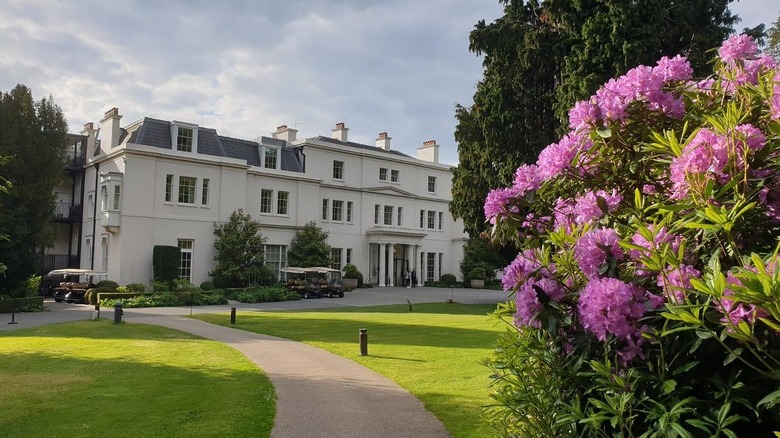
Woven by Adam Smith is the town's sole Michelin-starred restaurant. It's focused on celebrating the best of British cuisine — and not the kind of greasy "fry up" Rick Steves recommends you order when visiting the country. Woven is an exercise in elegance and storytelling. Eponymous head chef Adam Smith serves a multi-course degustation in an 18th-century Georgian manor — now the Coworth Park hotel — all surrounded by manicured lawns. The menu features the likes of Cornish tuna, Dorset crab, eels from Devon, and a creative interpretation of a cheese and onion sandwich. A plant-based tasting menu is also available. From Ascot, the immense Windsor Castle is just 15 minutes away, while North Wessex Downs, a national landscape with idyllic villages and rolling hills, can be reached in under an hour by car.