
Between Valencia And Alicante Is A Lesser-Known Escape With Seaside Beauty, Sandy Beaches, And Lively Dining
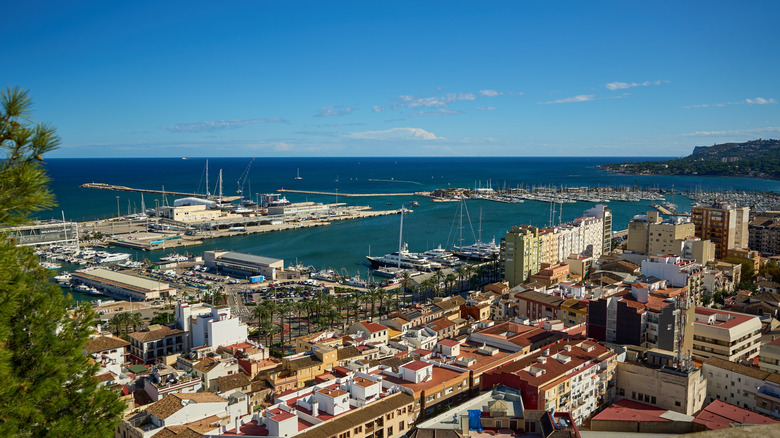
For some, a trip to Spain is incomplete without the luxurious beach clubs and unending nightlife of Ibiza. However, to reach this hedonistic paradise, visitors might transit through one of the Costa Blanca's most intriguing slow food destinations without giving it a second glance. Stretching over 12 miles along golden-sand beaches and rock-lined coves, Dénia offers sun, sea, and adventure, served alongside seafood, paella-adjacent rice dishes, and fresh produce.
Home to around 50,000 people, this port city is a major point of departure for exploring Ibiza and the rest of the Balearic Islands, almost 100 miles across the Mediterranean Sea's azure waters. However, you'll feel worlds away from Ibiza's glamour while climbing Dénia Castle's imposing walls, sniffing out the best tapas along Calle Loreto, or exploring the sea caves by kayak. You'll find plenty of beach resorts — some jarring mega constructions and others seaside motels that look like something out of a Wes Anderson film. But many visitors prefer the bohemian lofts and renovated historic homes on Airbnb, complete with terraces overlooking the old city's cobbled alleys.
Situated 57 miles from Alicante and 69 miles from Valencia, Dénia is well-connected to the rest of the region by public transportation. Those flying into the nearest major airport, Alicante-Elche Miguel Hernández Airport (ALC), can take in coastal views from the train on the way to Dénia, while the bus company Alsa offers quick journeys from both cities.
Discover Dénia's markets, restaurants, and culinary festivals
While Basque Country's San Sebastián may be a food and wine paradise, Dénia is nothing to scoff at. In addition to its many quality restaurants, Dénia impresses with a culinary legacy that goes back generations. Designated a UNESCO Creative City of Gastronomy, Dénia is the place to go for hyper-local, Mediterranean cuisine, featuring seafood and seasonal produce. For instance, diners can enjoy the local specialty, flavor-packed red prawn straight from the boat, or dig into cocas, a pizza-like bread prepared with sardines and tuna.
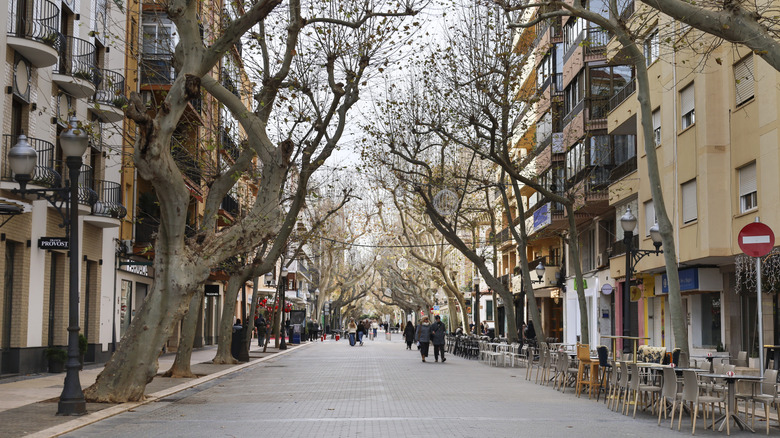
First-timers will want to dine streetside on Calle Loreto, which is situated steps from Dénia Castle. Here, you can enjoy a glass of wine and some tapas, like grilled octopus, creamy croquetas, and fried fish. Later, head to tree-lined Calle Marqués de Campo, a walkable street in the old city where you can try another Dénia specialty, arroz a banda. This fragrant dish infuses rice with rich broth, rockfish, and other seafood. For even more discerning diners, Quique Dacosta holds three Michelin stars, the guide's highest distinction, and serves food that can only be described as edible art.
To see the ingredients in their raw form, head to the Municipal Market, open Monday to Saturday from 7:30 a.m. to 3 p.m. Surrounded by 25 stalls, visitors can marvel at golden Muscat grapes, whole dried octopus, and juicy oranges. However, true foodies can't miss the D*na Festival Dénia. This event includes an almost half-mile-long dining table overlooking the sea where guests can try creations from local chefs.
Beaches, coves, and beyond in Dénia
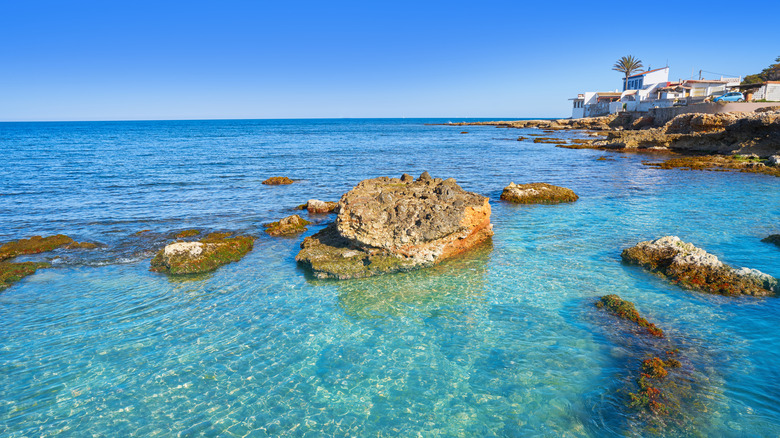
Unlike Marbella, a prestigious Spanish resort city with the glamour of the Amalfi Coast, Dénia isn't all soft-sand beaches and day beds. The coast features two distinct landscapes: rocky coves and sandy stretches of beach. From Calle Loreto and Dénia Castle, an accessible sandy beach is Les Marines. Visitors call it a "fantastic family beach" thanks to the lack of crowds and shallow water. However, if you want to get away from the city, Els Molins Beach offers soft sand, rental sunbeds, and a calm atmosphere.
For rocky coves and ultra-clear snorkeling water, head to Las Rotas, an area known for its jagged coastline. Featuring diving boards and metal rungs leading from the rocks into the sea, Trampolí Beach also grants access to the Cabo de San Antonio Marine Reserve. This underwater paradise boasts coral and vast meadows of sea plants for divers to admire. Further along the coast, visitors will encounter Cova Tallada. This cathedral-like cave can be reached by hiking a rough, slippery path or via a kayaking tour.
Some tourists complain about the clumps of seaweed washed up on the beaches and rocks. However, this "seaweed" is actually Posidonia oceanica, a seagrass of incredible ecological importance to the area that grows in the marine reserve. That being said, it washes up in large quantities during the summer and fall, but the city removes the debris from certain beaches during high season. For another Costa Blanca escape, visit Villajoyosa, a colorful coastal town ranked as the best hidden gem in Europe.